

Ulnar Neuropathy Treatment in Vancouver: What You Need to Know First
Ulnar neuropathy refers to compression or irritation of the ulnar nerve, and it commonly presents as cubital tunnel syndrome at the elbow. It causes pain, numbness, and weakness in the hand – symptoms that can interfere with work, sleep, and daily activities. Left untreated, ulnar neuropathy can lead to permanent nerve damage, which is why timely intervention is crucial.
If you’re a Vancouver patient – whether you work at a desk, commute across the city, cycle, do trades work, or are recovering from an ICBC injury – effective, non-surgical options are available. Many cases respond well to early assessment, ergonomic adjustments, and targeted rehabilitation. However, severe or progressive symptoms always warrant medical evaluation.
At Northwest Rehab Group (NRG), located at 2830 Main St in Mount Pleasant, we offer customized treatment plans for ulnar neuropathy and cubital tunnel syndrome treatment, combining manual therapy, physiotherapy, acupuncture, and more. Ready to start? Book an Appointment or call +1 604-875-9779.
Insight into Ulnar Neuropathy and Cubital Tunnel Syndrome
Ulnar neuropathy is nerve compression or irritation along the ulnar nerve’s path – most often within the cubital tunnel, a narrow passageway at the elbow, but sometimes at the wrist or neck. Cubital tunnel syndrome specifically compresses the ulnar nerve at the elbow through a structure affecting nerve compression at that site. Symptoms of ulnar neuropathy can include tingling in fingers, difficulty gripping objects, typing pain, or clumsiness with fine motor skills.
Ulnar neuropathy can result from prolonged elbow flexion, and chronic pain is a potential long-term effect if symptoms go unmanaged. Early recognition matters because untreated ulnar neuropathy may eventually cause muscle weakness and changes in joint and muscle function that are difficult to reverse.
Causes and Risk Factors for Ulnar Neuropathy
Multiple everyday habits contribute to nerve compression. Common causes include:
- Repetitive movements causing strain at the elbow (cycling, weightlifting, tool use)
- Prolonged pressure from leaning on elbows at a desk or car console
- Prior elbow fractures, dislocations, or bone spurs
- Anatomical variations in the cubital tunnel
- Systemic factors like arthritis or diabetes
Repetitive elbow movements can worsen ulnar neuropathy symptoms, and improper ergonomics at work can contribute significantly. Direct nerve pressure from leaning on hard surfaces can lead to nerve damage over time. Vancouver-specific risk factors include long hours at tech desks downtown, students at UBC or SFU studying with elbows bent for extended periods, and film-industry or trades workers using power tools. Understanding the root cause helps tailor cubital tunnel syndrome treatment and prevention, including ergonomic adjustments.
Cubital Tunnel Syndrome Symptoms and When to Seek Help
Typical symptoms of cubital tunnel syndrome include persistent numbness and tingling in the ring and pinky fingers, elbow pain, forearm discomfort, and hand weakness. Symptoms often worsen at night or during prolonged elbow bending – holding a phone, reading, or sleeping with arms bent.
Muscle weakness can occur in severe cases of ulnar neuropathy, and red-flag signs include visible muscle wasting, constant numbness, or symptoms after significant trauma. These warrant prompt medical assessment, possibly including nerve conduction studies. Cubital tunnel syndrome can improve with lifestyle changes and early care, so even mild but recurring symptoms are worth having assessed.
How Ulnar Neuropathy Is Assessed at Northwest Rehab Group
Your first visit at NRG includes a thorough history covering onset, work habits, hobbies, sleep, and any ICBC or work injuries. The physical exam evaluates posture, shoulder-elbow-wrist range of motion, strength, and nerve tension tests along the cubital tunnel and other entrapment sites.
We screen for related conditions – cervical spine involvement, carpal tunnel syndrome, lateral epicondylitis (tennis elbow), and medial epicondylitis (golfer’s elbow). Specialists involved in ulnar neuropathy treatment may include neurologists, physiatrists, and orthopedic surgeons, and we coordinate referrals as appropriate.
Customized Treatment Plans for Ulnar Neuropathy
NRG develops a personalized treatment plan rather than following a one-size-fits-all protocol. Your personalized treatment strategy accounts for severity, duration, work demands, sport goals, and preferences. Conservative treatments for ulnar neuropathy include physiotherapy, splinting, and ergonomic assessments – and physiotherapy is central to both ulnar neuropathy treatment and cubital tunnel treatment.
Modifying activities that stress the ulnar nerve is beneficial, and multidisciplinary care may provide a coordinated treatment approach. Treatment frequency varies; many patients start with more frequent visits emphasizing symptom control, then transition to self-management as function improves.
Manual Therapy and Hands-On Care
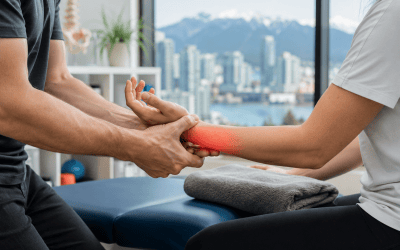
Manual therapy at NRG is a broad category: joint mobilizations, soft tissue techniques, stretching, and gentle nerve-related work. Hands on therapy around the neck, shoulder, elbow, and forearm can help mobilize soft tissues, reduce mechanical stress, and improve mobility along the ulnar nerve path. We work on forearm muscles, triceps, and upper back posture. Manual therapy is always adapted to comfort and combined with education for more lasting change – it’s one tool among many in comprehensive treatment approaches.
Exercise, Nerve Glides, and Strengthening
Targeted exercise is a cornerstone of managing ulnar neuropathy. Ulnar nerve glides are gentle, guided movements promoting nerve mobility without overstress. A balanced exercise regimen also includes shoulder stabilizer work, postural strengthening, and forearm and hand strengthening. Strengthening and stretching exercises can enhance nerve function, and exercises can strengthen muscles around the ulnar nerve to preserve nerve function over time.
Some mild cases may improve without extensive treatment, but correctly prescribed exercise – progressed gradually to prevent symptom aggravation – reduces symptom recurrence and supports complete recovery.
Ergonomic Adjustments and Lifestyle Strategies
Ergonomic adjustments can help manage both cubital tunnel syndrome symptoms and ulnar neuropathy symptoms. Practical changes for Vancouver desk workers include:
- Position keyboard and mouse to avoid prolonged flexion and avoid direct nerve pressure at the elbow
- Use a headset instead of cradling your phone
- Wear protective padding on armrests to prevent prolonged pressure on the nerve
- Regular breaks during prolonged elbow flexion are recommended
For drivers and commuters, adjust your seat and steering wheel to reduce elbow bending, and avoid leaning on the console for extended periods. For sports, modify grip width in weight training and temporarily adjust swimming or climbing routines. At night, a towel wrap or soft brace can limit extreme elbow flexion during sleep – a strategy that meta-analytic data links to symptom improvement in approximately 89% of patients. Proper ergonomics at workstations can help manage ulnar neuropathy long-term and prevent symptom aggravation.
Innovative and Complementary Treatments at NRG
Some cubital tunnel syndrome individuals benefit from combining conventional physiotherapy and lifestyle adjustments with complementary modalities. Acupuncture or dry needling may help with pain relief and muscle tension along the ulnar nerve path. Naturopathic doctors at NRG can address contributing health factors like general inflammation, sleep, and stress. Corticosteroid injections may help reduce swelling around the ulnar nerve in certain cases, and nonsteroidal anti-inflammatory drugs can be used to alleviate inflammation as part of a broader treatment regimen. These innovative treatments are integrated into an overall rehabilitation plan – not offered as stand-alone quick fixes.
When Is Surgery Considered for Cubital Tunnel Syndrome?
Most patients begin with conservative care, but surgery may be needed if conservative treatments fail after several months, or if there is progressive weakness, muscle wasting, or severe findings on nerve conduction testing. A surgical procedure aims at alleviating nerve compression – decompressing the ulnar nerve or repositioning it to reduce ongoing irritation. Surgical options for ulnar neuropathy may include nerve decompression or transposition, and long-term outcomes between approaches tend to converge.
At NRG, we do not perform surgery but can coordinate referrals to local Vancouver surgeons. We also provide specialized treatment for prehabilitation and post-operative rehab to help restore muscle function and elbow mobility after a surgical procedure.
Recovery Timeline: What Vancouver Patients Can Expect
Recovery from ulnar neuropathy treatment depends on severity, duration, and adherence:
Severity | Typical Timeline |
|---|---|
Mild (temporary nerve pressure, recent onset) | Significant improvement may occur within weeks with early intervention |
Moderate (persistent numbness, recurring symptoms) | Recovery can take weeks to several months |
Severe (muscle weakness, atrophy, failed conservative care) | Full recovery, including strength improvement, may take several months; severe cases may require several months for optimal outcomes |
Nerve tissue heals more slowly than muscles or joints, so expectations should be realistic. Regular follow-ups can help monitor recovery progress, and we use symptom charts, strength tests, and functional goals to adjust treatment plans. Open communication about flare-ups and life demands helps us aid recovery effectively.
Who at Northwest Rehab Group Can Help?
NRG is a multidisciplinary team in Mount Pleasant focused on evidence-informed musculoskeletal and neurological rehabilitation. For managing ulnar neuropathy challenges, relevant clinicians include chiropractors who emphasize manual therapy and exercise, physiotherapists for ulnar neuropathy physiotherapy and rehab programming, registered massage therapists, acupuncturists, and naturopathic doctors.
We commonly see ulnar neuropathy alongside neck and shoulder pain, tennis elbow, post-fracture stiffness, and ICBC-related injuries. Collaboration between clinicians ensures cohesive care, and we work alongside family doctors, surgeons, and other specialists in Vancouver for shared-care cases.
FAQs About Ulnar Neuropathy and Cubital Tunnel Syndrome
Can ulnar neuropathy heal naturally? Mild, early cases sometimes improve with rest, ergonomic adjustments, and guided exercises. However, ongoing or worsening symptoms should be assessed by a qualified provider to prevent permanent nerve damage.
What lifestyle changes can aid ulnar neuropathy? Avoiding prolonged flexion, not leaning on elbows, taking regular movement breaks, and following prescribed home exercises all aid ulnar neuropathy recovery. Wearing protective padding at your desk can also help avoid direct nerve pressure.
How do I know if my symptoms are from cubital tunnel syndrome or something else? The typical distribution – tingling in the ring and pinky fingers with elbow-related triggers – suggests cubital tunnel syndrome. A professional assessment helps rule out cervical spine issues, carpal tunnel syndrome, or other managing nerve-related conditions.
Is it safe to keep exercising with ulnar nerve symptoms? Movement is usually encouraged, but some activities need modification to prevent symptom aggravation. Your clinician can help you maintain a balanced exercise regimen while avoiding prolonged flexion or repetitive movements causing strain.
Do I need a doctor’s referral to see you? In BC, no referral is generally needed for chiropractic, physical therapy, or massage. Some extended health plans may require one – check with your insurer.
Start Your Ulnar Neuropathy Treatment in Vancouver
Treating ulnar neuropathy and managing ulnar neuropathy challenges are achievable goals with early, evidence-based care. Whether you’re dealing with temporary nerve pressure from a new desk setup or managing nerve related conditions after an injury, the right treatment approach can help preserve nerve function, alleviate symptoms, and reduce chronic pain risk.
Northwest Rehab Group offers comprehensive, customized treatment plans to achieve optimal outcomes – combining manual therapy, exercise-based rehabilitation, ergonomic adjustments, and complementary options tailored to Vancouver lifestyles. Your first step is a thorough assessment, after which we design an individualized plan to provide specialized treatment based on your goals.
Book an Appointment online or call +1 604-875-9779 to schedule your consultation at 2830 Main St, Vancouver, BC. Getting back to work, sport, and daily life with greater comfort starts with that first visit.


0 Comments