


Pain on the outside of the elbow or upper forearm can interfere with lifting, gripping, typing, training and everyday tasks. One possible cause is radial tunnel syndrome, a condition associated with irritation or compression of the radial nerve as it passes through tissues near the upper forearm.
At Northwest Rehab Group in Mount Pleasant, care starts with an individualized assessment. Because radial tunnel syndrome can resemble other common elbow conditions, including tennis elbow, the goal is to identify the most likely source of your pain and build a plan around your work, sport and daily activities.
What Is Radial Tunnel Syndrome?
Radial tunnel syndrome is commonly described as compression or irritation involving the posterior interosseous branch of the radial nerve as it travels through the radial tunnel. This passage begins around the lateral arm and continues into the upper forearm.
Unlike some forms of nerve compression, radial tunnel syndrome often presents mainly as pain rather than numbness or clear loss of muscle power. The discomfort is frequently felt a few centimetres below the lateral epicondyle and may increase when the radial nerve is loaded by certain movements.
Symptoms and Causes
Symptoms of Radial Tunnel Syndrome
Common features may include a deep ache in the upper forearm, tenderness over the nerve pathway, discomfort with gripping or lifting, and pain during repeated rotation of the arm. Some people notice irritation when using tools, carrying bags, training at the gym or working at a computer.
Pain may also be reproduced by resisted supination, certain finger movements or positions that combine arm extension with wrist movement. The exact pattern varies, which is why an assessment is useful when symptoms persist.
Common Contributing Factors
Radial tunnel syndrome may develop when repeated movement or sustained loading increases irritation around the radial nerve. Risk factors can include repetitive arm activity, forceful gripping, frequent forearm rotation, racquet or throwing sports, strength training and physically demanding work.
There is not always one clear cause. A previous injury, changes in training volume or repeated occupational loading may contribute, while some people develop tunnel syndrome without an obvious trigger.
Comparing Similar Lateral Elbow Pain
These conditions can feel similar because both may produce pain around the outside of the elbow. Tennis elbow, or lateral epicondylitis, usually causes tenderness closer to the tendon attachment at the lateral epicondyle, while radial tunnel tenderness is often located farther down the forearm.
The conditions may also occur together. This overlap is one reason the literature has referred to radial tunnel syndrome as a diagnostic and treatment dilemma. A clinician may also consider medial epicondylitis, cervical nerve irritation, elbow osteoarthritis, elbow dislocation and other causes of elbow pain.
Other nerve problems have different patterns. Cubital tunnel syndrome involves the ulnar nerve, while carpal tunnel syndrome involves the median nerve at the wrist. These distinctions matter because the most appropriate treatment approach depends on the underlying problem.
How Is Radial Tunnel Syndrome Diagnosed?
Diagnosis is mainly clinical. Your clinician will ask where the pain is located, what makes it worse, how long it has been present and whether there has been a change in work, sport or exercise. A physical examination may assess tenderness, strength, movement, provocative tests and elbow and wrist flexibility.
Research shows that there is no single universally accepted test for radial tunnel syndrome. Electrodiagnostic studies are often normal, and imaging may also be unremarkable. This is why diagnosis often relies on the overall clinical picture and on considering other possible sources of pain.
MRI or nerve testing may be considered when the presentation is unusual, there is meaningful weakness, or another cause of nerve compression needs to be ruled out. Referral for further medical assessment may also be appropriate when findings do not fit the expected pattern.
Physiotherapy for Radial Tunnel Syndrome
Physiotherapy can be part of conservative treatment for radial tunnel syndrome. At our physiotherapy clinic, the plan is based on the individual rather than a fixed protocol, with the aim of reducing aggravating load while maintaining useful movement and gradually restoring capacity.
Physiotherapy may include education, activity modification, exercises, graded strengthening and strategies for work or sport. Depending on assessment findings, physiotherapy may also include hands-on techniques or other modalities as part of a broader treatment plan.
Exercise and Nerve Gliding
Exercises may target forearm strength, wrist control, shoulder function and tolerance to gripping or rotation. Nerve gliding exercises may be introduced when appropriate to encourage comfortable movement of the radial nerve relative to surrounding tissues.
Exercise should be progressed according to response rather than forced through significant pain. A physiotherapist may modify the range, resistance or frequency of exercises and gradually increase loading as recovery develops.
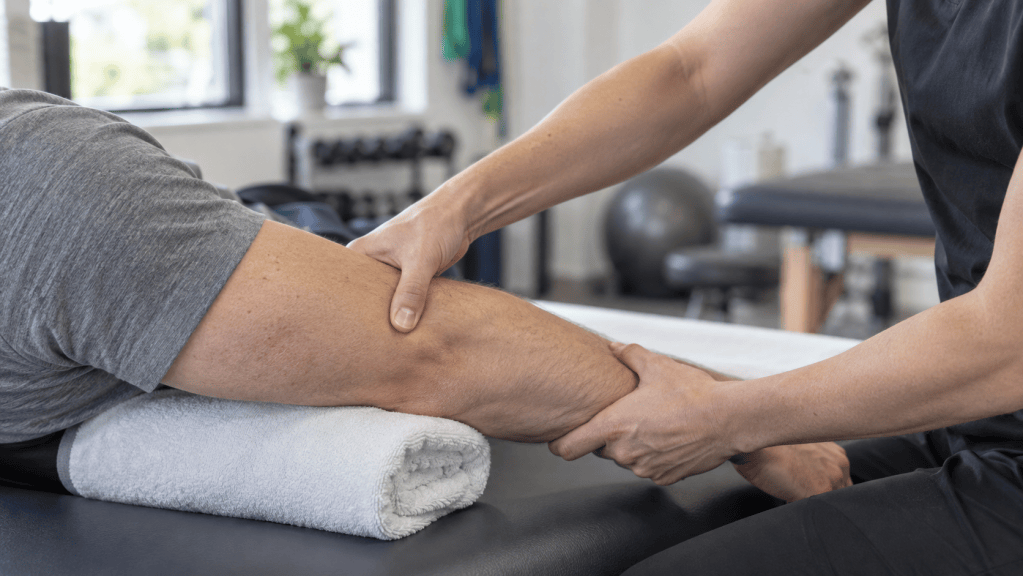
Hands-On Care
Manual therapy may be used when clinically appropriate and can include soft-tissue techniques, joint mobilizations, stretching or other hands-on methods. It is only one possible part of care and is not required for every person with radial tunnel syndrome.
At NRG, active strategies such as exercise, education and self-management remain important. The aim is to help the affected arm tolerate the demands that matter to you rather than relying only on passive care.
Activity Modification and Ergonomics
Temporarily changing aggravating activities can reduce repeated stress on sensitive tissues while you build tolerance. This may involve adjusting lifting volume, grip position, tool use, training frequency or the amount of repeated forearm rotation.
Ergonomic adjustments may be useful when symptoms are linked to computer work or repetitive occupational tasks. Small changes to workstation setup, mouse use or task rotation can be incorporated without necessarily stopping activity completely.
Other Treatment Options
Some people may be advised to use a removable wrist splint for a limited period as part of treatment. Medication or an injection may also be discussed with an appropriate medical professional, depending on the individual presentation and other health considerations.
Evidence for conservative radial tunnel syndrome care remains limited, and there is no single option that works for everyone. Claims about innovative treatments should therefore be viewed cautiously. Treatment plans should reflect the assessment, current evidence and response over time.
Surgery is generally not considered first-line care. If tunnel syndrome remains persistent despite an appropriate period of non-surgical management, a physician or surgeon may assess whether surgical decompression is reasonable.
How Long Does Recovery Take?
Recovery time varies. Factors can include how long the condition has been present, the irritability of the radial nerve, work or training demands, associated conditions and how easily aggravating loads can be modified.
There is no reliable single recovery duration for radial tunnel syndrome. Rather than promising that someone will be completely free from pain within a set number of visits, progress is reviewed using function, strength, activity tolerance and symptom behaviour.
For a successful recovery, physiotherapy may be adjusted as capacity improves. Some people progress relatively quickly, while longer-standing tunnel syndrome can require a more gradual return to full activity.
Reducing the Chance of Recurrence
Once pain is settling, exercises can be progressed to reflect the tasks you need to perform. That may include stronger gripping, repeated rotation, gym-based loading, racquet sports or work-specific movements.
The goal is not simply short-term symptom relief. Building capacity and having a practical plan for future load can make it easier to manage the demands that previously irritated the radial nerve.
When Should You Seek Assessment?
Consider assessment when symptoms are persistent, repeatedly return, or interfere with work, exercise or normal activities. A clinician can assess whether radial tunnel syndrome is a reasonable explanation or whether another condition is more likely.
Prompt medical assessment is appropriate for major trauma, severe swelling, significant or progressive weakness, unexplained loss of function, or rapidly changing neurological symptoms.
Frequently Asked Questions
Can physiotherapy help radial tunnel syndrome?
Physiotherapy may be included in conservative management. It can involve education, load modification, strengthening, mobility work and other clinically appropriate methods. The plan should be individualized because radial tunnel syndrome can overlap with other conditions.
Can radial tunnel syndrome cause numbness?
Numbness is not usually the main feature of radial tunnel syndrome. The condition more often presents with aching or tenderness. If you have clear sensory change or weakness, further assessment may be needed to evaluate the radial nerve or another neurological cause.
What movements can irritate the radial tunnel?
Repeated gripping, forearm rotation and some combinations of elbow and wrist movement may aggravate the radial tunnel. Rather than avoiding movement indefinitely, care usually focuses on identifying relevant triggers and gradually rebuilding tolerance.
What is the recovery timeline for radial tunnel syndrome?
There is no fixed timeline. Recovery varies according to severity, duration, workload and individual response. Your clinician can monitor progress and modify treatment when needed.
Book an Assessment at Northwest Rehab Group
Northwest Rehab Group is a multidisciplinary clinic in Mount Pleasant, Vancouver. At our Mount Pleasant clinic, we assess persistent forearm or elbow symptoms that may be affecting work, sport or daily life and discuss appropriate next steps.
Our clinic is located at 2830 Main Street in Vancouver. Book an appointment to receive an individualized assessment and treatment plan based on your presentation, goals and response to care.



0 Comments