
Thoracic outlet syndrome treatment in Vancouver at Northwest Rehab Group offers specialized, evidence-based care for patients experiencing nerve or blood vessel compression in the thoracic outlet area. This condition can cause symptoms such as shoulder and neck pain, numbness, arm weakness, and swelling, affecting daily activities and quality of life. At Northwest Rehab Group, located in Mount Pleasant, Vancouver, our multidisciplinary team provides thorough assessment and personalized treatment plans tailored to each patient’s unique needs. Our approach combines physiotherapy, chiropractic manual therapy, massage, acupuncture, and lifestyle guidance to support recovery and improve function. Whether your symptoms stem from posture, repetitive activities, trauma, or anatomical factors, we are here to help you regain comfort and mobility with compassionate, patient-focused care.
Thoracic Outlet Syndrome: What Vancouver Patients Need to Know First
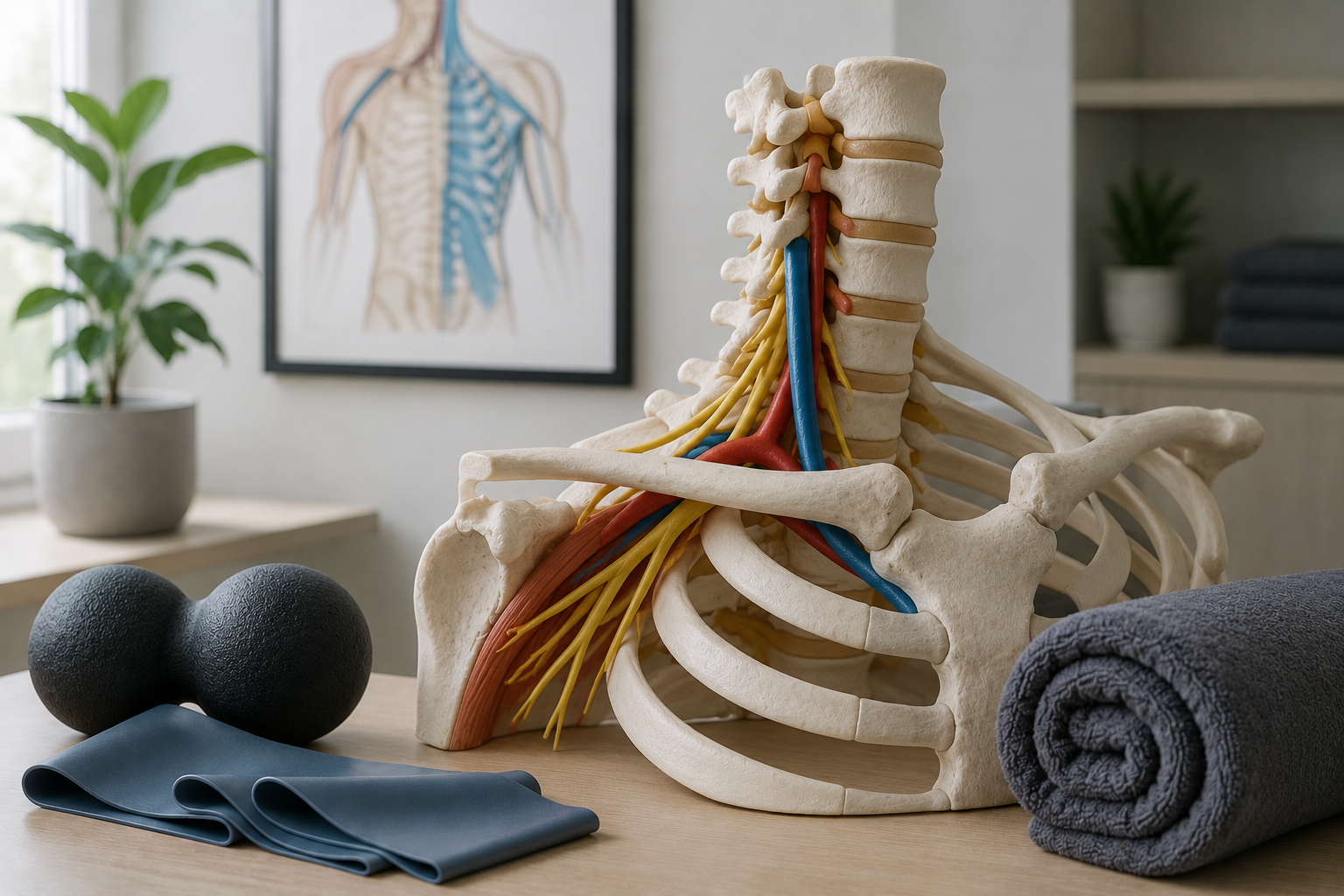
Thoracic outlet syndrome (TOS) arises when nerves or blood vessels are compressed within the thoracic outlet — the area bordered by the neck, collarbone, and first rib.The brachial plexus nerves, subclavian artery, or subclavian vein can be affected, causing pain in shoulders and neck, numbness, arm weakness, and sometimes swelling. Neurogenic TOS accounts for 95% of all cases, making nerve-related symptoms far more common than vascular emergencies.
The good news: early and effective treatment helps many patients improve substantially without surgery. In Vancouver, specialized clinics are available for treating thoracic outlet syndrome, including Northwest Rehab Group, where our team provides thorough evaluation and individualized care.
Common Signs and Symptoms of Thoracic Outlet Syndrome
Numbness in fingers – especially the ring and little fingers – is a common symptom of TOS. Weakness of grip, heaviness in the arm, and tingling along the inner forearm often worsen with arm elevation or overhead activity, such as painting, climbing at a local gym, or even cycling posture on your commute.
Coldness or color change in the hand indicates vascular TOS and requires urgent medical evaluation. Sudden arm swelling, visible veins, or a pale or bluish hand are red flags.
Symptoms can mimic conditions like carpal tunnel syndrome, cervical radiculopathy, or rotator cuff issues, which is why a careful physical examination matters. If you notice persistent weakness, worsening numbness, or night-time symptoms, see a qualified healthcare provider promptly.
Causes and Risk Factors for Thoracic Outlet Syndrome
Understanding the causes and risk factors helps guide targeted treatment. The main mechanical contributors include tight scalene muscles, a stiff first rib, shortened pectoralis minor, and poor shoulder girdle control that narrows the outlet.
Common risk factors include:
- Poor posture, which can exacerbate thoracic outlet syndrome
- Repetitive overhead activities that increase TOS risk, including sports that involve lifting or sustained arm elevation
- Trauma from motor vehicle accidents (including ICBC-related collisions)
- Prolonged desk work with rounded shoulders
Congenital anatomical variations – such as a cervical rib – cannot be prevented but may be identified through imaging. Other anatomical defects may contribute to structural narrowing.
Modifiable factors (posture, ergonomics, strength, stress) versus non-modifiable factors (congenital anatomy, past trauma) help shape your personalized treatment plan at NRG.
How Northwest Rehab Group Assesses Thoracic Outlet Syndrome
Your first visit begins with a detailed medical history covering symptom onset, aggravating positions, work demands, sports, ICBC or WCB background, and past injuries. Assessment targets the exact location of nerve or blood vessel compression through hands-on testing of neck mobility, scapular mechanics, rib motion, and neurovascular provocation tests.
Diagnosis of thoracic outlet syndrome can involve tests such as imaging and nerve testing to confirm symptoms when needed. Diagnostic injections may help determine the source of symptoms in complex cases. If vascular red flags appear, NRG clinicians coordinate referral to appropriate specialists or imaging. The result is a clear, individualized explanation of findings and a treatment plan tailored to your situation.
Evidence-Informed Non-Surgical Treatment Options at NRG
Thoracic outlet syndrome treatment often begins with a multidisciplinary treatment strategy involving physiotherapists and experienced healthcare professionals. Physiotherapy is the primary treatment for thoracic outlet syndrome, and most patients improve in 3–6 physiotherapy sessions when combined with home exercises and activity changes.
NRG’s approach uses treatment modalities aimed at reducing compression and restoring function. Comprehensive treatment plans may include complementary therapies alongside physiotherapy. Our client-focused treatment philosophy means every plan is adjusted based on your response over time.

Tailored Physiotherapy and Chiropractic Programs for Thoracic Outlet Syndrome
A tailored physiotherapy program at NRG includes specific mobility work, first rib mobilization, scapular stabilization, and progressive strengthening for the shoulder girdle. Physiotherapy forms the foundation of care, while physiotherapy may also include posture exercises and ergonomic adjustments to prevent symptom exacerbation.
Manual therapy techniques – including joint mobilizations, soft tissue work on scalene and pectoralis minor muscles, and nerve gliding – help alleviate symptoms and enhance nerve function. Incorporating regular posture exercises into your routine helps minimize nerve compression and supports long-term recovery. Postural education and enhancing muscle balance are key components, especially for activities common in Vancouver like swimming, rowing, or cycling.
Treating TOS combines expertise from both physiotherapy and chiropractic disciplines, and this collaborative approach at NRG helps patients achieve good outcomes.
Massage Therapy and Other Complementary Therapeutic Options
Registered massage therapy at NRG addresses muscle tension in the neck, chest, and shoulder that may restrict blood flow and worsen compression. Sessions focus on the scalene muscles, upper trapezius, pectoralis minor, and surrounding fascia to enhance client comfort and improve blood flow through the thoracic outlet.
Other complementary therapeutic options include acupuncture for pain modulation and exercise-based rehabilitation. Supportive therapies tailored to your needs – such as breathing retraining and relaxation work – can support TOS treatment alongside your physiotherapy program. Medications prescribed for TOS may include anti-inflammatories and muscle relaxants when recommended by your healthcare provider.
These supportive therapies are integrated into your broader plan, not used as standalone replacements for medical evaluation.
Ergonomics, Posture, and Lifestyle Changes That Support TOS Recovery
Lifestyle changes can help manage thoracic outlet syndrome symptoms and support the treatment plan. Practical steps include:
- Adjusting workspace ergonomics to reduce strain on shoulders and neck
- Taking micro-breaks every 30–60 minutes with gentle neck and shoulder mobility
- Modifying everyday activities like bike fit for cycling commutes or pacing climbing sessions
- Maintaining a healthy weight, which supports overall treatment effectiveness
- Engaging in low-impact exercise like swimming, which strengthens the upper body
- Practicing stress reduction techniques to help manage TOS symptoms
Regular posture exercises and stress reduction techniques are effective preventive measures that prevent symptom exacerbation over time. These educational resources empower you to take an active role in your recovery.
When Thoracic Outlet Syndrome Needs Further Medical or Surgical Evaluation
Untreated TOS can lead to chronic pain, and permanent nerve damage may occur if symptoms are ignored. Persistent limitations in limb movement can result from untreated TOS. Severe cases risk developing blood clots, and blood clots can lead to pulmonary embolism if untreated – making appropriate management essential.
Surgery may be considered if conservative treatments fail for thoracic outlet syndrome. Vascular treatments may involve anticoagulation or clot removal for venous TOS. NRG clinicians communicate with family doctors and specialists, providing detailed notes to streamline referrals and avoid further complications. Needing specialist input is part of stepwise, appropriate care – not a failure of conservative treatment.
Pain management strategies and serious complications are always discussed openly so you understand your options.
Thoracic Outlet Syndrome Treatment in Vancouver: Why Choose Northwest Rehab Group?
NRG’s client care practices means we offer comprehensive services under one roof: chiropractic, physiotherapy, massage therapy, acupuncture, and naturopathic support. Our client care practices centre on evidence-informed, collaborative care for Vancouver’s active community. We support recovery through a multidisciplinary approach, and our TOS combines expertise across disciplines.
We accept ICBC and WCB/WorkSafeBC cases, direct-bill many extended health plans, and are centrally located near transit and bike routes on Main Street. Our goal is effective treatment that gives you tools for self-management – not indefinite maintenance care. We provide therapeutic techniques, educational resources, and comprehensive services to help you receive exceptional treatment outcomes.
FAQs About Thoracic Outlet Syndrome Treatment at NRG
How long does it take for thoracic outlet syndrome to improve? Many mild-to-moderate cases notice change within a few weeks. Full recovery often takes several months depending on symptom duration and daily demands. Exceptional treatment outcomes depend on consistent participation in your program.
Is massage therapy enough to fix thoracic outlet syndrome? Massage therapy helps with symptom relief but is most effective combined with exercise, postural education, and strength work as part of comprehensive treatment plans.
Do I need imaging before starting treatment? Most people don’t need imaging before conservative care. Investigations that involve tests like X-ray or MRI are considered when red flags or atypical features are present.
Can I keep working or training while I have TOS? In many cases, yes – with modifications. Your team will identify tasks to temporarily adapt, including those that involve lifting or overhead work, and guide safe reintroduction.
Is thoracic outlet syndrome permanent? Many patients experience significant, lasting improvement with appropriate treatment and self-care. A personalized treatment plan helps support recovery and prevent flare-ups long-term.
Begin Your Recovery from Thoracic Outlet Syndrome in Vancouver
Managing thoracic outlet syndrome starts with accurate assessment and a clear plan. Northwest Rehab Group in Mount Pleasant provides individualized, evidence-based care using a multidisciplinary approach – physiotherapy forms the core, supported by manual therapy, massage therapy, acupuncture, and practical lifestyle guidance.
Book an Appointment online or call +1 604-875-9779 to schedule your assessment. No physician referral is typically required for physiotherapy, chiropractic, or massage therapy. Our team will work with you to reduce pain, improve function, and help you return to the activities you enjoy around Vancouver.


0 Comments