
A brachial plexus injury affects the nerve network running from the spinal cord through the neck, shoulder, arm, and hand. At Northwest Rehab Group, brachial plexus injury treatment in Vancouver focuses on non-surgical, evidence-informed care to manage symptoms, protect the affected arm, and improve arm function.
Many brachial plexus injuries follow traumatic accidents such as bike crashes, motor vehicle collisions, sports injuries, falls, or work incidents. You can self-refer for a 45-minute initial assessment at Northwest Rehab Group. Book through Northwest Rehab Group or contact our Vancouver clinic to start your recovery journey today.
Understanding Brachial Plexus Injuries
The brachial plexus carries movement and sensation signals through nerve pathways into the affected limb. A plexus injury can range from mild injuries like a “stinger” or “burner” to brachial plexus palsy, ruptures, avulsions, nerve compression, or partial or complete paralysis.
Symptoms of brachial plexus injuries can vary widely, but may include loss of movement or sensation, weakness, reduced grip, chronic pain, severe pain, or even paralysis in the affected limbs. Individuals with brachial plexus injuries may experience multiple symptoms simultaneously, depending on the severity of the injury.
Northwest Rehab Group provides conservative plexus injury treatment and collaborates with healthcare professionals, neurologists, physicians, and surgeons when severe injuries require more comprehensive medical review.
Common Causes and Risk Factors in Metro Vancouver
Risk factors common contributors include:
- Car collisions, cycling crashes, skiing or snowboarding falls, and workplace lifting.
- Contact sports such as rugby and hockey.
- Repetitive overhead work in construction, warehousing, and film rigging.
- Previous neck injuries, poor posture, and poor body positioning.
Brachial plexus injuries can result from trauma such as accidents or falls, leading to loss of movement or sensation, weakness, or even paralysis in the affected limbs. Birth injuries can also cause brachial plexus palsy or Erb’s palsy. Pediatric medical care is usually coordinated through BC Children’s Hospital or your family doctor; Northwest Rehab Group can support ongoing rehabilitation, parent coaching, and care for a child’s affected arm.
Signs and Symptoms to Watch For
Watch for burning, electric shock sensations, numbness, tingling, reduced grip, shoulder weakness, elbow weakness, or loss of movement. Red flags include complete paralysis, visible deformity, severe pain after trauma, or symptoms suggesting spinal cord injury. Repeated stingers should not be ignored.
Early and appropriate treatment starts with prompt and accurate assessment.
Initial Assessment at Northwest Rehab Group
Every brachial plexus injury treatment plan starts with a 45-minute initial assessment. Chiropractors and physiotherapists assess the injury mechanism, imaging or EMG if available, goals, posture, strength, reflexes, sensation, and arm function.
The clinician screens for severe injuries and may coordinate imaging, EMG, neurology, or surgical consultation. Care for brachial plexus injuries is divided between specialized medical centers for diagnosis and surgery and outpatient physiotherapy clinics for long-term recovery.
Clarifying Your Diagnosis and Treatment Options
Your clinician will explain whether the pattern suggests neuropraxia, axon damage, or more severe nerve damage. The treatment approach may include manual therapy, exercise, pain management, activity changes, occupational therapy, or referral.
Written home plans help patients follow the treatment regimen between visits. Treatment options for brachial plexus injuries include conservative physical rehabilitation and advanced microsurgical nerve reconstructions.
Effective Treatment Approaches for Brachial Plexus Injuries
Treating brachial plexus injuries requires effective treatment strategies that match the injury’s severity, the affected individual’s overall health, and the treatment approach. Physiotherapy is a crucial component in the treatment of brachial plexus injuries, focusing on maximizing recovery potential and promoting independence and mobility.
Conservative care is the primary approach for mild stretching injuries, or neuropraxia. Non-Surgical Management for brachial plexus injuries focuses on maintaining joint flexibility and preventing muscle atrophy. Physiotherapy and occupational therapy are used to re-educate muscles as nerves heal after brachial plexus injuries.
Manual Therapy and Joint Mobility
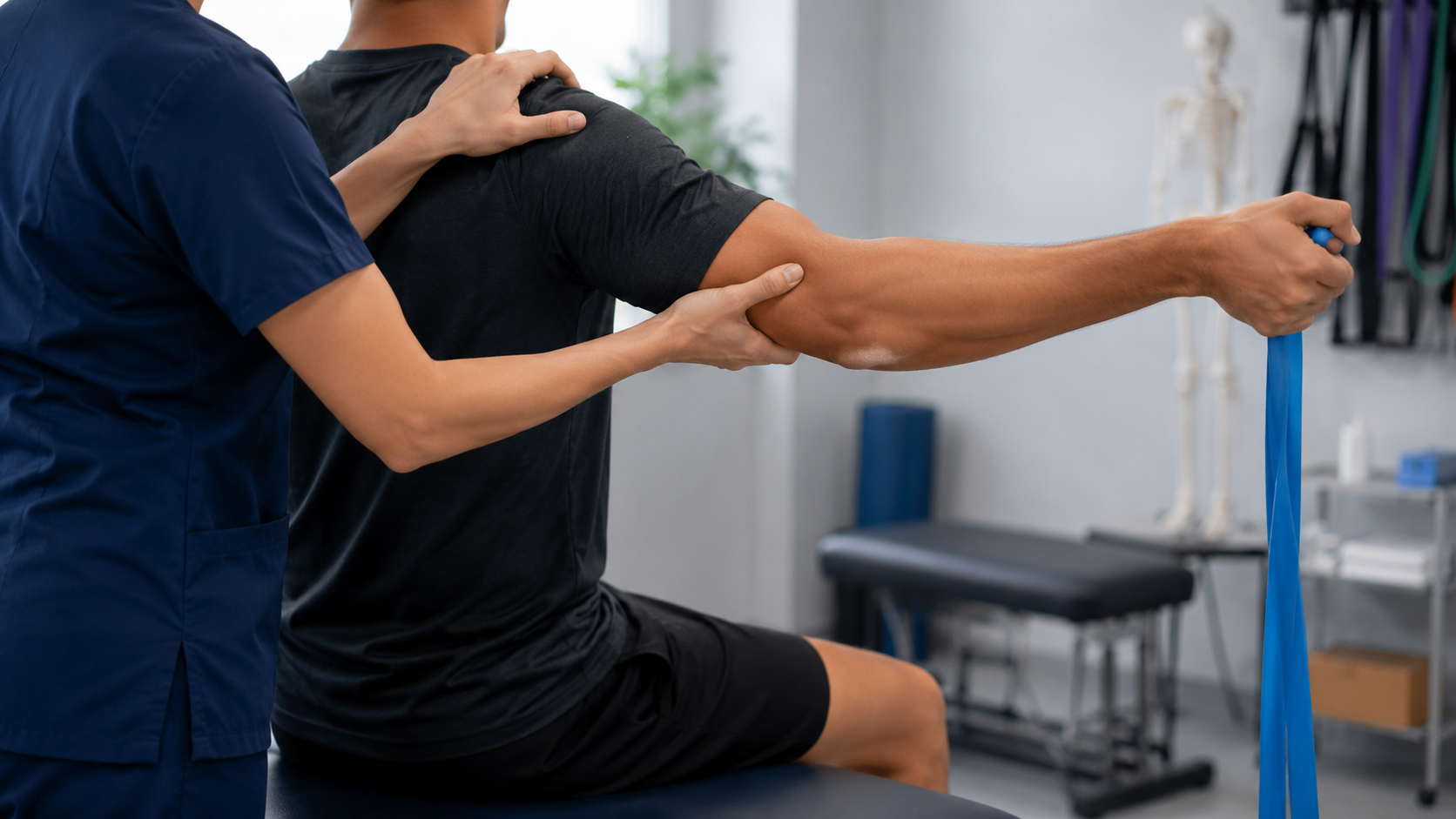
Manual therapy may include soft-tissue work, joint mobilizations, and nerve gliding. The goal is maintaining arm function, preserving motion in the shoulder, elbow, wrist, and hand, and helping the body’s natural recovery process repair minor nerve damage.
Manual care is never a stand-alone solution. It is paired with active treatment and ongoing physiotherapy.
Targeted Exercise Rehabilitation
Brachial plexus injuries physiotherapy begins with posture, scapular control, and gentle muscle activation. Functional training may include reaching, typing, lifting light objects, and sport drills.
As nerve recovery allows, exercises progress from supported motion to resistance bands, dowels, and weights. Regular exercise and strength training can strengthen the muscles around the neck and shoulders, providing additional support and protection to the nerve pathways.
Pain Management and Sensory Retraining
Pain management may include education, pacing, TENS, breathing strategies, graded activity, and desensitization. Supportive therapies may include occupational therapy and pain management strategies to enhance recovery from brachial plexus injuries.
Sensory retraining can use textures, contrast baths, and vision-guided movement to aid recovery and stimulate nerve function.
Supporting Different Types of Brachial Plexus Conditions
Not all nerve injuries look the same. Mild cases may need monitoring and rehab. More severe injuries may need extensive treatment, surgery, or long-term adaptation.
Severe injuries like ruptures and avulsions have a poor prognosis for natural healing without surgery. Nerve tears, or ruptures, and nerve root avulsions require surgery due to the impossibility of natural healing. Severe nerve injuries have a critical treatment window, making timely local care essential.
Adult Traumatic Brachial Plexus Injuries
Adult cases often follow motorcycle crashes, bike crashes, skiing injuries, or workplace falls. Ongoing rehabilitation focuses on mobility, preventing muscle atrophy, gradual strengthening, work planning, and return to recreation.
Microsurgical techniques, including nerve transfers, have substantially improved success rates in treating brachial plexus injuries when performed within 2 to 6 months of trauma. Nerve Transfers involve rerouting high-functioning nerves to restore motor signals to damaged brachial plexus nerves. Nerve Grafting consists of harvesting healthy nerve tissue from another body area to bridge damaged segments in the brachial plexus. Neurolysis surgically clears away restrictive scar tissue to improve nerve conductivity and eliminate painful knots. The ultimate success of surgical interventions for nerve injuries may take months or years to be fully apparent due to slow nerve regeneration.
Birth-Related Brachial Plexus Palsy and Pediatric Support
For infants, physiotherapy aims to maintain mobility, enhance arm function, guide safe body positioning, and support development. Our pediatric physiotherapist at Northwest Rehab Group can help families develop tailored treatment plans.

Prevention and Long-Term Recovery Strategies
Prevent brachial plexus injuries by reducing impact, improving shoulder support, and recognizing symptoms early. Preventing brachial plexus injuries involves minimizing the risk factors associated with nerve damage, including practicing safety measures to avoid trauma, such as wearing appropriate protective gear during sports or securing seat belts properly while driving.
How to Help Prevent Brachial Plexus Injuries
Use appropriate protective gear, secure seat belts, improve tackling technique, report workplace symptoms early, and avoid prolonged overhead strain. Being mindful of body positioning during activities that might put stress on the neck and shoulders can help reduce the risk of compression or stretching injuries to the brachial plexus. Being mindful of body positioning during activities that may stress the neck and shoulders can help reduce the risk of compression or stretching injuries to the brachial plexus.
What to Expect From Your Recovery Journey
The recovery time for a brachial plexus injury varies widely based on the injury’s severity, the affected individual’s overall health, and the treatment approach, with mild injuries resolving within weeks to a few months and more severe injuries taking several months to a year or more. Nerve regeneration occurs very slowly at a rate of roughly 1 mm per day.
Some brachial plexus injuries, especially milder forms, can heal on their own over time, with recovery taking several weeks to months, but monitoring progress under healthcare professionals is essential.
Frequently Asked Questions About Brachial Plexus Injury Treatment in Vancouver
Can a Brachial Plexus Injury Heal on Its Own?
Yes. Spontaneous recovery can occur in mild injuries. Still, active treatment helps maintain movement, manage pain, and reduce compensation.
What Are the Possible Long-Term Effects?
The long-term effects of a brachial plexus injury can vary widely based on the injury’s severity and the success of treatment, with mild cases potentially leading to full recovery and severe cases resulting in chronic pain or paralysis.
How Long Does Recovery Usually Take?
Minor nerve damage may improve in 6–12 weeks. Moderate cases may take 6–12 months. More severe injuries may take 12–24 months or longer.
When Should I See a Specialist or Go to the Hospital?
Seek urgent care after major trauma, complete paralysis, loss of consciousness, suspected fracture, or severe neurological symptoms. Northwest Rehab Group can help identify when specialist care is needed.
Why Choose Northwest Rehab Group for Brachial Plexus Injury Treatment?
Northwest Rehab Group offers a dedicated team for nerve-related conditions, shoulder and neck rehabilitation, manual therapy, functional training, and tailored treatment plans. Our treatment strategy encompasses assessment, education, movement, strength, pain control, and collaboration.
If you need brachial plexus injury treatment in Vancouver, book an initial assessment and begin your recovery journey with a plan built around your goals.


0 Comments