

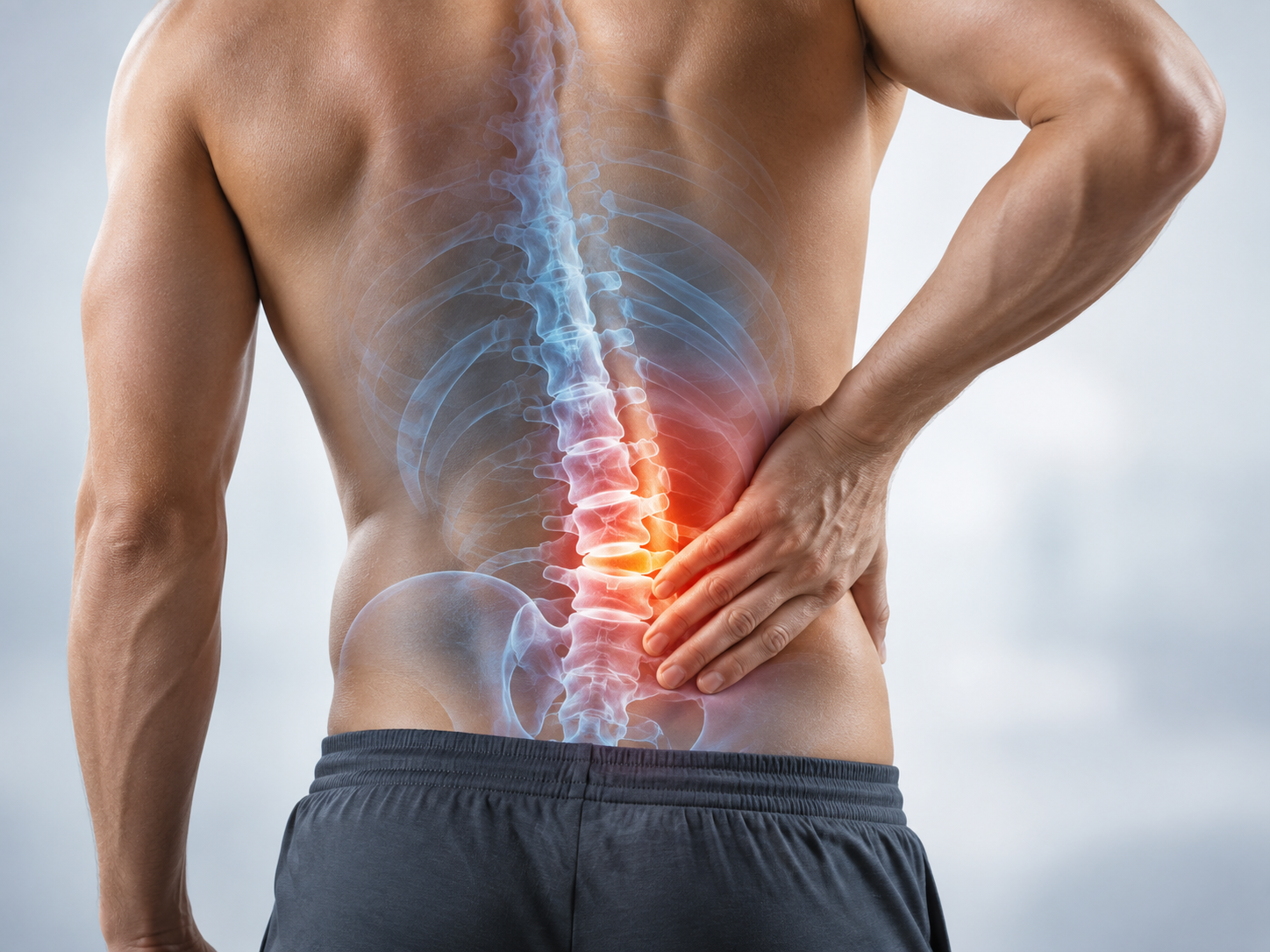
Waking up with pain, numbness, or tingling running down an arm or leg can be unsettling, especially when it interferes with work, sleep, or exercise. This kind of discomfort often points to disc compression, a common spinal condition that affects office workers, athletes, new parents, and older adults alike. Disc compression treatment in Vancouver has come a long way, with most cases responding well to non-surgical, conservative care rather than requiring an operation.
This guide walks through what causes disc compression, the signs to watch for, and the non-invasive treatment options available across the city. It also looks at how care differs for athletes, pregnant and postpartum women, and desk-bound professionals, plus what a realistic recovery timeline looks like. Northwest Rehab Group (NRG), a multidisciplinary clinic in Vancouver’s Mount Pleasant neighbourhood, offers chiropractic care, physiotherapy, massage therapy, and other services under one roof to support this kind of recovery. Read on to see what treatment might look like for your situation.
Key Takeaways
- Most disc compression cases improve with conservative, non-surgical care rather than needing an operation.
- Combining manual therapy, targeted exercise, and massage therapy tends to support a fuller recovery than any single approach alone.
- Treatment works best when it is matched to a person’s life stage and activity level, whether that means an athlete, a pregnant patient, or an office worker.
- Surgery is rarely necessary and is generally only considered after conservative care has been given a fair trial.
- Getting assessed early and staying consistent with rehab exercises both play a large role in how quickly symptoms settle.
What Is Disc Compression And What Causes It?
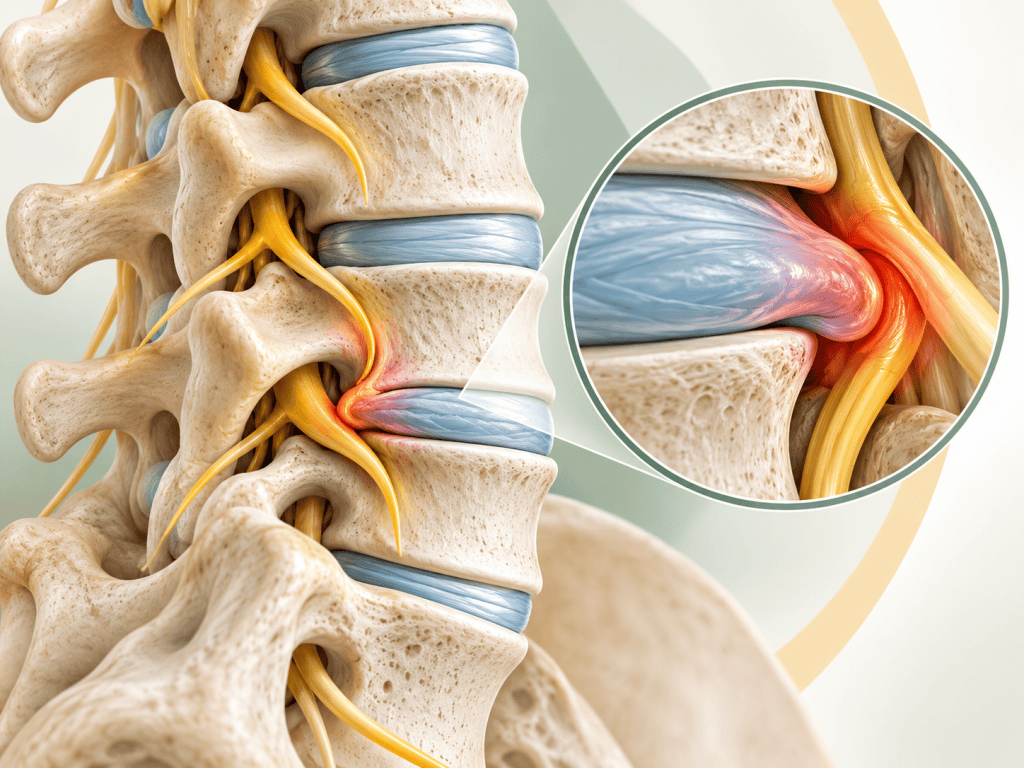
Disc compression happens when the soft, cushion-like material inside a spinal disc pushes outward and presses on a nearby nerve, causing pain or other symptoms. Each disc sits between two vertebrae and normally absorbs shock as the spine moves, but when its outer layer weakens or tears, the inner material can bulge or herniate into the space where a nerve root travels. This pressure is what triggers the pain, tingling, or weakness that many people notice in an arm, leg, or lower back.
Several factors raise the risk of developing this condition. Age-related wear naturally reduces the water content of a disc, making it less flexible and more prone to bulging over time. Sudden injuries, such as a fall or a car accident, can also damage a disc, while repetitive strain from heavy lifting, twisting, or long hours of sitting places steady stress on the lower spine. Poor posture and weak core muscles often compound these risks by leaving the spine with less support during everyday movement.
What Are The Signs You May Have A Compressed Disc?
Signs of a compressed disc depend on where in the spine the pressure occurs, but they generally include localized pain along with nerve-related symptoms that travel outward. A compressed disc in the neck often causes pain that spreads into the shoulder, arm, or hand, sometimes with numbness or tingling in the fingers. When the compression sits in the lower back, pain frequently radiates into the buttock and down one leg, a pattern many people know as sciatica, and it may come with a pins-and-needles feeling in the foot.
Most cases are uncomfortable rather than dangerous, but a small number of symptoms call for urgent medical attention rather than a wait-and-see approach. It helps to know which signs fall into this more serious category so care is not delayed.
- Sudden or progressive weakness in an arm or leg that makes it hard to grip objects, walk, or climb stairs.
- Loss of bladder or bowel control, which can signal significant pressure on the spinal cord and needs same-day medical evaluation.
- Numbness in the groin or inner thighs, sometimes called saddle numbness, alongside back pain.
- Pain that keeps worsening despite rest, ice, and over-the-counter pain relief over several days.
How Is Disc Compression Treated Without Surgery?
Disc compression treatment in Vancouver typically begins with conservative, active rehabilitation rather than passive rest, since most people respond well to a combination of hands-on care and guided movement. Clinicians usually build a plan around several evidence-based therapies working together, since no single treatment addresses every aspect of recovery. The table below outlines how these approaches typically complement one another.
| Therapy | Main Role in Recovery |
| Manual therapy and rehabilitation (chiropractic and physiotherapy) | May improve joint mobility, reduce nerve irritation, and help restore movement patterns |
| Physiotherapy exercise | Builds core strength and spinal stability to help lower recurrence risk |
| Massage therapy | Eases muscle guarding and supports circulation around the affected area |
| Acupuncture | May support pain management alongside other rehab-based treatments |
| Naturopathic support | Addresses nutrition and lifestyle factors that can influence healing |
Manual Therapy And Rehabilitation
Manual therapy and rehabilitation for disc compression covers a broad range of hands-on techniques, not spinal adjustment alone. This can include joint mobilizations, soft-tissue work, guided stretching, and specific exercise, all selected after a thorough assessment of a patient’s history, movement, and neurological status. At Northwest Rehab Group (NRG), chiropractors including Dr. Minh Nguyen, Dr. Amanda Zeleschuk, and Dr. Krista Delos Reyes build individualized plans rather than applying a generic protocol to every patient.
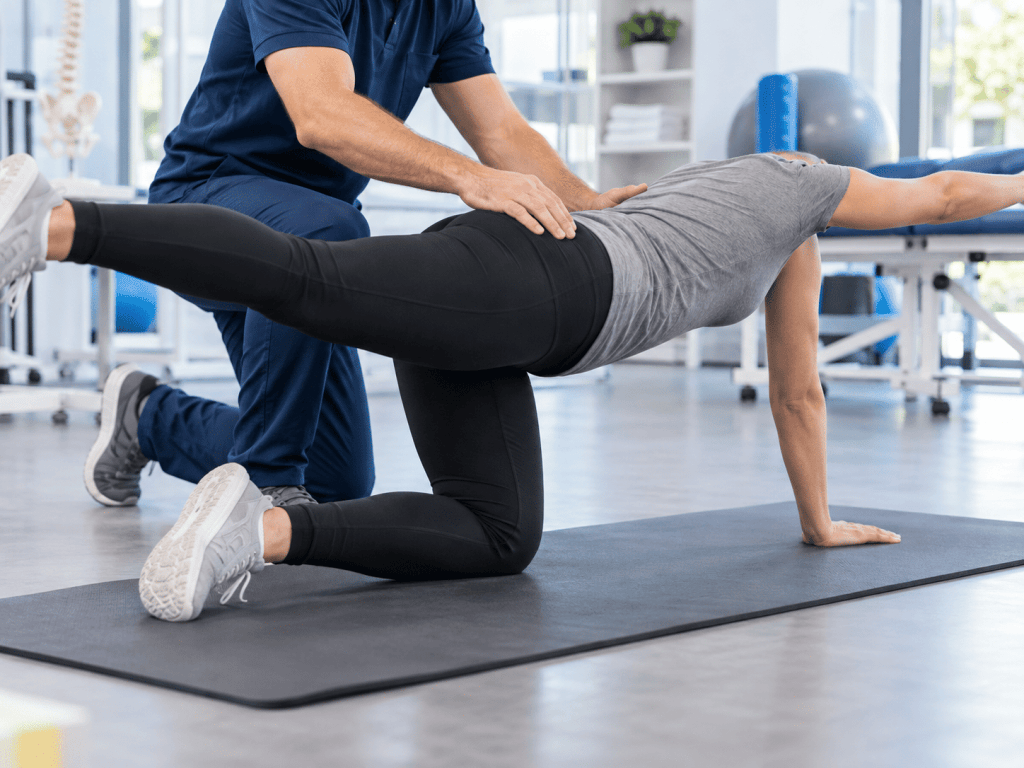
These plans typically evolve as a person responds to care, with techniques adjusted based on how symptoms change from one visit to the next. Practitioners also screen for red-flag signs, such as worsening neurological symptoms, and refer patients to a physician or specialist promptly when something falls outside the scope of conservative care.
Physiotherapy And Core Strengthening
Physiotherapy supports disc compression recovery mainly by rebuilding the core strength and control that keep the spine stable during daily movement. A physiotherapist usually starts with gentle range-of-motion exercises before progressing to targeted strengthening work for the muscles supporting the lower back and pelvis, which matters given findings on lumbar disc compression force during walking that link limited knee extension to increased spinal loading. Postural education is often woven into this process, helping patients recognize and adjust the habits that placed extra strain on the disc in the first place.
Because chiropractic care and physiotherapy address overlapping but distinct parts of recovery, many clinics coordinate the two disciplines for more complex or slow-healing cases. This kind of collaboration allows manual therapy and exercise-based rehabilitation to reinforce each other rather than operating as separate, disconnected treatments.
Massage Therapy And Complementary Modalities
Massage therapy plays a supporting role in disc compression care by easing the muscle guarding and tension that often builds up around a compressed disc. When surrounding muscles tighten protectively in response to pain, that tension can restrict movement and even add to nerve irritation, so a registered massage therapist works to release it and support blood flow to the area. This tends to make other treatments, particularly rehab exercise, more comfortable and effective.
Some patients explore additional options such as non-surgical spinal decompression therapy, which uses intradiscal pressure changes to relieve nerve compression, alongside acupuncture and naturopathic support available with chiropractic and physiotherapy services at NRG. Acupuncture may help with pain management, while naturopathic guidance can address nutrition and lifestyle habits that support tissue healing, though neither is meant to replace rehab-based care.
How Is Treatment Different For Athletes, Pregnancy, And Office Work?
Treatment for disc compression looks different depending on a person’s daily demands, since a competitive runner, a pregnant patient, and a desk-based worker each place very different stresses on the spine. While the underlying goals of reducing nerve irritation and rebuilding strength stay consistent, the specific exercises, pacing, and precautions used in care are adapted to match each person’s body and routine. A clinician typically adjusts progression speed, movement selection, and home advice based on what a patient needs to return to safely.
Athletes And Active Individuals
Athletes generally benefit from sport-specific rehab progressions that mirror the movements of their sport, rather than generic strengthening alone. Starting treatment early may help maintain conditioning during recovery and lower the chance of the pain becoming a long-term, chronic issue.
Pregnant And Postpartum Women
Pregnancy shifts a person’s centre of gravity and loosens spinal ligaments, which can add stress to the lower back and pelvis and sometimes irritate a disc. NRG offers prenatal and postnatal chiropractic alongside pelvic girdle support, addressing these changes safely through pregnancy and the physical demands of early motherhood.
Office Workers And Parents Of Active Kids
Office workers often see improvement through ergonomic adjustments, like proper chair and monitor height, paired with regular movement breaks to counter long stretches of sitting. Parents of growing kids dealing with back complaints may also want to look into pediatric physiotherapy, since children’s developing spines call for age-appropriate assessment and care.
How Long Does Recovery Take And When Should You See A Specialist?
Recovery from disc compression usually unfolds over a period of weeks to months, with the pace shaped by symptom severity, overall health, and how consistently someone follows their rehab plan. Many people notice a meaningful reduction in pain within four to six weeks of starting conservative treatment, though full healing of the disc itself can take considerably longer. Staying engaged with prescribed exercises and activity modifications tends to support progress more than relying on passive treatments alone.
Staying as active as symptoms allow, rather than resting completely, is generally considered a key part of a smooth recovery from disc-related pain.
A referral to a physician or spine specialist becomes appropriate when symptoms fail to improve after six to twelve weeks of consistent conservative care, or when neurological symptoms like weakness or numbness continue to worsen. In these situations, further imaging or a specialist opinion can help determine whether additional intervention is needed, though this applies to only a small share of cases.
The Takeaway
Most people dealing with disc compression can expect meaningful improvement through non-invasive, multidisciplinary care rather than surgery. Combining manual therapy and rehabilitation, targeted exercise, and supporting treatments like massage therapy gives the body several ways to heal at once, while adjusting the plan for a person’s life stage and activity level keeps recovery realistic and sustainable.
If pain, numbness, or tingling has been limiting your daily activities, booking an appointment at Northwest Rehab Group is a practical first step toward building a personalized recovery plan. A thorough evaluation can help clarify what is driving your symptoms and map out a treatment approach suited to your body and your goals.


0 Comments