
Arm muscle strain can quickly interfere with daily life—whether it’s lifting, typing, training, or even simple movements like reaching overhead. At Northwest Rehab Group, a multidisciplinary clinic in Mount Pleasant, Vancouver, care is centred around identifying the root cause of your symptoms and guiding recovery through evidence-based treatment.
A thorough assessment by healthcare professionals is essential for accurate diagnosis and effective treatment of arm muscle strains. Our team collaborates to develop a personalized treatment plan for each patient, ensuring that professional treatment is provided to prevent complications and promote proper recovery. The most effective treatment options for arm muscle strain in Vancouver include professional rehabilitation, pain management, and specialized therapies, all delivered by our experienced healthcare professionals.
Book an Appointment today to start a personalised recovery plan.
Quick Overview Of Arm Muscle Strain
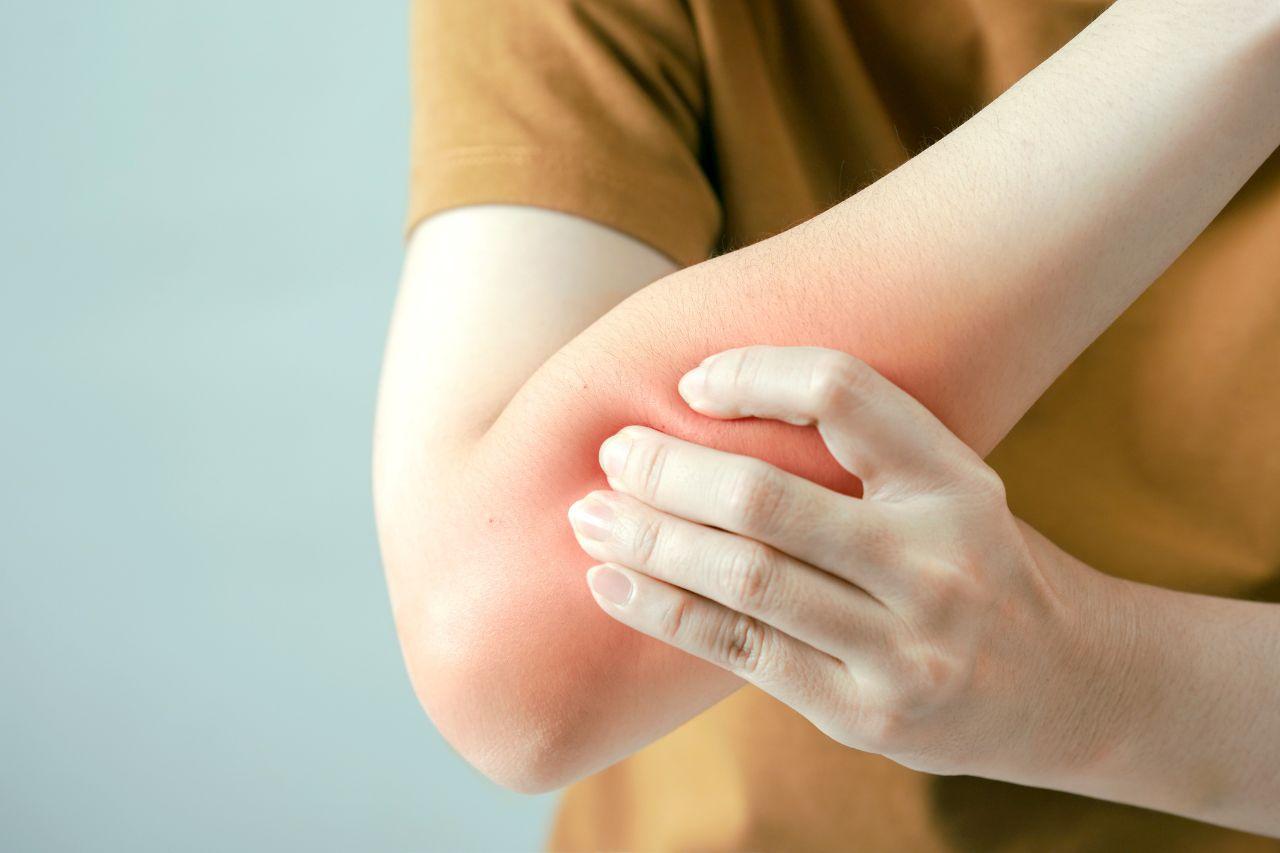
An arm muscle strain refers to an overstretching or tearing of muscle fibers in the upper arm, forearm, or surrounding soft tissues. Strains occur when muscle fibers are overstretched or torn, often as a result of acute injury from sudden trauma or from repetitive motion during physical activity.
It can affect areas such as:
- Upper arm (biceps, triceps) — often triggered by poor posture or repetitive motion during physical activity
- Elbow region (common with tendon involvement)
- Forearm and wrist extensors/flexors
Inadequate warm-up before physical activity can also lead to arm muscle strain.
Arm pain may present suddenly after an injury (acute strain) or develop gradually due to repetitive use (overuse strain). Both types benefit from early assessment and guided rehabilitation.
Symptoms, Causes, And When To Seek Care
Common Symptoms
- Localised arm pain or tenderness in the affected area
- Muscle weakness or fatigue
- Swelling or bruising
- Reduced range of motion
- Pain with gripping, lifting, or rotation
Typical Causes
- Improper lifting techniques (lifting heavy objects incorrectly)
- Repetitive tasks (such as typing or manual work)
- Muscle imbalances
- Repetitive strain (e.g., typing, sports, manual work)
- Sudden force or trauma
- Poor biomechanics or posture
Without proper care, acute strains can progress into chronic muscle pain, where symptoms persist and become more difficult to resolve. Muscle imbalances and improper lifting techniques are common contributors to chronic muscle strains.
When To Seek Urgent Care
- Severe pain or sudden loss of strength
- Visible deformity or significant swelling
- Numbness or tingling in the arm or hand
- Inability to move the arm
When Arm Strain Produces Elbow Pain Or Wrist Issues
Arm muscle strain often overlaps with tendon-related conditions, especially around the elbow (e.g., tendon irritation). Persistent elbow pain may indicate:
- Tendon involvement (like overuse injuries)
- Compensatory movement patterns
If symptoms extend into the wrist or hand—such as numbness or tingling—this may suggest nerve irritation. Carpal tunnel syndrome involves compression of the median nerve, while cubital tunnel syndrome involves the ulnar nerve; both conditions can cause pain, numbness, and tingling in the affected area. In these cases, a thorough clinical assessment is recommended to guide appropriate care.
Effective Treatment Options At Our Clinic
At Northwest Rehab Group, care is multidisciplinary and follows structured treatment protocols for optimal outcomes:
- Physiotherapy: Physical therapy provides pain relief and promotes healing through targeted exercises, manual therapy, and movement retraining.
- Chiropractic therapy: Manual therapy, joint mobilizations, and soft tissue techniques to alleviate pain and restore function.
- Massage therapy: Helps relieve pain and improve blood flow to the affected area, supporting tissue repair and recovery.
- Acupuncture & naturopathic care: Adjunct approaches for pain modulation and recovery.
- Shockwave therapy & modalities: Shockwave therapy is a non-invasive treatment that uses acoustic waves to stimulate blood flow and accelerate repair for chronic strain.
Care is always based on clinical findings and individual needs, aligning with evidence-based practice standards. Comprehensive care for chronic muscle strains involves a multidisciplinary approach including physical therapy and chiropractic care.
Physiotherapy: Rehabilitation And Return To Function
Rehabilitation begins with a detailed assessment to identify movement limitations and contributing factors. Physiotherapy emphasizes rehabilitation as a crucial component of recovery from arm injuries.
Treatment typically includes:
- Structured exercise programs tailored to your condition, including targeted exercises and strengthening exercises to improve muscle function and support the recovery process
- Progressive strengthening and mobility work
- Load management to avoid re-injury
- Ongoing monitoring and adjustments
The goal is not just symptom relief—but restoring full function and achieving optimal recovery through a personalized treatment plan.
Massage Therapy And Soft-Tissue Management
Massage therapy focuses on:
- Deep tissue and myofascial release
- Reducing muscle tightness and stiffness
- Treating trigger points that may refer pain into the arm
- Helping reduce pain and support muscle repair in the affected area
Treatment is often delivered in blocks, with reassessment to track progress and adapt care.
Addressing Nerve Symptoms And Carpal Tunnel Syndrome
Not all arm pain is purely muscular. Conditions like carpal tunnel syndrome can mimic or coexist with muscle strain.
At our clinic:
- Nerve-related symptoms are carefully assessed
- Referrals for testing are arranged when needed
- Patients are guided through nerve gliding exercises
- Ergonomic adjustments are recommended for work and daily activities
Managing Chronic Pain Conditions And Chronic Muscle Pain
For long-standing issues, care becomes more comprehensive:
- Multidisciplinary treatment plans
- Education on pain mechanisms
- Gradual pacing strategies
- Integration of long-term therapies for symptom control
This approach supports sustainable recovery rather than short-term relief.
Preventing Future Arm Muscle Strains
Prevention is a key part of treatment and involves proactive preventive measures, such as engaging in strength and flexibility exercises tailored to the arm muscles:
- Properly warming up before physical activities and using correct technique and proper posture during workouts are crucial for preventing arm muscle strains.
- Listening to your body and avoiding overexertion are key strategies to prevent future injuries.
- Modifying daily activities to reduce strain, such as using ergonomic tools and taking breaks to stretch, supports recovery and musculoskeletal health.
- Incorporating ergonomic adjustments into your workspace can help minimize undue stress on your arm muscles and promote overall musculoskeletal health.
These strategies help ensure proper recovery and prevent future injuries.
What To Expect During Your Visit
Your first visit includes:
- A full functional and physical assessment
- Discussion of symptoms, history, and goals
- Clear short- and long-term recovery targets
- A personalised treatment plan
All care is delivered with informed consent and clear communication, in line with professional clinical standards.
Insurance, Claims, And Accessibility
- Support for ICBC and WCB claims
- Direct online booking available
- Virtual consultations offered where appropriate
- Convenient Mount Pleasant location
Address: 2830 Main St, Vancouver, BC V5T 3G2
Phone: +1 604-875-9779
Book online: http://www.nwrehab.janeapp.com/
FAQs, Immediate Self-Care, And Recovery Timelines
Immediate Self-Care
- Rest from aggravating activities
- Ice for acute inflammation
- Gentle mobility exercises (if tolerated)
- Avoid heavy loading early on
Recovery Timelines
- Mild strain: 1–2 weeks
- Moderate strain: 3–6 weeks
- Severe strain: 6+ weeks with rehab
If symptoms are not improving within 1–2 weeks, assessment is recommended.
Meet Our Experienced Team And Why Choose Us
Northwest Rehab Group brings together experienced clinicians across multiple disciplines, working collaboratively to support recovery.
Patients benefit from:
- Coordinated care across services
- Evidence-based treatment approaches
- Personalized plans aligned with their goals
If you’re dealing with arm pain, early intervention can make a significant difference.
Book an appointment today and get a tailored plan designed for your recovery.

0 Comments