

Understanding Shin Splints
Shin splints, medically known as medial tibial stress syndrome (MTSS), describe pain experienced along the inner edge of the shinbone (tibia) due to the body’s mechanics and repetitive stress. This condition frequently affects runners, dancers, and military recruits due to overuse and strenuous physical activities. Symptoms commonly include sharp or dull aching pain along the shin bone (tibia) and possible swelling. The pain is typically felt in the front of the lower leg. The condition often develops gradually and intensifies with increased activity, causing discomfort that can interfere significantly with daily routines and physical performance.
Risk Factors and Prevention
Shin splints primarily result from the repeated overloading of the tibia and surrounding muscles and connective tissues. Hard surfaces can exacerbate this issue by increasing the impact stress on the shins. Physical activities involving repetitive motion and high-impact stress on the lower legs, such as running or jumping, substantially contribute to this issue. Repetitive activities are often the primary trigger for shin splints, highlighting the importance of understanding one’s physical history and exercise habits. The condition often develops from the principle of ‘too much, too fast’ in terms of exercise and training, where the body is unable to adapt to sudden increases in activity. Additional contributing factors include inadequate recovery periods, improper or worn-out footwear, and incorrect training techniques.
Preventive strategies are essential in minimizing the risk of developing shin splints. Gradually increasing activity levels and intensity rather than abrupt changes can significantly reduce the likelihood of injury. A sudden increase in exercise intensity can lead to excessive stress on the muscles and surrounding tissues, resulting in pain and injury. Selecting appropriate footwear that provides adequate cushioning and arch support is crucial. Regularly changing running shoes when they become worn out is another vital preventive measure. Incorporating rest periods into regular training regimens, focusing on flexibility and strength training, especially for the lower legs and calves, can also effectively prevent shin splints.
Diagnosing Shin Splints
Diagnosing shin splints involves a comprehensive evaluation by a qualified healthcare professional. Typically, diagnosis starts with reviewing the individual’s medical history, focusing on recent changes in physical activity levels and specific symptoms. A thorough physical examination follows to assess the exact location and severity of pain and tenderness along the shinbone. Inflammation of connective tissue, such as the periosteum, can also contribute to shin splints due to repetitive stress and overuse during physical activities.
In some instances, imaging studies like X-rays or MRI scans are employed to exclude other potential conditions such as stress fractures or tendonitis. An accurate and timely diagnosis ensures the condition can be appropriately managed, reducing the risk of further injury or complications.
Treatment Options
The initial phase of treating shin splints typically includes rest and reduced physical activity to allow inflamed tissues adequate time to heal. Applying ice to the affected areas helps in reducing inflammation and managing pain, especially during the initial days following the onset of symptoms. Compression garments or wraps and elevating the legs above heart level are recommended methods to decrease swelling. Understanding the healing process is crucial, as it emphasizes the importance of rest, appropriate treatment techniques, and tailored exercises to facilitate recovery and overall well-being.
Non-steroidal anti-inflammatory drugs (NSAIDs), such as ibuprofen, are frequently used to manage inflammation and provide pain relief. These medications are effective in treating the symptoms associated with shin splints. Custom orthotics or shoe inserts can benefit individuals with biomechanical imbalances, such as flat feet or high arches, as they help distribute pressure more evenly and reduce stress on the shinbone. Custom orthotics can also stabilize the foot while running, providing additional support to treat shin splints. To effectively treat shin splints, using custom orthotics or insoles is recommended to maintain proper alignment and shock absorption.
Custom Orthotics
Custom orthotics play a crucial role in treating shin splints by providing adequate support and reducing stress on the lower leg. These specialized insoles are designed to address the root cause of shin splints, which is often related to repetitive stress and overuse. By redistributing pressure and promoting proper alignment, custom orthotics can help alleviate shin splints symptoms, such as sharp pain and mild swelling, and prevent further injury. Dr. Minh Nguyen, an expert in the field, recommends custom orthotics as a key component of a comprehensive treatment plan for shin splints. This approach can help reduce pain, restore mobility, and promote overall well-being. Northwest Rehab Group offers custom orthotics and whether custom orthotics are right for you.
Related Conditions
Several conditions share similar symptoms to shin splints and must be considered during diagnosis and treatment planning, especially those involving the bones and muscles in the lower legs. Conditions such as plantar fasciitis, flat feet (overpronation), and stress fractures frequently exhibit overlapping symptoms and can complicate diagnosis and treatment. Proper evaluation to differentiate between these conditions is crucial because each requires a tailored therapeutic approach to achieve optimal outcomes.
Addressing shin splints is essential to prevent further complications involving the shinbone and surrounding tissues. Continuous stress on these areas without adequate recovery can lead to serious injuries, including stress fractures, highlighting the need for effective treatment and management strategies.
Personalized Treatment Plans
Effective management of shin splints in Vancouver relies heavily on developing personalized treatment plans based on individual needs and conditions. A comprehensive and detailed assessment ensures treatments specifically address the unique causes and severity of each individual’s symptoms, outlining the best course of action for effective recovery.
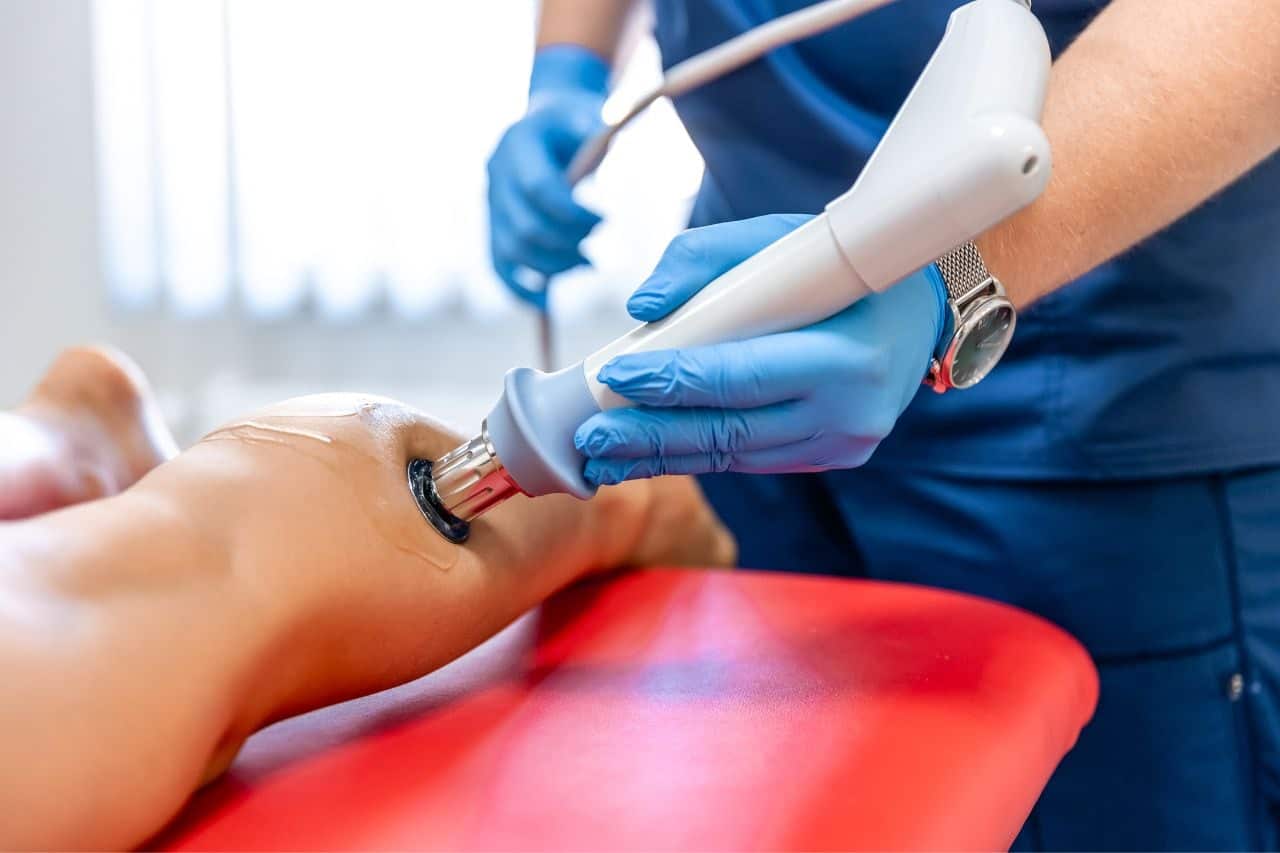
Pain management strategies, targeted physiotherapy, and ongoing patient education represent the foundation of successful personalized care plans. Physiotherapy often includes stretching, strengthening exercises, and biomechanical corrections, which significantly enhance recovery and reduce the risk of recurrence. Shockwave therapy may also be part of the treatment plan when deemed necessary. Education on rest and activity modification is also a key component of physiotherapy for shin splints, helping patients understand how to balance recovery with maintaining physical fitness. In certain cases, tape may be used to support the shin during physiotherapy, providing additional stability and reducing strain on the affected area. A key goal of physiotherapy is restoring mobility, ensuring patients regain strength and enhance movement for a safe return to physical activities.
Expert Opinion
According to Dr. Minh Nguyen, treating shin splints requires a comprehensive approach that addresses the underlying causes of the condition. As an expert in the field, he emphasizes the importance of a thorough assessment to identify risk factors, such as flat feet or repetitive strain, and develop a personalized treatment plan. This may include custom orthotics, massage therapy, and physical activity modifications to reduce stress on the shin area. By taking a proactive approach to treating shin splints, individuals can reduce their risk of developing stress fractures and other complications, and promote a speedy recovery. With his extensive experience in treating shin splints and other lower leg conditions, Dr. Minh Nguyen is well-equipped to provide expert guidance and support to patients seeking effective treatment options. His process to treating shin splints has been proven to be highly effective in reducing pain and promoting healing, making him a trusted authority in the field.
Recovery and Rehabilitation
Recovery from shin splints can vary depending on the severity of the condition and the individual’s commitment to a tailored rehabilitation program. While milder cases may show substantial improvement within weeks, more severe instances may require several months of careful management. Recovery typically takes 1-3 months, with adherence to treatment protocols playing a significant role in determining the duration. The recovery time can vary significantly, emphasizing the importance of timely treatment and proper rest.
Adherence to a structured rehabilitation protocol is vital, focusing on gradually reintroducing physical activity while preventing overload on healing tissues. Physiotherapy exercises aimed at enhancing strength and flexibility play a critical role in rehabilitation. Hands-on treatment can also help restore range of motion for individuals recovering from shin splints, addressing stiffness and improving mobility. Taking a break from normal activities is essential to minimize repetitive strain on the lower leg muscles. Engaging in low-impact activities like swimming or cycling during recovery can maintain cardiovascular fitness without aggravating the injury.
Choosing the Right Treatment Clinic
Selecting the right clinic for treating shin splints is a crucial factor in successful management and recovery. For individuals leading an active life, it is especially important to address the factors contributing to shin splints. Northwest Rehab Group in Vancouver offers specialized care for shin splints, providing comprehensive assessments and personalized treatment plans that address the individual needs of each patient. Our team of experienced professionals utilizes evidence-based practices to ensure optimal outcomes. We focus on treating the muscles surrounding the shinbone, recognizing that tightness in these muscles can contribute to shin splints. A clinic like Northwest Rehab Group, which emphasizes patient education, physiotherapy, and individualized care, significantly enhances the prospects of achieving long-term relief and full recovery from shin splints.
Frequently Asked Questions
- What are shin splints? Pain along the shinbone due to repetitive stress.
- How are shin splints diagnosed? Through medical history, physical examination, and occasionally imaging studies.
- What are the symptoms of shin splints? Aching pain along the front of the shin, swelling, and tenderness.
- How can I prevent shin splints? Gradual increase of activities, proper footwear, and sufficient rest.
- What is the best treatment for shin splints? Rest, ice, compression, elevation, NSAIDs, physiotherapy, and personalized orthotics.
- What does shin splint treatment involve? Shin splint treatment is a personalized service aimed at enhancing performance and mobility. It includes a comprehensive approach that addresses pain relief and focuses on preventing future issues through tailored care plans and thorough evaluations.
- What causes shin pain? Shin pain can be caused by underlying medical issues such as inflammation of connective tissue, stress fractures, and osteosarcoma. Massage therapy can help alleviate symptoms associated with shin splints, including tightness and tenderness in the surrounding muscles of the lower leg.
Conclusion
Managing shin splints effectively in Vancouver requires a comprehensive, individualized approach emphasizing accurate diagnosis, targeted therapy, and preventive education. The tibia, the large bone in the front of the lower leg, plays a significant role in the development of shin splints, particularly among athletes and active individuals. Additionally, while shin splints are common, a stress fracture is a potential complication that may require imaging studies for confirmation and specific medical intervention. By fully understanding the causes and implementing recommended treatment and rehabilitation strategies, individuals can significantly alleviate symptoms, accelerate recovery, and minimize future risks.
References
- Health.com: Shin Splints – Causes, Symptoms, and Treatment Options. Retrieved from https://www.health.com/shin-splints-causes-7105979
- Mayo Clinic: Shin Splints – Diagnosis and Treatment. Retrieved from https://www.mayoclinic.org/diseases-conditions/shin-splints/diagnosis-treatment/drc-20354113
- WebMD: Shin Splints Overview. Retrieved from https://www.webmd.com/fitness-exercise/shin-splints


0 Comments