

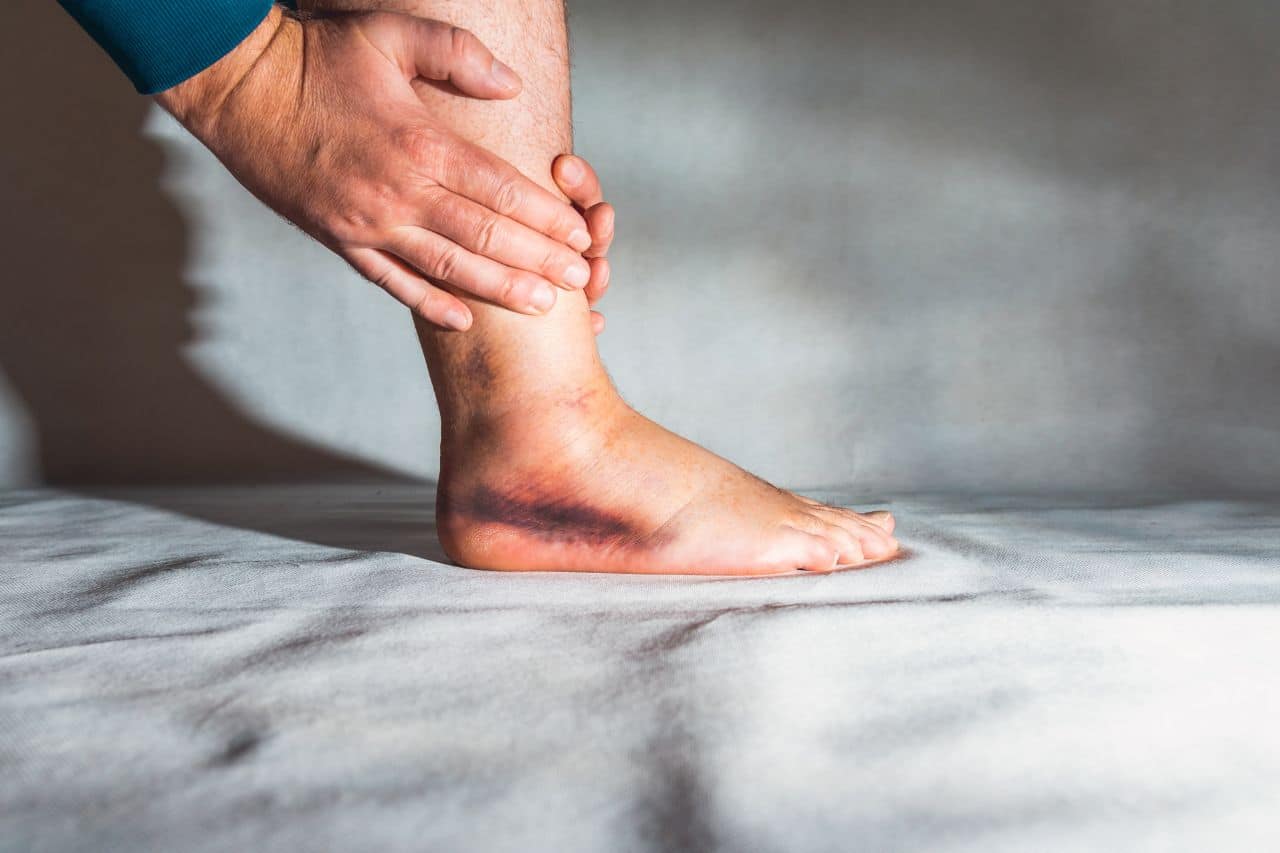
An ankle sprain can happen in a split second—stepping off a curb awkwardly, landing poorly after a jump, or losing balance on uneven ground. Jumping, especially during sports, is a common cause of ankle sprains. A sprained ankle, while often described as a “minor” injury, can lead to lingering pain, weakness, and repeated injuries if not assessed and managed properly. Ankle sprains are among the most common of all sports injuries. With the right treatment approach, most people can recover fully and return to their normal activities with confidence.
This article explores ankle sprains in detail, how they affect ankle stability, the role of treatment and rehabilitation, and what recovery typically looks like—helping you understand your options if you’re seeking ankle sprain treatment in Vancouver.
Understanding the Injury
An ankle sprain occurs when one or more ligaments supporting the ankle joint are stretched beyond their normal range or torn. Ligaments are strong bands of connective tissue that help stabilize joints, and when they are overloaded, injury can occur. Ankle sprains typically occur during activities such as sports or daily movements when the foot lands awkwardly, especially on uneven ground or with weak muscles, leading to inversion injuries.
Most ankle sprains happen when the foot rolls inward (an inversion injury), placing stress on the ligaments on the outside of the ankle. The heel, located beneath the ankle joint and related to the sub-talar joint, plays a crucial role in ankle stability and movement, especially during inversion sprains, as its position can contribute to the mechanism of injury. Less commonly, the foot may roll outward or twist under the body, affecting other ligament structures.
When assessing an ankle sprain, it is important to ask whether the ankle has been hurt before to help evaluate pain levels and potential ligament damage.
Severity of Ankle Sprains
Ankle sprains are generally classified into three categories:
- Mild (Grade I): Slight stretching of the ligament with minimal swelling and discomfort
- Moderate (Grade II): Partial tearing of the ligament, noticeable swelling, bruising, and difficulty bearing weight
- Severe (Grade III): Complete ligament tear, significant swelling, instability, and inability to walk comfortably. Severe sprains are often very painful and associated with significant swelling.
Symptoms can include pain, swelling, bruising, stiffness, tenderness, and a feeling that the ankle may “give way.” Because these symptoms can overlap with fractures or tendon injuries, proper assessment is important—especially if pain or swelling does not improve within a few days.
Seeking timely care helps determine the severity of the injury and guides appropriate treatment decisions. Most ankle sprains heal in three to eight weeks with appropriate treatment.
Diagnosis and Assessment of Ankle Sprains
Accurate diagnosis and thorough assessment are essential steps in effectively treating an ankle sprain and ensuring a smooth recovery. When you visit a doctor or physiotherapist for an ankle injury, the process typically begins with a detailed medical history and a careful physical examination of the ankle joint.
During the assessment, the doctor will check for common symptoms such as swelling, bruising, tenderness, and pain around the ankle. They will evaluate your ability to walk, the range of motion in the joint, and any signs of instability or weakness. Specialized tests, like the anterior drawer or talar tilt test, may be used to assess the integrity of the ligaments and tendons, helping to determine whether the sprain is mild, moderate, or severe.
In some cases, imaging tests such as X-rays are recommended to rule out fractures or other bone injuries, especially if the pain is severe or if you are unable to bear weight on the affected foot. Ultrasound or MRI may be used to get a closer look at soft tissue structures, including the ligaments and the Achilles tendon. Achilles tendonitis, or inflammation of the Achilles tendon, can sometimes occur alongside an ankle sprain, so your healthcare provider will also check for tenderness or swelling in this important part of the lower leg.
Identifying factors that contributed to the injury—such as improper footwear, walking on an uneven surface, or a history of previous ankle sprains—is an important part of the assessment. Understanding these factors helps guide both treatment and prevention strategies, reducing the risk of future injuries.
Based on the findings, your doctor may recommend a range of treatment options. Most ankle sprains heal well with conservative measures like rest, ice, compression, and elevation to decrease swelling and discomfort. In more severe cases, a protective brace, splint, or taping may be used to support the ankle joint and prevent further injury while healing takes place. Surgical repair is rarely needed, but may be considered if there is a complete ligament tear or if the ankle remains unstable after other treatments.
Physiotherapy is often a key part of the recovery process, with targeted exercises to restore mobility, strength, and balance. Massage therapy can help reduce inflammation and improve tissue healing, while taping or bracing may provide additional support during the return to normal activities.
If you experience severe pain, significant swelling, or difficulty walking, it’s important to seek medical attention promptly. Early diagnosis and appropriate treatment can help decrease swelling, promote healing, and restore your ability to move comfortably. With the right care, most ankle sprains heal within a few weeks, allowing you to get back to your normal activities with confidence.
Ankle Joint Stability
The foot and ankle joint is a complex structure made up of bones, ligaments, tendons, muscles, and joint surfaces that work together to support body weight and allow movement. Proper diagnosis and treatment of foot and ankle injuries, especially ankle sprains, require understanding the anatomy and function of both regions. Stability depends not only on the ligaments but also on muscle strength, coordination, and joint control.
When an ankle sprain occurs, the injured ligaments may no longer provide the same level of support. This can result in:
- Reduced joint stability
- Altered movement patterns
- Increased stress on surrounding tissues
- Higher risk of repeated sprains
Balance and proprioception training is essential for stabilizing the ankle during recovery from sprains.
Contributing Factors to Ankle Sprains
Several factors can increase the likelihood of ankle sprains, including:
- Walking or running on uneven surfaces
- Poor footwear or worn-out shoes
- Weakness in the ankle or lower leg muscles
- Reduced balance or proprioception (joint position awareness)
- Previous ankle injuries that were not fully rehabilitated
Without proper management, ankle instability can persist even after pain subsides, making future injuries more likely.
Supportive devices such as braces or orthotics may be recommended in some cases to provide additional stability during daily activities or sports while the ankle heals.
Treatment and Rehabilitation
Effective ankle sprain treatment focuses on how to treat the injury by reducing symptoms, restoring function, and addressing factors that contribute to instability. Treatment options may include home care methods such as RICE (rest, ice, compression, elevation) as well as medical interventions like physical therapy or, in severe cases, surgery. Our clinic can diagnose the severity of ankle sprains and may recommend protective devices like braces or walking boots. Treatment plans are typically individualized based on injury severity, activity level, and overall health.
Early Management
In the early stages, reducing swelling and discomfort is often a priority. This may include:
- Rest: Avoiding activities that aggravate the injury
- Ice: Applying cold therapy to help manage swelling
- Compression: Using an elastic wrap or brace
- Elevation: Keeping the ankle raised when possible
These strategies can help manage symptoms in the short term, but they are only the first step in recovery.
Role of Physiotherapy and Manual Therapy
Physiotherapy plays a central role in ankle sprain rehabilitation. Treatment may include:
- Gentle joint mobilizations to support ankle mobility
- Soft tissue techniques to address muscle tension and swelling
- Progressive strengthening exercises for the ankle and lower leg
- Balance and coordination training to improve stability
- Movement retraining to restore normal walking or running patterns
Manual therapy techniques are often used alongside exercise to improve comfort and movement. These approaches aim to support recovery without relying on a single modality.
In more severe cases, imaging or referral to a medical doctor may be necessary to rule out fractures or other complications. Surgical intervention is uncommon but may be considered in specific situations involving severe ligament damage or repeated instability.
Prevention and Management
Preventing ankle sprains—or preventing them from happening again—requires more than just resting until pain subsides. Long-term management focuses on strengthening, awareness, and movement control.
Strategies to Reduce Risk
- Wearing appropriate footwear for your activity
- Performing warm-up exercises before sports or exercise
- Improving ankle and leg strength through targeted exercises
- Practicing balance and coordination training
- Using bracing or taping during higher-risk activities when appropriate
Addressing underlying factors such as muscle weakness or limited mobility can reduce strain on the ankle joint and improve overall function.
Regular physiotherapy sessions can help maintain mobility and support ongoing recovery, particularly for individuals with a history of ankle injuries.
Recovery and Healing
Most ankle sprains improve within a few weeks, but recovery timelines vary depending on the severity of the injury and how consistently rehabilitation is followed.
What Recovery Typically Involves
- Gradual progression from gentle movement to strengthening
- Increasing weight-bearing activities as tolerated
- Monitoring symptoms and adjusting activity levels accordingly
- Avoiding high-impact movements until the ankle can tolerate them
Returning to activity too quickly can delay healing or increase the risk of re-injury. Guidance from a physiotherapist or healthcare professional helps ensure that progression is appropriate for your stage of recovery.
In some cases, additional supportive treatments such as orthotics may be recommended to help manage load through the ankle during daily activities.
Getting Back on Your Feet
Returning to normal activities after an ankle sprain should be gradual and intentional. Whether your goal is walking comfortably, returning to work, or resuming sports, rebuilding confidence in the ankle is key.
A structured rehabilitation plan can help improve:
- Strength and endurance
- Joint control and balance
- Confidence with movement
Temporary use of crutches or a walking aid may be appropriate in the early stages to reduce stress on the ankle. As strength and stability improve, these supports are gradually phased out.
Listening to your body is essential—pain or swelling during or after activity may signal the need to modify your approach.
With appropriate care and guidance, most people recover well from ankle sprains and return to their usual activities without long-term limitations.
Ankle Sprain Treatment in Vancouver
An ankle sprain doesn’t have to limit your mobility or keep you sidelined longer than necessary. With proper assessment and a personalized treatment plan that may include physiotherapy, manual therapy, and targeted rehabilitation exercises, recovery can be both effective and sustainable. Surgery is rarely required but may be considered for the most serious injuries, such as severe ankle injuries involving complete ligament rupture or severe tears.
If you’re dealing with ankle pain, swelling, or instability—whether from a recent injury or a past sprain that never fully resolved—professional guidance can help clarify the next steps. The RICE method is commonly recommended for the initial treatment of ankle sprains. A structured approach focused on movement, strength, and function can support a safe return to the activities you enjoy.
Book an assessment with a qualified provider in Vancouver to start your ankle sprain recovery with confidence and clarity.
References
- Martin RL, Davenport TE, Paulseth S, Wukich DK, Godges JJ.
Ankle stability and movement coordination impairments: lateral ankle ligament sprains clinical practice guidelines.
Journal of Orthopaedic & Sports Physical Therapy. 2013;43(9):A1-A40.
https://doi.org/10.2519/jospt.2013.0305 - Bleakley CM, O’Connor SR, Tully MA, Rocke LG, MacAuley DC, Bradbury I, et al.
Effect of accelerated rehabilitation on function after ankle sprain: randomised controlled trial.
BMJ. 2010;340:c1964.
https://doi.org/10.1136/bmj.c1964 - Doherty C, Delahunt E, Caulfield B, Hertel J, Ryan J, Bleakley C.
The incidence and prevalence of ankle sprain injury: a systematic review and meta-analysis.
Sports Medicine. 2014;44(1):123-140.
https://doi.org/10.1007/s40279-013-0102-5 - Kaminski TW, Hertel J, Amendola N, Docherty CL, Dolan MG, Hopkins JT, et al.
National Athletic Trainers’ Association position statement: conservative management and prevention of ankle sprains.
Journal of Athletic Training. 2013;48(4):528-545.
https://doi.org/10.4085/1062-6050-48.4.02 - Kerkhoffs GMMJ, van den Bekerom MPJ, Elders LAM, van Beek PA, Hullegie WAM, Bloemers GMFM.
Diagnosis, treatment and prevention of ankle sprains: an evidence-based clinical guideline.
British Journal of Sports Medicine. 2012;46(12):854-860.
https://doi.org/10.1136/bjsports-2011-090490



0 Comments