

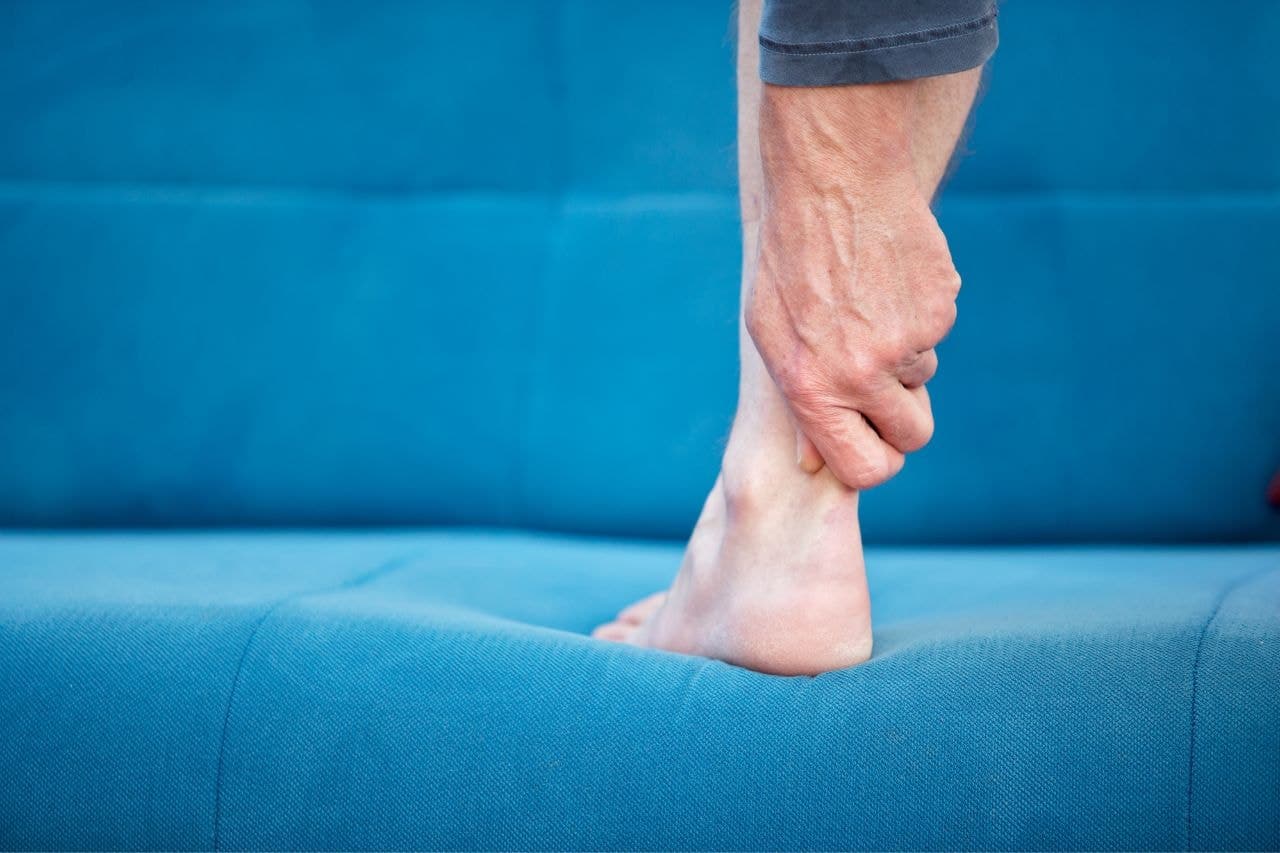
The Achilles tendon is the largest and strongest tendon in the human body. It connects the calf muscles—primarily the gastrocnemius and soleus—to the heel bone (calcaneus) and plays a central role in everyday movement. The Achilles tendon is crucial for normal walking and for allowing the foot to rise up on the toes. Walking, climbing stairs, running, jumping, and actions such as standing and walking on the toes all rely on the Achilles tendon’s ability to transmit force efficiently from the lower leg to the foot, highlighting its essential role in foot mobility and functionality.
Despite its strength, the Achilles tendon has a relatively limited blood supply compared to muscle tissue. This makes it more vulnerable to overload and slower to heal when injured. Repetitive stress, sudden increases in activity, or inadequate recovery can lead to irritation and breakdown of tendon fibres, resulting in a condition commonly referred to as Achilles tendinitis (more accurately described in many cases as Achilles tendinopathy).
Understanding how the Achilles tendon functions—and how it becomes injured—is essential for effective treatment and long-term recovery. With appropriate care, most people can return to their normal activities while reducing the risk of ongoing pain or re-injury.
Understanding Achilles Tendinitis
Achilles tendinitis is an overuse condition characterised by pain, stiffness, and reduced tolerance to load in the Achilles tendon. It commonly affects runners, court-sport athletes, hikers, and individuals whose work involves prolonged standing or repetitive lower-limb activity. However, it can also develop in people who are not particularly athletic, especially after sudden changes in activity or footwear.
Symptoms often develop gradually. Many people notice stiffness in the tendon first thing in the morning or at the start of activity, which may ease as they warm up. As the condition progresses, pain can become more persistent and may interfere with daily activities such as walking or climbing stairs.
Accurate assessment is essential. Achilles tendinitis can present similarly to other causes of heel or ankle pain, such as plantar fasciitis or bursitis. It is important to seek a professional to diagnose Achilles tendinitis accurately, as proper diagnosis is key to effective treatment. A thorough evaluation by a qualified physiotherapist or chiropractor helps identify the exact source of pain, contributing factors, and the most appropriate treatment approach. Each patient responds differently to treatment, so a personalized approach is essential for optimal recovery.
When left untreated, Achilles tendinitis can become chronic. Ongoing tendon irritation may lead to structural changes within the tendon, prolonged pain, and reduced function. Early intervention significantly improves recovery outcomes.
Causes and Risk Factors of Achilles Tendonitis
Achilles tendonitis typically develops when the load placed on the tendon exceeds its ability to adapt and recover. This imbalance can occur for several reasons.
One of the most common causes is a sudden increase in physical activity. This might include increasing running mileage too quickly, returning to sport after a break, or changing training surfaces. Tight calf muscles can also increase strain on the tendon by limiting ankle mobility and altering movement mechanics.
Footwear plays an important role as well. Shoes with inadequate support, excessive wear, or sudden changes in heel height can increase stress on the Achilles tendon. Bone spurs at the back of the heel, leg length differences, and altered foot mechanics may further contribute to tendon overload.
Age is another factor. As we get older, tendons naturally lose some elasticity and capacity to tolerate repetitive stress. Previous ankle or calf injuries can also increase the risk of developing Achilles tendon problems.
If left untreated, Achilles tendinitis can progress to tendinosis. In severe cases, ongoing degeneration or overuse can result in partial or complete ruptures of the Achilles tendon, which are serious complications requiring prompt medical attention.
Understanding these risk factors allows treatment to focus not only on symptom relief, but also on addressing the underlying causes to reduce the likelihood of recurrence.
Recognizing Symptoms of Achilles Tendinitis
Achilles tendinitis is a common overuse injury that can significantly impact your ability to stay active and pain-free. The Achilles tendon, connecting the powerful calf muscles to the heel bone, is the largest tendon in the body and is essential for walking, running, and jumping. When this tendon becomes inflamed or strained, it often signals its distress through a range of symptoms.
The most noticeable symptom of Achilles tendinitis is pain or discomfort in the affected area, typically felt at the back of the ankle just above the heel. This pain may start as a mild ache after physical activity, such as running or walking, but can progress to more severe discomfort that persists even at rest. Swelling around the tendon, stiffness—especially in the morning or after periods of inactivity—and tenderness to touch are also common. Some individuals may notice a thickening of the tendon or the development of bone spurs near the heel bone, which can further contribute to pain and limited mobility.
Tight calf muscles often play a role in the onset of symptoms, as they increase tension on the Achilles tendon and can make the area more susceptible to injury. If you are experiencing pain, swelling, or stiffness in your Achilles tendon, or if you notice that your symptoms worsen with increased physical activity, it is important to seek a professional diagnosis. Early treatment can help reduce recovery time, prevent further injury, and restore your ability to move comfortably. A healthcare provider will assess your symptoms, medical history, and activity levels to determine the best course of treatment for your specific needs.
Managing Chronic Pain Associated with Achilles Tendinitis
Chronic Achilles pain can significantly affect quality of life. Ongoing discomfort may limit exercise, disrupt work, and reduce confidence in movement. Effective management requires more than rest alone.
A structured approach typically includes activity modification, progressive loading exercises, and targeted manual therapy. Temporarily reducing aggravating activities allows the tendon to settle, but complete rest for extended periods is rarely recommended, as tendons require appropriate loading to heal.
Manual therapy techniques—such as soft tissue therapy, joint mobilisation, and guided stretching—can help reduce muscle tension, improve ankle mobility, and optimise movement patterns that reduce strain on the tendon. These approaches are commonly used alongside exercise-based rehabilitation.
In some cases, therapeutic modalities such as shockwave therapy may be used to support pain reduction and tissue healing. Pain management should always be individualised, taking into account the person’s activity level, goals, and overall health.
A multidisciplinary approach—including physical therapy, massage therapy, acupuncture, and chiropractic care—not only supports pain relief for Achilles tendinitis but also promotes overall well-being and comprehensive recovery.
Early and consistent treatment helps prevent chronic pain from becoming a long-term limitation.
Treatment Options for Achilles Tendinitis
Treatment for Achilles tendinitis generally begins with conservative, non-invasive care. Physiotherapy is considered the primary treatment for both acute and chronic Achilles tendinitis in Vancouver. Most people respond well to a comprehensive rehabilitation program when it is started early and followed consistently.
Physical therapy is a cornerstone of treatment. Specific exercises, such as eccentric heel drops, are the gold standard for managing tendonitis. These targeted strengthening and stretching exercises help reduce inflammation, promote tendon healing, and improve tendon capacity and resilience. Rest and physical therapy are essential for the quickest recovery from Achilles tendinitis. These exercises are carefully progressed to match the individual’s tolerance and stage of recovery.
Manual therapy may be included to address contributing factors such as calf muscle tightness, ankle joint stiffness, or altered lower-limb mechanics. Treatment may also involve mobility work for the foot, ankle, and knee, recognising that the Achilles tendon does not function in isolation.
Orthotics or heel lifts may be recommended in some cases to temporarily reduce tendon strain, particularly during walking or work activities. Footwear advice is often an important part of the treatment plan.
Northwest Rehab Group offers personalized physiotherapy treatment for Achilles tendinitis designed to relieve pain, reduce inflammation, and strengthen the tendon.
Surgery is rarely required and is typically considered only when prolonged, well-managed conservative care has failed to produce improvement.
Advanced Therapies and Rehabilitation Approaches
In addition to exercise and manual therapy, some clinics offer adjunctive treatments to support recovery from Achilles tendinitis.
Advanced therapies available at Northwest Rehab Group for Achilles tendinitis include Intramuscular Stimulation (IMS), which is used to release tightness in the Achilles tendon, and Shockwave Therapy, a non-invasive treatment that uses sound waves to stimulate healing. Extracorporeal Shockwave Therapy (ESWT) is another non-invasive option for chronic Achilles pain, utilizing high-energy sound waves to promote tissue repair.
Advanced rehabilitation focuses on restoring not just pain-free movement, but confidence and performance. This may include sport-specific or work-specific loading strategies, balance training, and gradual reintroduction to higher-impact activities.
A multidisciplinary approach is often beneficial. Collaboration between physiotherapists, chiropractors, and other healthcare professionals ensures that care is well-rounded and tailored to the individual. Regular reassessment allows treatment to adapt as symptoms improve and capacity increases.
The goal is not only symptom resolution, but long-term tendon health and a safe return to the activities that matter most to the individual.
Prevention and Long-Term Tendon Health
Preventing Achilles tendinitis involves managing load, maintaining mobility, and addressing risk factors before pain develops. Gradual progression in training or activity levels allows the tendon time to adapt. Regular calf strengthening and stretching help maintain tendon capacity and flexibility.
Appropriate footwear, adequate recovery, and early attention to minor symptoms can prevent small issues from becoming chronic problems. For individuals with a history of Achilles pain, ongoing maintenance exercises are often recommended as part of long-term care.
Education is a key component of prevention. Understanding how daily habits, exercise routines, and work demands affect the Achilles tendon empowers individuals to make informed decisions about their health.
When to Seek Professional Care
If Achilles pain persists for more than a few days, worsens with activity, or begins to interfere with daily life, professional assessment is advised. Severe cases of Achilles tendinitis may require longer recovery times and more intensive interventions, such as surgery. Early evaluation helps ensure an accurate diagnosis and timely treatment, reducing the risk of prolonged recovery. Treatment may take several weeks to months depending on the severity of the condition and the treatment approach.
Personalized rehabilitation for Achilles tendinitis begins with a comprehensive assessment to gauge the severity of the condition and understand the individual’s unique physical condition and lifestyle needs. A multidisciplinary approach, combining physical therapy with other treatments like massage therapy and acupuncture, can enhance recovery. Recovery from Achilles tendinopathy usually takes weeks or months with traditional treatment alone, but can be accelerated with personalized rehabilitation strategies.
A qualified practitioner can identify contributing factors, develop an individualised treatment plan, and guide a safe return to activity. Common symptoms of Achilles tendinitis include painful swelling in the back of the foot just above the heel, and symptoms often intensify after running or participating in sports. With the right approach, most cases of Achilles tendinitis can be managed effectively without invasive intervention.
Conclusion and Final Thoughts
In summary, Achilles tendinitis is a prevalent condition that affects the Achilles tendon, leading to pain, inflammation, and discomfort that can disrupt your daily life and physical activity. Whether triggered by a sudden increase in exercise, repetitive strain, or underlying factors like tight calf muscles or bone spurs, this condition requires timely attention to prevent chronic pain and long-term tendon injuries.
Effective treatment options for Achilles tendinitis include rest, targeted physical therapy, laser therapy, and the use of orthotics to support the affected area. Personalized care plans, developed by experienced healthcare professionals, are essential for addressing the root cause of your symptoms, reducing inflammation, and promoting a full recovery. By understanding the risk factors, such as overuse, tight calf muscles, and changes in activity intensity, you can take proactive steps to protect your tendon health.
Maintaining an active lifestyle is possible with the right approach. Incorporating regular exercises, stretches, and proper footwear into your routine can help reduce the risk of developing Achilles tendinitis. If you are experiencing persistent pain or discomfort, seeking a thorough diagnosis and expert guidance is crucial. In Vancouver, runners, athletes, and anyone experiencing Achilles tendon pain can benefit from the expertise of physiotherapists and other specialists who understand the unique demands of an active community.
Prioritizing your tendon health, staying informed about treatment options, and acting early when symptoms arise will help you enjoy a healthy, active lifestyle, free from the limitations of Achilles tendinitis. If you’re ready to take the next step in your recovery, book an appointment with Northwest Rehab Group for personalized care and support tailored to your needs.



0 Comments