

Arm pain can make normal activities feel difficult, from typing and lifting kids to climbing, cycling, or carrying groceries. This guide explains arm pain treatment in Vancouver, common causes, treatment methods, and when symptoms need urgent care.
Arm pain relief in Vancouver: your quickest options
Arm pain can result from a variety of causes, including overuse injuries, accidents, underlying medical conditions, and nerve compression. Early assessment helps determine the root cause before compensation, chronic irritation, or loss of function develops.
Local options include:
- physiotherapy, targeted exercise therapy, strengthening programs, and range-of-motion work
- manual therapy for muscles, joints, tendons, and tissues
- chiropractic care
- pain management injections
- specialized hand therapy with custom thermoplastic splints to support painful joints, tendons, or ligaments after injury, trauma, or surgery
Most arm pain improves with conservative care within 6–12 weeks.
Common causes of arm pain in Vancouver patients
Arm pain may start in the neck, shoulder, elbow, forearm, wrist, hand, muscles, tendons, or nerves. Factors such as repetitive motion, sports injuries, and poor posture can contribute to the development of arm pain.
Common diagnoses include:
- tennis elbow, also called lateral epicondylitis
- golfer’s elbow
- biceps or triceps tendinopathy
- muscle strains in the arm, which are common, very painful, limiting, and often caused by overuse or sudden injuries
- nerve compression, including ulnar neuropathy and thoracic outlet syndrome
- referred pain from the neck or shoulder, including adhesive capsulitis
Triggers include tech work, creative desk jobs, racquet sports, climbing gyms, cycling, rowing, and False Creek or Stanley Park activity. Inflammatory causes such as rheumatoid arthritis and osteoarthritis differ from acute sports injuries because inflammation, swelling, and systemic symptoms may occur. Accurate diagnosis matters because nerve pain, tendon overload, and arthritis require different treatments.
Elbow pain: tennis elbow, golfer’s elbow & other conditions
Elbow pain is one of the most common reasons Vancouver adults seek arm pain treatment. Tennis elbow causes outer elbow pain, usually in people aged 30–55, from typing, manual work, racquet sports, or repetitive gripping.
Golfer’s elbow causes inner elbow pain in golfers, pitchers, tradespeople, lifters, and parents who repeatedly lift children. Other elbow issues include ulnar neuropathy at the elbow, also known as cubital tunnel syndrome, and radial head subluxation, or nursemaid’s elbow, in children.
Early care usually means activity changes, specific exercises, bracing, manual therapy, and rehabilitation exercises rather than immediate surgery.
How elbow pain is assessed in a Vancouver clinic
A 45-minute visit starts with your story: work tasks, sports, onset date, severity, swelling, sensation changes, and what relieves or worsens pain. The clinician palpates tendons, tests grip, checks motion, and compares strength.
Imaging such as X-ray, ultrasound, or MRI is usually saved for persistent pain, suspected tears, or unclear diagnosis.
Arm pain treatment options in Vancouver BC
Effective treatment options for arm pain target underlying causes like muscle strains, nerve compressions, and joint issues. Targeted physical therapy is the primary treatment for most upper arm pain-related issues, focusing on manual therapy and custom-moulded support.
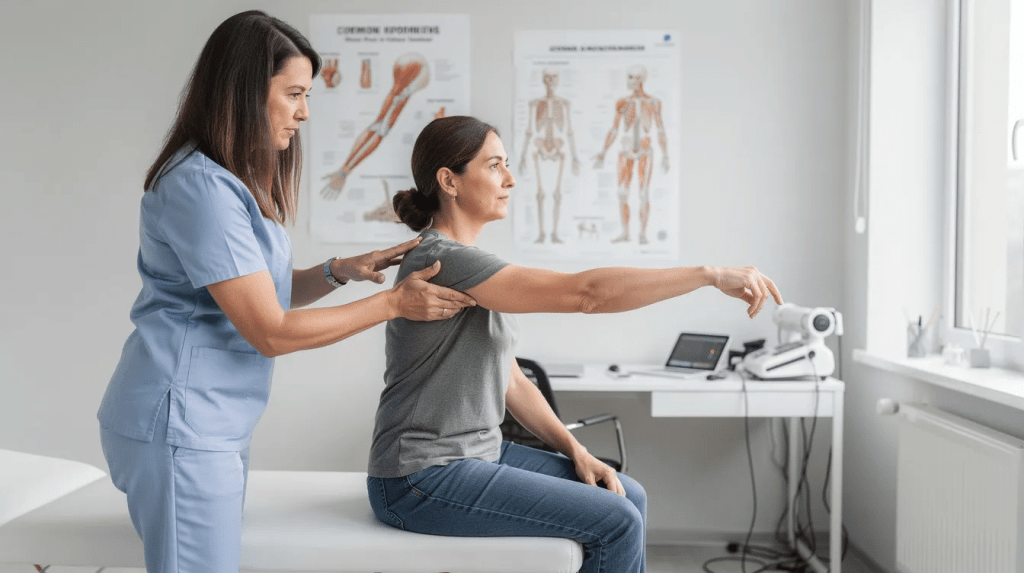
Physiotherapy uses hands-on manual therapy and personalized exercises to increase circulation, improve mobility, relieve pain, restore function, and prevent future injuries. A personalized treatment plan is essential because recovery time varies widely by cause and severity.
Manual therapy techniques, including muscle release techniques, passive stretching, targeted stretches, and joint mobilizations, reduce stiffness, and improve range of motion.
Chiropractic care may help when the goal is to reduce pressure on irritated spinal structures. Intramuscular Stimulation (IMS) and Dry Needling use fine acupuncture needles in tight muscle knots to release tension.
Arm pain from nerves, posture and the neck
Many patients are surprised when arm pain is nerve-related rather than a simple strain. Nerve compression, such as ulnar neuropathy, can cause numbness and tingling in the arm, leading to pain.
Treatment for ulnar neuropathy, or cubital tunnel syndrome, often involves bracing, ergonomic adjustments, and specific exercises to relieve pressure on the ulnar nerve. Thoracic outlet syndrome results from compression of nerves or blood vessels between the collarbone and the first rib, leading to pain and discomfort in the arm. Brachial plexus injuries can cause weakness, loss of sensation, or paralysis in the arm, requiring specialized rehabilitation programs for recovery.
Cervical radiculopathy can send sharp, burning, pins-and-needles pain into the arm and hand; research notes radiating arm symptoms are very common in cervical radiculopathy (source). Ergonomic assessments are provided by many clinics to evaluate workplace and lifestyle posture and prevent repetitive strain. Care may include nerve gliding, postural retraining, manual therapy, targeted injections, or decompression-focused chiropractic care.
Rheumatoid arthritis and inflammatory causes of arm pain
Rheumatoid arthritis is an autoimmune condition affecting wrists, elbows, and small hand joints, often in patients aged 30–60. Symptoms include morning stiffness for over 30 minutes, swelling in multiple joints, fatigue, and symmetrical pain.
Early referral to a Vancouver rheumatologist or doctor is important for disease-modifying medications. Physiotherapy and hand therapy work closely with physicians to preserve motion, support flare management, and keep life as pain-free as possible.
What to expect during arm pain treatment at a clinic in Vancouver
Your journey usually starts with a phone or online appointment at a clinic in Vancouver. The first consultation includes history, pain mapping, functional testing, plain-language education, and a plan to treat the root problem.
The treatment plan may combine manual therapy, exercises, activity modification, home care, and ergonomic advice. Repetitive strain injuries (RSIs) in the arm can result from overuse, causing pain and, in some cases, even disability. Repetitive strain injuries (RSIs) can be treated through activity modification, ergonomic advice, and targeted exercises to reduce strain and restore normal arm function.
Visits may be 1–2 times weekly for 4–6 weeks, with progress tracked through pain scores, strength, range of motion, and tasks like typing, lifting, or sports. Clinics coordinate with family physicians, imaging centres, surgeons, or rheumatologists when needed.
Recovery timelines and realistic expectations
Minor strains often improve in 2–4 weeks. Tendon problems like tennis elbow may take 8–16 weeks. Nerve-related cases can take several months, especially when symptoms are chronic.
A recreational tennis player may return gradually to activities over 12 weeks with progressive loading. Severe tears, fractures, advanced arthritis, or compartment syndrome may need interventional or surgical input. Compartment syndrome is characterized by increased pressure within a muscle compartment in the arm, which can be acute or chronic and requires specific treatment approaches.
When to seek urgent medical care for arm pain
Some symptoms need same-day or emergency care, not a routine appointment. Call 911 or go to St. Paul’s Hospital or Vancouver General Hospital for chest pain spreading to the left arm, sudden severe pain after trauma, deformity, loss of pulse, cold fingers, or inability to move fingers.
Also seek urgent care for acute compartment syndrome signs: escalating severe pain, tightness, numbness, or infection signs such as redness, warmth, fever, and rapidly worsening swelling. For non-urgent but worrying symptoms, see a family doctor or walk-in clinic within 24–48 hours.
Getting started: choosing the right arm pain clinic in Vancouver
Do not ignore persistent arm or elbow pain longer than 2–3 weeks. Look for services with upper-extremity experience, exercise-based rehab, manual therapy, and links to pain management.
To get started, contact Northwest Rehab Group and schedule an assessment so you can return to work, sports, and daily activities with less pain and fewer medications.


0 Comments