
Dry Needling Vancouver
Led by experienced physiotherapists, our team uses dry needling to release overactive tissues, alleviate discomfort, and enhance flexibility and musculoskeletal balance.
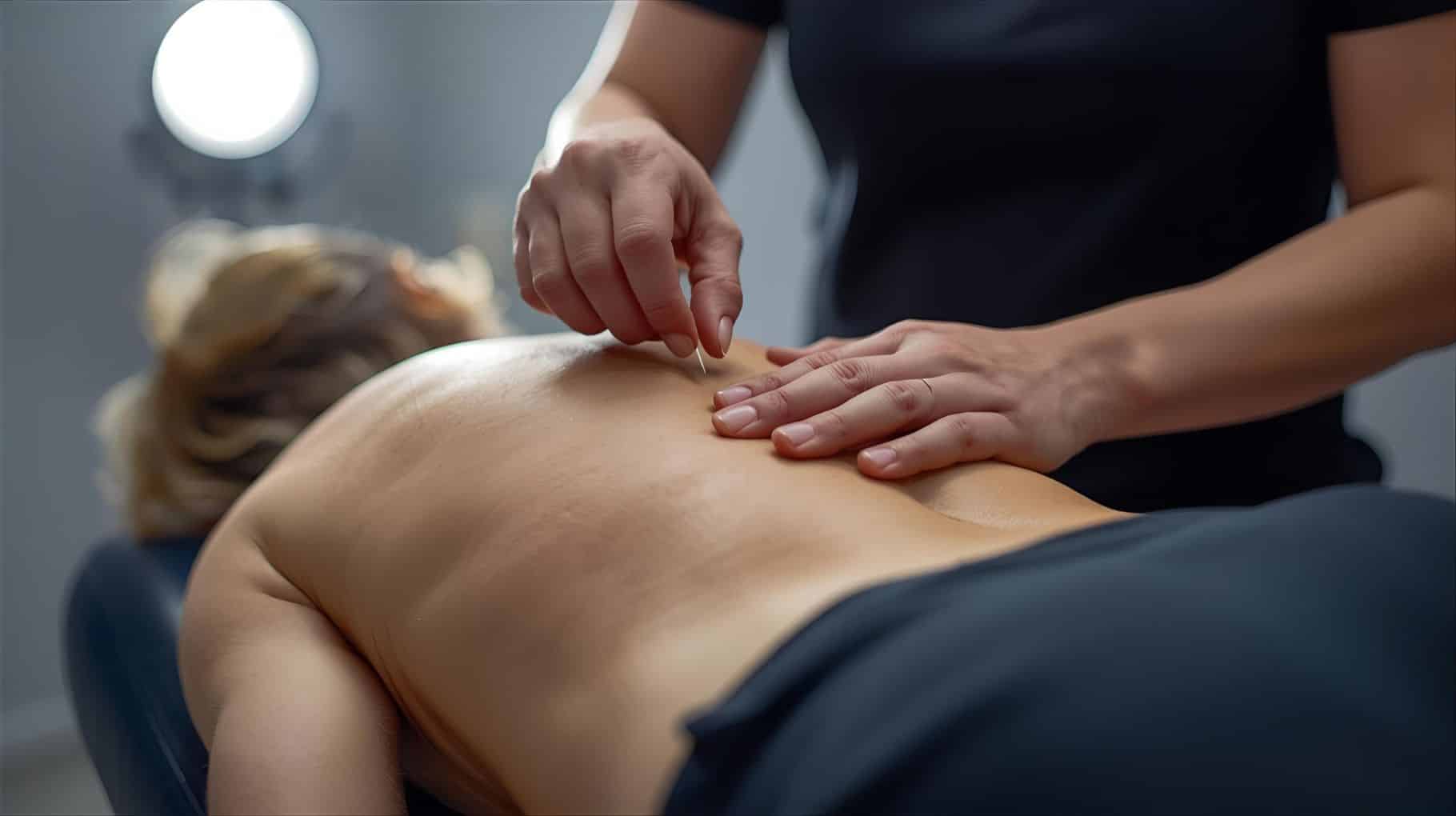
What is Dry Needling?
Dry needling is a therapeutic technique used by trained practitioners to target tight bands of muscle, sometimes called “trigger points,” that can contribute to pain and restricted movement. A fine, sterile needle is gently inserted into the muscle tissue to stimulate a natural release response. This can help reduce tension, ease discomfort, and support recovery.
How Does Dry Needling Work?
When a muscle becomes overactive or irritated, it may form a trigger point that feels like a knot or tender spot. Inserting a fine needle into this area can cause the muscle to relax, improve local blood flow, and restore normal movement patterns.
While dry needling uses similar instruments to acupuncture, the approach is based on modern understanding of muscle physiology and pain mechanisms rather than traditional Chinese medicine.
What to Expect
Why Consider Dry Needling?
Dry needling is an effective technique for addressing muscle tightness and trigger points that may contribute to pain, restricted movement, or recurring strain. It provides relief by releasing tension in overactive tissues, helping to restore mobility, reduce the risk of further irritation, and support overall recovery. By targeting these problem areas directly, individuals can experience meaningful improvements in daily function and athletic performance through personalized therapeutic care.
For a tailored treatment approach, dry needling can play a pivotal role in managing musculoskeletal pain, restoring movement, and enhancing quality of life.
F.A.Q.s
Learn about our dry needling Vancouver services, designed to address specific health conditions and improve recovery.
What is dry needling and how does it help with pain and muscle tension?
Dry needling is a modern and effective approach that uses thin, sterile needles to target tight muscles and myofascial trigger points. When a tense muscle band is stimulated, it can produce a cramping sensation or mild twitch, which helps release tension and improve muscle function. This process promotes better blood circulation, decreases tightness, and supports long-term recovery. For many people, dry needling therapy provides significant improvements in mobility and helps relieve pain caused by sore muscles, overuse, or musculoskeletal conditions.
What is intramuscular stimulation (IMS) and how is it different from dry needling?
Intramuscular stimulation (IMS), also known as Gunn IMS after Dr. Chan Gunn who developed the method, is a specialized form of dry needling grounded in western medicine principles. Dry needling IMS involves the insertion of fine needles into shortened or overactive muscles that contribute to chronic pain. While both techniques aim to release myofascial trigger points and restore muscle balance, Gunn intramuscular stimulation places a strong emphasis on neuropathic pain and chronic pain conditions that do not always respond well to other treatments. IMS treatment often involves multiple advances of the needle into different sites to release tight muscles and reduce pain.
Does dry needling IMS hurt?
Most people experience minimal discomfort during an IMS appointment. Needle insertion may cause a dull ache, mild muscle soreness, or occasional twitching occurs when the needle stimulates a myofascial trigger point. Some individuals may notice a brief cramping sensation or mild bruising at the needle site, but these effects typically resolve quickly. Very few individuals report adverse effects, and dry needling IMS is considered safe when performed by a licensed physiotherapist. The benefits—such as pain relief, improved mobility, and decreasing tightness—often outweigh the temporary discomfort.
Who can benefit from dry needling IMS treatment?
Dry needling therapy can be helpful for people with muscular issues, sore muscles, or chronic pain conditions. It is often used as an effective alternative treatment when pain holds back daily function or athletic performance. Conditions such as neuropathic pain, tension headaches, back pain, or restricted movement caused by trigger points may respond well. Because a comprehensive assessment is performed before treatment, your practitioner will review your medical history to ensure IMS is appropriate and safe for your needs.
Is dry needling IMS safe and are there any side effects?
Yes, dry needling IMS is generally safe and involves very few adverse effects when carried out by a trained and licensed physiotherapist. Most patients only experience mild discomfort or sore muscles afterward, similar to post-exercise soreness. Some people report mild bruising or a dull ache around the needle site, but these sensations typically fade within 24–48 hours. With techniques utilized under modern safety standards, dry needling IMS is a low-risk procedure that can deliver significant improvements in pain relief and muscle function.
Are IMS treatments covered by extended health plans?
Most extended health plans and insurance plans offer coverage for dry needling IMS when provided by a licensed physiotherapist. After your IMS appointment, you will receive a medical receipt that can be submitted for reimbursement. If you’re unsure about your specific coverage, our team can guide you on how to confirm details with your provider before starting treatment.
Why choose dry needling IMS at Northwest Rehab Group?
At Northwest Rehab Group, you can access physiotherapy and chiropractic care under the same roof at convenient locations in Vancouver and North Vancouver. Our practitioners combine dry needling IMS with manual therapy, exercise prescription, and other evidence-informed treatments to ensure comprehensive care. This integrated approach not only helps relieve muscle pain and tension but also supports long-term recovery from chronic pain and musculoskeletal conditions. Patients often experience significant improvements in mobility, decreased tightness, and sustained pain relief as part of their individualized plan.
What can I expect during a dry needling IMS treatment session?
During your IMS appointment, a comprehensive assessment is performed first to review your medical history, discuss your symptoms, and identify areas of muscle pain or tension. The licensed physiotherapist then uses thin needles for precise needle insertion into overactive or shortened muscles. You may feel mild discomfort, a dull ache, or occasional twitching occurs as the tense muscle band responds to treatment. These sensations are normal and indicate that the needle has reached a myofascial trigger point. While dry needling IMS involves minimal discomfort, it is highly effective in helping relieve pain, reduce muscle tightness, and improve mobility. After treatment, very few individuals experience anything beyond mild muscle soreness or slight bruising, and most patients report significant improvements in function and lasting pain relief.
If you have further questions or if our FAQs didn’t cover your concerns, please reach out to us directly. We’re here to assist you.