
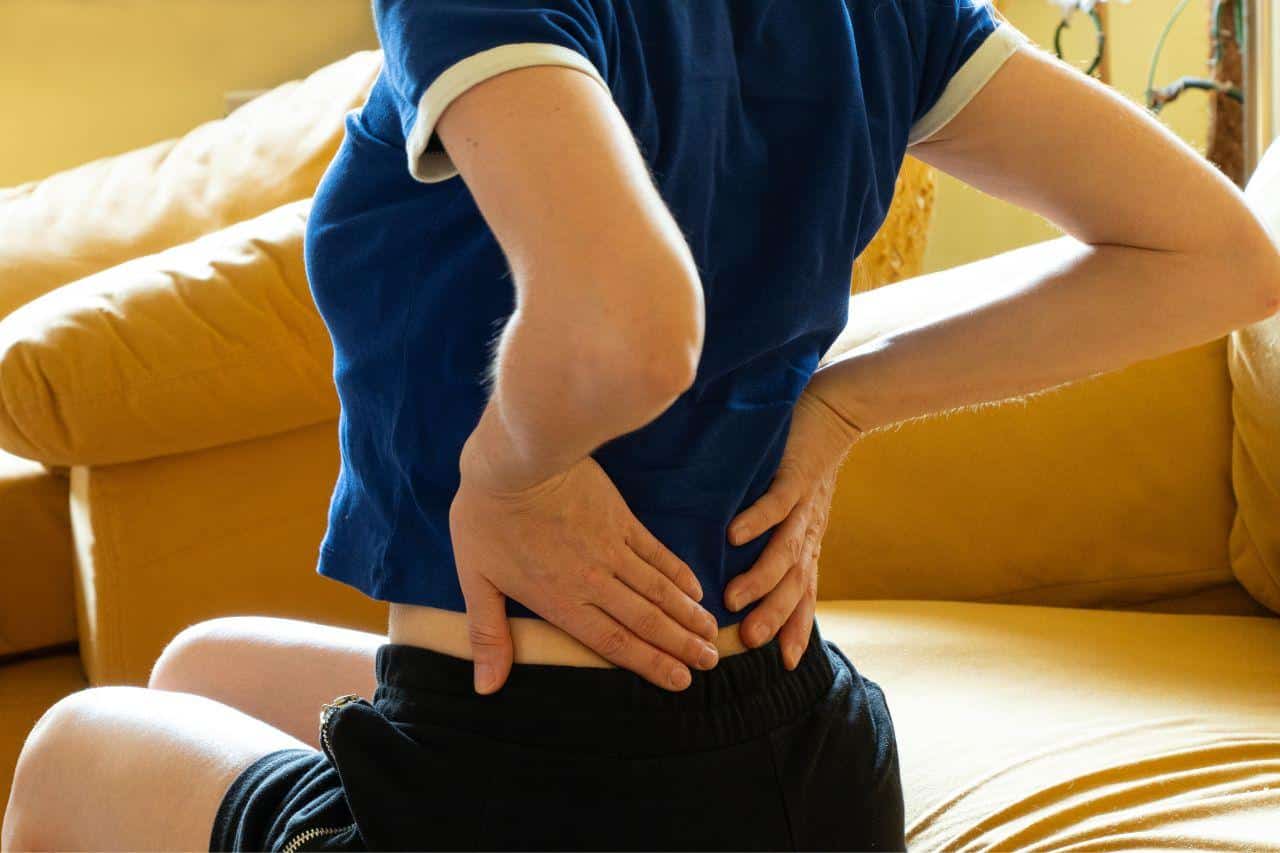
Acute low back pain can be disruptive, painful, and alarming—especially when symptoms come on suddenly and affect your ability to work, move, or sleep, since the lower back supports the upper body and bears much of the body’s weight. For many people, prompt assessment and early management can help reduce pain, restore function, and lower the risk of symptoms becoming persistent. In Vancouver, there are several pathways to access rapid assessment for acute low back pain, including primary care, urgent assessment pathways, and multidisciplinary clinics offering conservative treatment options.
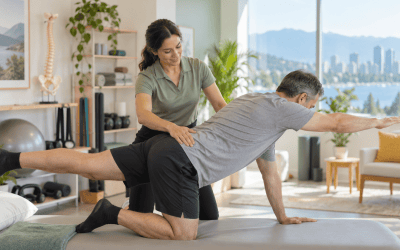
At Northwest Rehab Group, patients can access evidence-based care through a combination of therapies such as physiotherapy, chiropractic care, massage therapy, acupuncture, and rehabilitation planning tailored to the cause and severity of symptoms. Manual therapy may include adjustments, mobilizations, soft tissue treatment, stretching, and other approaches as clinically appropriate.
Regional Rapid Access Clinics for Low Back Pain
Rapid access spine and musculoskeletal assessment programs are designed to help people with acute or worsening low back pain receive timely triage and determine whether specialist input is needed.
These clinics may help:
- Screen for serious pathology
- Identify whether symptoms are mechanical, nerve-related, or inflammatory
- Reduce unnecessary imaging
- Direct patients to appropriate rehabilitation or specialist pathways
Regional access options in Vancouver may include:
- Hospital-affiliated spine or rapid access assessment pathways (typically accessed through referral)
- Primary care and urgent primary care centres
- Multidisciplinary rehabilitation clinics for prompt conservative care
Depending on urgency and referral route, wait times may range from a few days for community assessment to several weeks for specialist pathways. Patients with severe neurological symptoms or red flags may be triaged more urgently.
Understanding Acute Low Back Pain
Acute low back pain generally refers to symptoms lasting less than six weeks. It may begin suddenly after lifting, bending, sport, prolonged sitting, or sometimes with no obvious trigger. In most cases, the exact cause of low back pain is not identified.
Acute pain differs from chronic low back pain, which typically persists beyond 12 weeks and may involve more complex contributors, including deconditioning, sensitization, or ongoing structural and lifestyle factors.
Many acute episodes improve substantially with early management. Most acute pain improves on its own with activity, but clinics often utilize heat/ice, manual therapy, and therapeutic exercises as part of the treatment approach.
Common Causes of Low Back Pain
Low back pain can arise from multiple sources. It can be caused by overuse, injury, illness, or age-related changes such as arthritis. The back muscles play a crucial role in supporting the spine and preventing pain, and issues such as muscle strain or acute injuries can lead to discomfort. In some cases, a sudden injury may result in a muscle tear, causing immediate and significant pain.
Mechanical causes
Common mechanical causes include:
- Muscle strain
- Ligament sprain
- Joint irritation
- Facet-related pain
- Disc irritation
- Movement dysfunction or poor load tolerance
- Poor posture, which can lead to musculoskeletal imbalances and chronic discomfort
Age-related or degenerative contributors
Some individuals may also have age-related findings such as arthritis, including:
- Degeneration of spinal discs, such as flattening or bulging, which can contribute to pain
- Degeneration of spinal joints, including facet joints, leading to discomfort and nerve compression
- Mild spinal osteoarthritis
- Facet degeneration
- Spinal stenosis changes (more common in older adults)
These findings do not always cause pain, but they can contribute in some cases. Chronic low back pain often results from natural changes in the body, such as flattening and bulging of spinal discs with age, which can strain vertebral joints and pinch nerve roots.
Overuse and injury causes
Low back pain may also follow:
- Sports injuries
- Workplace strain
- Repetitive bending or lifting
- Motor vehicle collisions
- Sudden increases in training load
- Herniated discs, which can compress nerves and cause acute pain and neurological symptoms
- Vertebrae injuries or displacements, where stressed or dislodged vertebrae contribute to musculoskeletal issues and nerve compression in the lower back region
- Acute muscle or ligament tears
Symptoms of Lower Back Pain to Watch For
Common symptoms may include:
- Localized lower back pain
- Stiffness or guarding
- Pain with bending, sitting, standing, or walking
- Muscle spasm
- Difficulty changing positions
Symptoms suggesting nerve involvement
Pain extending into the leg (leg pain) may indicate nerve irritation, particularly if accompanied by:
- Numbness
- Tingling
- Burning pain
- Weakness
- Pain below the knee
- Symptoms aggravated by coughing or prolonged sitting
Red flags requiring urgent assessment
Seek urgent medical assessment if symptoms include:
- Loss of bowel or bladder control
- Progressive leg weakness
- Saddle numbness
- Significant trauma
- Fever with severe back pain
- Unexplained weight loss
- Suspected fracture
- History of cancer with new severe back pain
How Acute Low Back Pain Is Diagnosed
Assessment usually begins with a detailed history and physical examination. A doctor can help diagnose the cause of low back pain and guide appropriate treatment.
This may include evaluation of:
- Symptom onset
- Pain behaviour
- Neurological signs
- Strength and reflexes
- Range of motion
- Functional movement
- Provocative testing
A careful physical examination is important before applying treatment, and care decisions should be guided by clinical findings.
When imaging may be recommended
Imaging is not routinely required for most uncomplicated acute low back pain.
It may be considered when:
- Serious pathology is suspected
- Symptoms persist despite appropriate care
- Progressive neurological findings are present
- Surgical or specialist decisions may depend on imaging
If pain lasts more than 6 weeks, imaging such as X-rays, CT scans, or MRIs may be considered to help diagnose the cause.
Specialist referral
Referral may be appropriate for:
- Suspected nerve root compromise
- Complex or worsening presentations
- Failure to improve with conservative care
- Suspected inflammatory or structural pathology
Treatment Options for Back Pain in Vancouver
Most acute low back pain improves through non-surgical management. The most effective treatment options for acute low back pain focus on active, non-pharmacological care, with 90% of cases resolving within 2–4 weeks. Clinics offering multidisciplinary access with several specialists under one roof are considered more effective than single-modality treatment. Most low back pain improves with self-care, including ice or heat application, light activity such as walking, and over-the-counter pain medication as needed. Common non-surgical treatments for lower back pain include acupuncture, massage, and yoga, which may be used in combination for better results. Self-care methods such as applying ice or heat and engaging in light activities like walking are often effective for managing lower back pain without surgery.
A stepwise approach often includes:
- Early assessment
- Symptom management
- Movement restoration
- Progressive rehabilitation
- Escalation only when clinically indicated
A combination of treatments, including chiropractic therapy and other treatment options such as acupuncture, massage, and physiotherapy, may be used to manage symptoms and improve function.
Conservative care is typically the first-line approach before considering invasive options.
Primary Care Providers and Initial Management
Primary care providers can help assess symptoms early, provide medication advice when appropriate, and coordinate referrals.
Basic self-care strategies may include:
- Relative activity modification (not prolonged bed rest)
- Heat for muscle tension
- Walking within tolerance
- Gentle mobility exercises
- Avoiding repeated aggravating loads
Prescription medication may occasionally be considered for short-term symptom control when appropriate.
Chiropractic Care and Manual Therapies
Chiropractic care is one conservative option available in Vancouver for acute low back pain. A chiropractor is a qualified practitioner who can provide manual therapies to address spinal misalignments and alleviate lower back pain.
Manual therapy may help support:
- Pain reduction
- Reduced muscle guarding
- Improved joint mobility
- Improved movement tolerance
- Short-term symptom relief
- Relief of pressure on nerves and improved nerve function
Care may include:
- Mobilizations
- Soft tissue therapy
- Modalities to reduce pain
- Stretching approaches
- Movement-based treatment
Combining manual therapy with exercise is often more effective than passive care alone. Chiropractic assessment and care should be guided by clinical need, and imaging is not used routinely without indication.
Physiotherapy, Exercise, and Active Rehabilitation
Physiotherapy, also known as physical therapy, often plays a role in recovery. Higher-rated clinics often focus on personalized physiotherapy, including manual therapy and Intramuscular Stimulation (IMS).
Treatment may include:
- Supervised exercise programs
- Mobility restoration
- Core and trunk endurance training
- Graded exposure to activity
- Functional return-to-work or sport planning
Graded return to function
Recovery often benefits from progressive loading rather than avoidance.
This may include:
- Walking progression
- Movement reintroduction
- Strength progression
- Activity pacing
Home exercise instruction can support ongoing recovery between visits.
Medications and Pain Management Strategies
Medication may sometimes support short-term pain control.
Options may include:
- Non-opioid analgesics
- Anti-inflammatory medications where appropriate
- Short-term symptom-modifying strategies guided by a prescriber
Opioids are generally not first-line for routine acute low back pain.
Specialist pain management may be considered when symptoms are severe, persistent, or more complex.
Imaging, Referrals, and When To Escalate Care
When MRI or CT may be indicated
Advanced imaging may be considered if:
- Significant nerve compression is suspected
- Symptoms worsen despite care
- Serious pathology is suspected
- Surgical consultation is being considered
Referral triggers
Referral to specialists may be appropriate for:
- Progressive neurological deficits
- Persistent disabling symptoms
- Failed conservative treatment
- Complex diagnostic uncertainty
Specialist timelines vary based on urgency and referral pathway.
Personalized Management Plans for Acute to Chronic Pain
Effective care is often individualized.
Management plans may include:
- Pain reduction goals
- Functional recovery targets
- Reassessment timelines
- Exercise progression
- Work or activity modifications
- Self-management strategies
Plans should evolve as symptoms change.
Preventing Transition To Chronic Low Back Pain
Early intervention matters.
Factors associated with persistent pain may include:
- Delayed return to activity
- Fear of movement
- Poorly managed pain
- Recurrent episodes
- High physical job demands
- Psychosocial stressors
Strategies to reduce chronicity risk include:
- Early assessment
- Active rehabilitation
- Education and reassurance
- Appropriate follow-up
- Progress monitoring
Follow-up may be important if symptoms are not improving within expected timeframes.
Local Resources, Referrals, and Access in Vancouver
Patients may access support through:
- Primary care providers
- Urgent primary care centres
- Community physiotherapy clinics
- Chiropractic and multidisciplinary rehabilitation clinics
- Pain management services where indicated
At Northwest Rehab Group, care may involve coordinated management across physiotherapy, chiropractic therapy, massage therapy, acupuncture, and rehabilitation planning, depending on presentation.
Frequently Asked Questions
When is imaging necessary?
Imaging is usually reserved for red flags, neurological concerns, trauma, or symptoms not improving as expected.
How long does acute low back pain take to recover?
Many acute episodes improve significantly within a few days to several weeks, though recovery timelines vary.
When should I seek emergency care?
Seek urgent medical attention for:
- Loss of bladder or bowel control
- Severe or worsening leg weakness
- Saddle numbness
- Severe trauma
- Fever with severe back pain
Next Steps and How To Book Care
If you have acute low back pain, early assessment may help guide the right treatment and reduce the risk of symptoms becoming persistent.
You may:
- Book an assessment with a rehabilitation provider
- Seek urgent assessment if red flags are present
- Start conservative care early to support recovery
To book an appointment at Northwest Rehab Group, contact the clinic at:
Address: 2830 Main St, Vancouver, BC V5T 3G2
Phone: (604) 875-9779
Online Booking: Jane App
Early evaluation can help you move toward recovery with a clearer plan.


0 Comments