

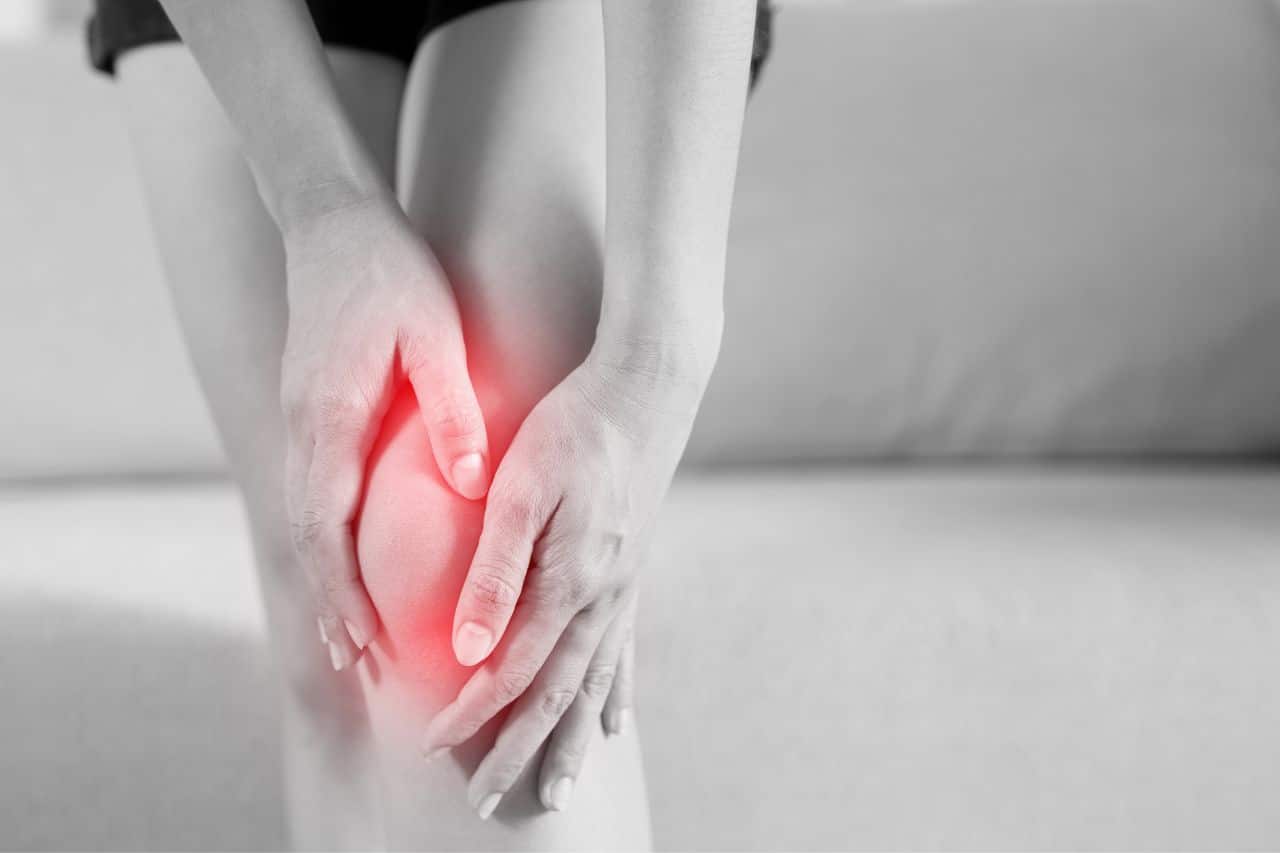
Knee pain is a prevalent issue that affects individuals of all ages and activity levels. It can stem from a variety of causes, ranging from acute injuries to chronic conditions that cause knee pain. Understanding the underlying factors contributing to knee pain is essential for effective management and treatment.
The knee joint, being one of the largest and most complex joints in the body, is susceptible to wear and tear, inflammation, and injury. As such, it is crucial to identify the specific cause of pain to tailor an appropriate treatment plan. The knee is composed of bones, cartilage, ligaments, and tendons, all of which can be affected by different conditions.
Common causes include osteoarthritis, rheumatoid arthritis, ligament injuries, meniscus tears, and bursitis. Each of these conditions presents unique challenges and requires a distinct approach to treatment. By gaining insight into the various causes of knee pain, individuals can better navigate their options for relief and recovery.
Key Takeaways
Common causes of knee pain include arthritis, ligament injuries, meniscus tears, and overuse injuries.
Recognizing symptoms of knee pain such as swelling, stiffness, instability, and difficulty bearing weight is crucial for early intervention.
Knee pain can significantly impact daily life, leading to limitations in mobility, difficulty with activities of daily living, and decreased quality of life.
Non-surgical treatment options for knee pain include physical therapy, medications, injections, and bracing to help manage symptoms and improve function.
Surgical interventions for chronic knee pain may include arthroscopic procedures, partial or total knee replacement, and ligament reconstruction to address underlying issues and improve pain and function.
What is Knee Pain?
Knee pain is a common symptom that can affect individuals of all ages, from children to older adults. It can arise from a variety of factors, including injuries, overuse, and underlying medical conditions. The severity of knee pain can range from mild discomfort to severe pain that significantly impacts daily activities. Acute knee pain often results from a sudden injury or trauma, such as a fall or sports-related incident. In contrast, chronic knee pain typically develops over time due to long-term wear and tear on the knee joint, often associated with conditions like osteoarthritis. Understanding the nature of your knee pain is the first step towards finding effective relief and treatment.
Knee Anatomy and Structure
The knee joint is a marvel of human anatomy, designed to support a wide range of movements while bearing the body’s weight. It is created at the junction of three primary bones: the femur (in the thigh), the tibia (in the shin), and the patella (knee cap). These bones are held together by a network of ligaments, including the anterior cruciate ligament (ACL), posterior cruciate ligament (PCL), medial collateral ligament (MCL), and lateral collateral ligament (LCL). These ligaments provide stability and control the motion of the knee. Additionally, the knee joint contains two types of cartilage: hyaline cartilage, which covers the ends of the bones to reduce friction, and fibrocartilage, found in the menisci, which acts as a shock absorber and helps distribute pressure evenly across the joint. This intricate structure allows the knee to perform complex movements while maintaining stability and strength.
Common Causes of Knee Pain, Including Rheumatoid Arthritis
One of the most common causes of knee pain is osteoarthritis, a degenerative joint disease characterized by the breakdown of cartilage. This condition often develops gradually over time and is more prevalent in older adults. As the cartilage wears away, bones may begin to rub against each other, leading to pain, swelling, and stiffness. Knee arthritis can significantly impact daily activities, making it difficult for individuals to perform routine tasks.
Individuals with osteoarthritis may experience increased discomfort during physical activity or after prolonged periods of inactivity. In addition to osteoarthritis, acute injuries such as ligament tears or meniscus injuries can result in sudden and severe knee pain. Athletes are particularly susceptible to these types of injuries due to the high-impact nature of their activities. Anterior cruciate ligament injuries are especially relevant in orthopedic sports medicine, often requiring surgical intervention and extensive rehabilitation.
Knee injuries encompass a broad category that includes various types such as sprains, strains, and tears. These injuries can occur not only in sports contexts but also in everyday life, emphasizing the commonality of knee pain across different activities. For instance, patellofemoral pain syndrome is a specific condition affecting young adults, characterized by pain around the kneecap during activities like climbing stairs and squatting. Recognizing these common causes is vital for individuals seeking to understand their knee pain and pursue appropriate treatment options.
Recognizing Symptoms of Knee Pain
Symptoms associated with knee pain can vary widely depending on the underlying cause. Common indicators include swelling, stiffness, and a reduced range of motion. Individuals may also experience a sensation of warmth around the joint or hear a popping or grinding noise when moving the knee. Symptoms can also vary depending on the type of knee injury, with different injuries presenting unique challenges and signs.
These symptoms can significantly impact daily activities, making it essential for individuals to pay attention to their bodies and seek medical advice when necessary. In some cases, knee pain may be accompanied by other symptoms such as fever or redness around the joint, which could indicate an infection or inflammatory condition. It is crucial for individuals to differentiate between mild discomfort that may resolve with rest and more severe symptoms that warrant professional evaluation.
Early recognition of symptoms can lead to timely intervention and potentially prevent further complications. For more information, visit https://versusarthritis.org/about-arthritis/conditions/knee-pain/
Diagnosing Knee Problems
Diagnosing knee problems involves a thorough evaluation by a healthcare professional. The process typically begins with a detailed medical history and a physical examination. During the examination, the doctor will check for signs of swelling, redness, and warmth around the knee, as well as assess the range of motion and strength of the joint. Diagnostic tests are often necessary to gain a clearer understanding of the underlying issue. X-rays can reveal bone abnormalities, while magnetic resonance imaging (MRI) and computed tomography (CT) scans provide detailed images of the soft tissues, including ligaments, tendons, and cartilage. In some cases, arthroscopy, a minimally invasive procedure, may be used to directly visualize the inside of the knee joint. Blood tests might also be ordered to rule out infections or inflammatory conditions. Accurate diagnosis is crucial for developing an effective treatment plan tailored to the specific knee problem.
Understanding the Impact of Knee Pain on Daily Life
Knee pain can have a profound effect on an individual’s quality of life. Simple tasks such as walking, climbing stairs, or even sitting for extended periods can become challenging when experiencing discomfort in the knee joint. This limitation can lead to decreased physical activity, which may contribute to weight gain and further exacerbate knee issues.
The psychological effects should not be underestimated, as chronic pain can contribute to frustration, anxiety, and depression. Moreover, the social implications of knee pain can be significant. Individuals may find themselves avoiding social activities or hobbies they once enjoyed due to fear of exacerbating their condition.
This withdrawal can lead to isolation and a decline in overall well-being. Understanding the broader impact of knee pain is essential for both patients and healthcare providers in developing comprehensive treatment plans that address not only the physical but also the emotional aspects of living with chronic pain.
Exploring Non-Surgical Treatment Options for Knee Pain, Including Knee Braces
Non-surgical treatment options for knee pain are often the first line of defense for managing discomfort and improving function. Physical therapy is a common approach that focuses on strengthening the muscles surrounding the knee joint, enhancing flexibility, and improving overall mobility. A physical therapist can design a personalized exercise program tailored to an individual’s specific needs and limitations. Miller’s Orthopaedic Sports Medicine is a key resource for understanding non-surgical treatment options and managing various orthopedic sports conditions.
In addition to physical therapy, other non-invasive treatments include medications such as nonsteroidal anti-inflammatory drugs (NSAIDs) to alleviate pain and reduce inflammation. Corticosteroid injections may also be considered for individuals experiencing significant swelling or discomfort. Furthermore, lifestyle modifications such as weight management and low-impact exercises like swimming or cycling can play a crucial role in reducing stress on the knees while promoting overall health.
Surgical Interventions for Chronic Knee Pain
Arthroscopy: A Minimally Invasive Solution
A common procedure is arthroscopy, a minimally invasive technique in which surgeons use small incisions to visualize and repair damaged structures within the knee joint. This approach can be effective for addressing issues such as meniscus tears or loose cartilage.
Knee Replacement Surgery: A Last Resort
In more severe cases, total or partial knee replacement surgery may be recommended for individuals suffering from advanced osteoarthritis or significant joint damage. During this procedure, damaged bone and cartilage are removed and replaced with artificial components designed to restore function and alleviate pain.
Improving Quality of Life
While surgery carries inherent risks, many patients experience substantial improvements in their quality of life following these interventions.
Lifestyle Changes to Manage Knee Pain
Making lifestyle changes can significantly impact the management of knee pain. Maintaining a healthy weight is one of the most effective strategies for reducing stress on the knees. Even modest weight loss can lead to noticeable improvements in pain levels and mobility for individuals with osteoarthritis or other degenerative conditions.
Incorporating low-impact exercises into daily routines can also help strengthen muscles without placing excessive strain on the joints. Additionally, adopting ergonomic practices in daily activities can minimize knee stress. For instance, using proper techniques when lifting heavy objects or ensuring that workspaces are designed to promote good posture can help prevent further injury.
Furthermore, incorporating flexibility exercises such as yoga or stretching routines can enhance joint mobility and reduce stiffness over time.
Preventing Knee Pain
Preventing knee pain involves adopting a proactive approach to maintain knee health. One of the most effective strategies is maintaining a healthy weight, as excess weight can place additional stress on the knee joint, leading to pain and degeneration over time. Regular exercise is also essential, particularly activities that strengthen the muscles around the knee, such as quadriceps and hamstring exercises. Low-impact exercises like swimming and cycling are excellent choices as they provide cardiovascular benefits without putting undue strain on the knees. Wearing proper footwear that provides adequate support and cushioning can help prevent knee pain, especially during physical activities. Additionally, using knee braces or orthotics can offer extra support and stability, particularly for individuals with existing knee issues. Avoiding activities that exacerbate knee pain and taking regular breaks to rest and stretch can further help in preventing knee pain. By incorporating these lifestyle changes, individuals can significantly reduce their risk of developing knee problems.
Seeking Professional Help for Persistent Knee Pain
For individuals experiencing persistent knee pain that does not improve with self-care measures or over-the-counter treatments, seeking professional help is crucial. A healthcare provider can conduct a thorough evaluation to determine the underlying cause of the pain and recommend appropriate diagnostic tests if necessary. This may include imaging studies such as X-rays or MRIs to assess joint integrity.
Once a diagnosis is established, healthcare professionals can work with patients to develop a comprehensive treatment plan tailored to their specific needs. This collaborative approach ensures that individuals receive the most effective care possible while empowering them to take an active role in managing their condition. Early intervention and ongoing support are key factors in achieving long-term relief from knee pain and improving overall quality of life.
Research and New Developments
The field of knee pain treatment is continually evolving, with ongoing research leading to new and innovative therapies. One promising area of development is the use of stem cells and platelet-rich plasma (PRP) therapy. These treatments aim to promote healing and reduce inflammation by harnessing the body’s natural regenerative capabilities. Stem cell therapy involves injecting stem cells into the knee joint to repair damaged tissues, while PRP therapy uses a concentration of the patient’s own platelets to accelerate healing. Advances in surgical techniques and technology have also improved the outcomes of knee replacement surgeries, making them more effective and less invasive. Additionally, researchers are exploring the potential of wearable devices and mobile apps to monitor knee health and provide personalized recommendations for prevention and treatment. These technologies can track activity levels, detect early signs of knee problems, and offer real-time feedback to help individuals manage their knee pain more effectively. As research continues, these new developments hold promise for enhancing the quality of life for those suffering from knee pain.
FAQs
What are the common causes of knee pain?
Some common causes of knee pain include knee arthritis, osteoarthritis, rheumatoid arthritis, injuries such as ligament tears or meniscus tears, overuse or strain, and underlying medical conditions such as gout or infections.
What are the symptoms of knee pain?
Symptoms of knee pain can include pain, swelling, stiffness, instability, redness, warmth, and difficulty bearing weight on the affected knee.
How does knee pain impact daily life?
Knee pain can impact daily life by limiting mobility, causing difficulty with activities such as walking, climbing stairs, and standing for long periods, and affecting overall quality of life.
What are some non-surgical treatment options for knee pain?
Non-surgical treatment options for knee pain may include physical therapy, exercise, weight management, over-the-counter pain medications, corticosteroid injections, and use of assistive devices such as braces or orthotics.
What are the surgical interventions for chronic knee pain?
Surgical interventions for chronic knee pain may include arthroscopic surgery, partial or total knee replacement, and other procedures to repair or replace damaged knee structures.
What lifestyle changes can help manage knee pain?
Lifestyle changes to manage knee pain may include maintaining a healthy weight, avoiding high-impact activities, using proper footwear, and incorporating low-impact exercises such as swimming or cycling.
When should I seek professional help for persistent knee pain?
You should seek professional help for persistent knee pain if the pain is severe, if there is swelling or redness, if you are unable to bear weight on the affected knee, or if the pain is interfering with daily activities despite self-care measures.



0 Comments