

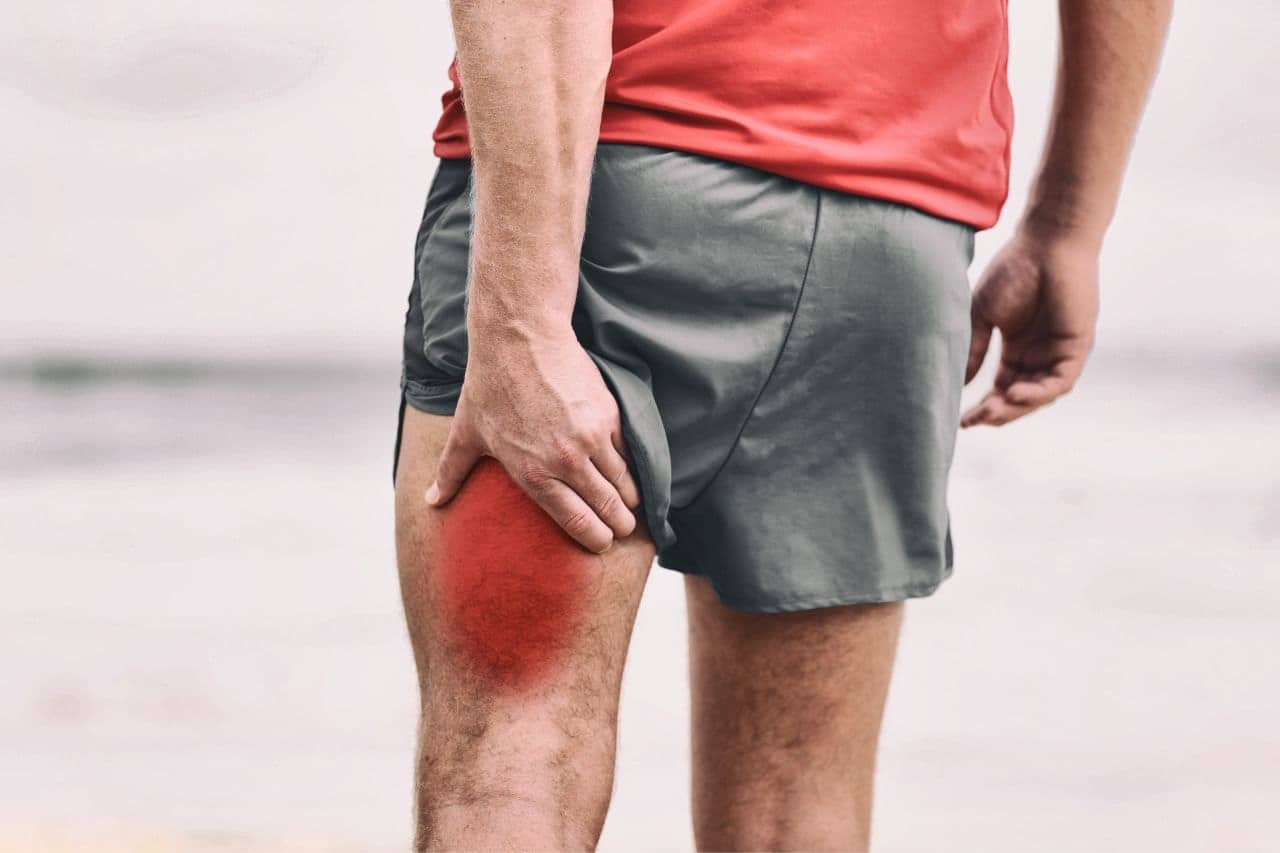
Hamstring strains are among the most common injuries faced by athletes, runners, and active individuals. The athletes involved in sports such as football, track and field, and basketball are particularly at risk for hamstring strains. These injuries affect the three major muscles located at the back of the thigh — biceps femoris, semitendinosus, and semimembranosus. These three muscles make up the hamstring group. The hamstring muscle group is essential for movements such as sprinting, jumping, climbing, and bending the knee.
When a strain occurs, the muscle fibers stretch beyond their capacity and may partially tear. In severe cases, a complete rupture can occur, often requiring surgery.
Hamstring strains are graded by severity:
- Grade I (mild strain): Minor overstretching of fibres, slight tenderness, and minimal functional loss.
- Grade II (moderate strain): Partial tear with swelling, bruising, and significant pain.
- Grade III (severe strain): Complete tear, often accompanied by a sudden “pop” and inability to bear weight.
Recovery timelines and treatment options can vary depending on the severity of the hamstring strain.
Understanding the symptoms and causes of hamstring strains is crucial for effective recovery. Symptoms typically include immediate pain, sudden sharp pain in the back of the thigh, swelling, bruising, stiffness, and weakness. Common causes include inadequate warm-up, muscle imbalance, poor flexibility, fatigue, or sudden explosive movements during sports.
Key Takeaways
- Hamstring strains are graded I–III, ranging from mild overstretching to complete tears, with a hamstring tear representing a severe injury.
- Symptoms include sharp thigh pain, swelling, bruising, and weakness.
- Risk factors include muscle imbalance, poor flexibility, and prior injuries.
- Effective treatment involves initial treatment such as the rice protocol, physiotherapy, chiropractic care, and shockwave therapy.
- Shockwave therapy works by stimulating healing, increasing blood flow, and reducing scar tissue.
- Athletes benefit from faster recovery, improved performance, and reduced risk of reinjury.
- Evidence supports shockwave therapy as an effective non-invasive treatment.
- Recovery timelines vary: 2–3 weeks (mild), 4–8 weeks (moderate), 3–6 months (severe).
- Prevention strategies include proper warm-up, strength training, flexibility, and recovery management.
- Choosing a qualified treatment provider in Vancouver ensures safe, evidence-based care.
Introduction to Hamstring Injuries
Hamstring injuries are a frequent concern for athletes and anyone who participates in regular physical activity, especially sports that involve running, jumping, or quick changes in direction. The hamstring muscles, made up of three key muscles—the biceps femoris, semitendinosus, and semimembranosus—are located at the back of the thigh and are essential for bending the knee and extending the hip. Because these muscles play such a vital role in movement, they are particularly susceptible to strain and injury.
A hamstring strain or tear can result in intense pain, muscle weakness, and a noticeable loss of mobility, making it difficult to walk, climb stairs, or continue with sports. The severity of a hamstring injury can range from mild discomfort to severe pain and significant functional limitations. Understanding how these injuries occur, recognizing the symptoms, and knowing the available treatment options are crucial steps in promoting effective recovery and preventing future injuries. By being proactive and informed, individuals can better protect their hamstring muscles and reduce the risk of recurring problems.
Understanding Muscle Strains
Muscle strains are injuries where muscle fibres overstretch or tear due to forceful contraction, overuse, or repetitive strain. They are especially common in sports involving sprinting, kicking, or rapid directional changes.
Risk factors for hamstring strains:
- Previous injury: Reinjury risk is higher without full rehabilitation.
- Quadriceps-hamstring imbalance: Strong quadriceps pulling against weaker hamstrings increases stress.
- Tight muscles: Limited flexibility restricts movement and raises injury risk.
- Poor biomechanics: Gait abnormalities or pelvic misalignment can overload the hamstrings.
- Inadequate warm-up or fatigue: Muscles are more vulnerable when not prepared for activity.
- Poor conditioning of the musculoskeletal system: An unhealthy musculoskeletal system can predispose individuals to hamstring strains.
When injured, patients often describe an immediate popping sensation in the affected leg, followed by pain and sometimes bruising. Recovery can range from 2–3 weeks for a mild strain to 3–6 months for severe tears.
Treatment Options for Hamstring Injury
Treatment depends on severity but usually involves several overlapping stages. Assessing the specific hamstring condition is crucial to tailor an effective treatment plan for each individual.
These stages often include rest, ice, compression, and elevation (RICE), followed by physical therapy and gradual return to activity. Supporting the healing process is a key goal, ensuring that tissue repair and recovery are optimized throughout rehabilitation.
1. Immediate Care (First 48–72 Hours)
- Rest: Avoid running or sports.
- Ice: Apply cold packs 15–20 minutes at a time to the affected area to reduce swelling.
- Compression: Use elastic bandages on the affected area to minimize internal bleeding.
- Elevation: Keep the affected area raised to reduce swelling.
2. Manual Therapy
Manual therapy may involve a combination of:
- Gentle soft tissue work to reduce muscle tightness.
- Mobilizations to restore joint function.
- Stretching programs to improve flexibility.
Unlike older approaches that focused only on “realignment,” today’s chiropractic and physiotherapy care take a comprehensive manual therapy approach that targets mobility, strength, and function rather than just the joints.
3. Physical Therapy
Key rehabilitation goals:
- Reduce inflammation.
- Restore the full range of motion.
- Strengthen hamstrings, glutes, and core muscles.
- Correct muscle imbalances and improve posture.
- Enhance muscle performance.
Examples of targeted rehab exercises:
- Isometric hamstring contractions (early stage).
- Bridges and hip thrusts (strengthening).
- Nordic hamstring curls (eccentric training to prevent reinjury).
4. Chiropractic Care
Chiropractic care can address biomechanical contributors such as pelvic tilt, lower back stiffness, or gait issues. This helps reduce abnormal strain on hamstrings during movement. Chiropractors in British Columbia are authorized to assess musculoskeletal injuries and apply approved modalities to support recovery.
5. Shockwave Therapy
Shockwave therapy is gaining popularity in Vancouver as an effective, non-invasive treatment that uses acoustic waves to stimulate healing in injured tissue. These acoustic waves trigger the body’s natural healing process, helping to repair damaged areas.
Some of the key benefits of shockwave therapy are that it reduces pain, improves blood circulation to the injured area, and accelerates healing.
How Shockwave Therapy Works
Shockwave therapy uses acoustic pressure waves delivered to the affected area of injured tissue. These waves penetrate the muscle, stimulating the body’s natural healing response.
Mechanisms of action include:
- Increasing blood flow to the injured site.
- Stimulating collagen production, essential for muscle repair.
- Breaking down scar tissue that restricts movement.
- Reducing chronic inflammation.
- Targeting key anatomical sites such as the ischial tuberosity, where the hamstring tendons attach and which is often involved in hamstring injuries.
Conditions treated include:
- Hamstring strains
- Hamstring tear
- Tendinopathies
- Chronic muscle injuries
What patients can expect:
- Each session lasts 15–20 minutes.
- Mild discomfort may be felt during treatment, but it is generally well tolerated.
- Improvements may be noticeable within 2–3 sessions.
- Full treatment plans typically involve 3–6 weekly sessions, depending on severity.
- Most patients experience significant pain relief and improved function after completing the recommended course of therapy.
Shockwave therapy does not require medication or surgery, making it a safe option for both athletes and the general population.
Benefits of Shockwave Therapy for Athletic Performance
Hamstring injuries can keep athletes sidelined for weeks or even months. Shockwave therapy offers advantages such as:
- Faster recovery: Tissue regeneration is accelerated, allowing earlier return to training.
- Reduced risk of recurrence: By improving tissue resilience and breaking down scar tissue.
- Improved performance: Healthy hamstrings are crucial for sprinting and agility. Addressing tight hamstrings through shockwave therapy can further enhance athletic outcomes and reduce the risk of injury.
- Versatility: Effective not only for hamstring strains but also for tendonitis, plantar fasciitis, and other sports-related conditions.
This therapy is particularly beneficial for competitive athletes in Vancouver seeking minimal downtime.
Evidence-Based Results
Clinical research supports shockwave therapy as an effective treatment for musculoskeletal injuries. Studies show:
- Reduced pain and faster recovery timelines compared to standard rehabilitation alone.
- Improved functional outcomes, such as increased flexibility and muscle strength.
- Long-lasting results when combined with physiotherapy exercises.
Sports medicine clinics across Canada and internationally endorse shockwave therapy as part of multidisciplinary injury management. Chiropractors in BC must ensure any advertised benefits are supported by acceptable evidence and not exaggerated.
Recovery and Rehabilitation
Recovering from hamstring injuries requires more than just rest—it demands a comprehensive rehabilitation strategy tailored to each individual’s needs. Shockwave therapy has emerged as a valuable tool in this process, helping to stimulate tissue regeneration and reduce pain in the affected muscle. Alongside this innovative treatment, flexibility exercises play a key role in restoring range of motion and preventing the development of tightness that can lead to future injuries.
A personalized treatment plan, developed in collaboration with a physical therapist or chiropractor, is essential for addressing the root causes of the injury, such as muscle imbalances or poor flexibility. This approach not only targets the immediate symptoms but also works to enhance muscle strength and overall function. By focusing on both healing and prevention, patients can achieve a more complete recovery, reduce the likelihood of reinjury, and return to their activities with greater confidence and resilience.
Optimizing Recovery
Optimal recovery is achieved when treatment goes beyond symptom management and addresses the root causes of injury.
Steps for successful rehabilitation:
- Comprehensive assessment — identify muscle imbalances and faulty movement patterns.
- Progressive exercise program — move from isometric to eccentric strengthening.
- Flexibility training — restore range of motion without overstretching healing tissue.
- Lifestyle modifications — such as proper warm-up, footwear, and training load management.
- Gradual return to sport — structured reintroduction under professional supervision.
A typical recovery timeline might look like this:
- Mild strain: 2–3 weeks.
- Moderate strain: 4–8 weeks.
- Severe tear: 3–6 months, sometimes requiring surgical repair.
Preventing Future Strains
Prevention is essential, as reinjury rates for hamstring strains can be high.
Strategies include:
- Strengthening exercises such as Nordic curls and single-leg Romanian deadlifts.
- Flexibility programs that balance hamstrings and hip flexors.
- Warm-up routines involving dynamic stretches before activity.
- Cool-down sessions with static stretching post-activity.
- Adequate recovery time between high-intensity workouts.
- Regular check-ups with healthcare providers to detect early warning signs.
Athletes in sprinting and football often benefit from year-round hamstring conditioning programs, while recreational athletes can focus on consistent stretching and balanced training.
Choosing a Treatment Provider in Vancouver
Not all clinics provide the same services. When choosing a treatment provider, consider:
- Experience with sports injuries: Specialists in hamstring rehab can shorten recovery.
- Range of services: Look for providers offering physiotherapy, manual therapy, and shockwave therapy in one location.
- Evidence-based practice: Ensure treatments are backed by research and permitted within BC chiropractic scope.
- Personalized approach: Avoid cookie-cutter plans; the best providers tailor treatment to your goals.
- Accessibility: Location, appointment availability, and insurance coverage can all affect recovery adherence.
Conclusion
Hamstring strains can be painful and frustrating, but with the right approach, full recovery is achievable.
- Shockwave therapy provides a modern, evidence-supported option for accelerating healing.
- Manual therapy, physical therapy, and chiropractic care address underlying biomechanical causes.
- A personalized treatment plan is key to safe recovery and long-term prevention.
For athletes and active individuals in Vancouver, combining these methods ensures not only quicker healing but also reduced reinjury risk and better performance in the long run.
Next Steps
If you think you may have a hamstring injury, getting the right care early makes all the difference. Start by booking an appointment with a licensed provider such as a physical therapist or chiropractor. At Northwest Rehab Group in Vancouver, our team can assess your condition and create a treatment plan tailored to your needs. This may involve shockwave therapy to stimulate healing, flexibility work to restore mobility, and strengthening exercises to support muscle recovery and prevent setbacks.
Rehabilitation is not just about pain relief — it’s about building resilience. By addressing contributing factors like muscle imbalances, a history of injuries, or insufficient warm-ups, you can reduce the risk of reinjury and improve long-term performance. Taking a proactive approach with professional guidance helps you stay active, healthy, and confident in your movement.
👉 Ready to start your recovery? Contact Northwest Rehab Group today and book your appointment.
References
- Askling C.M., Tengvar M., Saartok T., Thorstensson A. (2007). Acute First-Time Hamstring Strains During High-Speed Running: A Longitudinal Study Including Clinical and Magnetic Resonance Imaging Findings.The American Journal of Sports Medicine, 35(2):197–206.
- Petersen J., Holmich P. (2005). Evidence-Based Prevention of Hamstring Injuries in Sport. British Journal of Sports Medicine, 39(6):319–323.
- Sherry M.A., Best T.M. (2004). A Comparison of Two Rehabilitation Programs in the Treatment of Acute Hamstring Strains. Journal of Orthopaedic & Sports Physical Therapy, 34(3):116–125.
- Speed C. (2014). A Systematic Review of Shockwave Therapies in Soft Tissue Conditions: Focusing on the Evidence. British Journal of Sports Medicine, 48(21):1538–1542.
- HealthLink BC. (2024). Hamstring Injury: Care Instructions.
→ Publicly available patient guidance aligned with BC physiotherapy standards: https://www.healthlinkbc.ca


0 Comments