

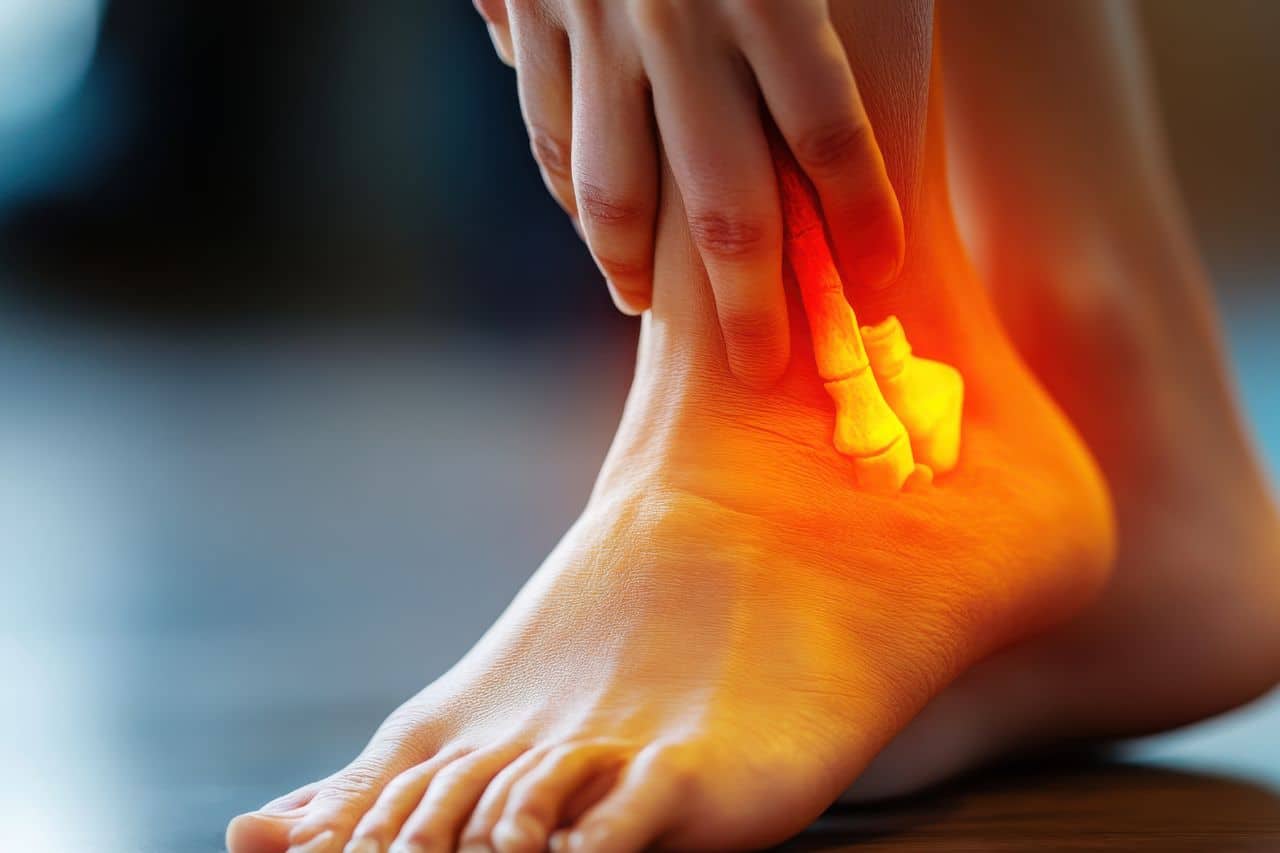
Healthy ankle function is essential for almost every movement we perform throughout the day—from walking and climbing stairs to maintaining balance on uneven surfaces. When the ankle joint moves well and the surrounding tissues work together, it supports stability, absorbs impact, and helps us stay active without discomfort. Ankle mobility and overall joint mobility play a major role in how efficiently our body moves.
The ankle is a complex joint made up of three bones—the tibia, fibula, and talus—along with multiple ligaments, tendons, and connective tissues that stabilize and guide motion. Because so many structures interact in a small space, even a minor issue can influence how the ankle feels and functions.
Common injuries such as ankle sprains, strains, and fractures can disrupt normal mobility and lead to long-lasting discomfort if not addressed early. Many people continue to experience stiffness or recurring pain long after the initial injury seems healed. A thorough assessment by a physiotherapist or chiropractor can help identify the contributing factors behind ankle pain and create a personalized treatment plan using manual therapy techniques, exercises, and strategies to support long-term recovery.
Causes of Foot and Ankle Pain
Foot and ankle pain can stem from a single incident—such as rolling the ankle on uneven ground—or from gradual strain over time. Sudden injuries like sprains, ligament strains, or tendon irritation are among the most common causes. These injuries often lead to inflammation around the joint, which can cause tenderness, swelling, and difficulty bearing weight.
Chronic or repetitive strain injuries may occur when the ankle joint is placed under continuous pressure. Poor footwear, long hours on the feet, or repetitive activities like running can create small irritations that progress into ongoing pain. Even daily habits—such as walking on hard surfaces or wearing shoes without adequate support—can contribute to discomfort over time.
In more severe cases, injuries such as fractures or high-grade sprains can affect ankle mobility and stability for months if not properly rehabilitated. Without appropriate care, these conditions may lead to altered movement patterns, increasing the likelihood of future injuries.
A detailed assessment by a trained professional helps determine the underlying cause of the pain—whether it is related to joint irritation, tendon overload, reduced mobility, or muscle imbalance—so the right treatment options can be recommended.
Understanding Ankle Pains
Ankle pain can present in many different ways depending on the severity and cause. Some injuries cause sudden, sharp pain and swelling, while chronic conditions may create ongoing stiffness, aching, or difficulty moving through the full range of motion.
The ankle joint relies on a coordinated system of bones, ligaments, and tendons to support the body during movement. When one part of this system is irritated or injured, it can affect the entire joint’s ability to function smoothly. For example, limited mobility in one direction may cause compensation in other parts of the foot or leg, eventually contributing to more widespread discomfort, including knee injuries.
Ankle stability is especially important for maintaining balance and reducing the risk of future injury. When stability is compromised—whether due to weak surrounding muscles, stretched ligaments, or reduced joint control—everyday movements may feel less secure.
A strong understanding of ankle anatomy and biomechanics allows clinicians to identify the source of pain and plan effective treatment. This includes evaluating mobility, strength, balance, gait mechanics, and surrounding structures that may influence ankle function.
Ankle Pain Relief Options
There are several evidence-based treatment options available to help reduce ankle pain and improve how the joint moves. A physiotherapist or chiropractor can develop a personalized treatment plan that may include:
Manual Therapy
Manual therapy techniques—such as soft-tissue work, joint mobilizations, stretching, or adjustments when appropriate—can help reduce stiffness, ease tension, and improve joint movement. This hands-on approach targets the specific tissues involved in the injury.
Exercise and Rehabilitation
A structured exercise program often includes strengthening, mobility drills, and balance training. These exercises support the ankle’s ability to move, absorb force, and stabilize during daily activities or sports.
Lifestyle Modifications
Simple changes such as wearing supportive footwear, modifying training volume, or adding breaks during long periods of standing can help reduce stress on the ankle joint.
Orthotics or Supportive Devices
In cases where foot mechanics contribute to discomfort, orthotics or supportive bracing may help reduce excessive strain. Some individuals benefit from devices designed to reduce friction or protect sensitive areas during movement. This is all dependent on the person and the extent of the injury.
Surgical Intervention
Surgery is rarely required, but in severe cases—such as chronic instability or fractures that do not heal properly—surgical repair may be recommended. Most people, however, respond well to conservative, non-surgical treatment approaches.
Achilles Tendinitis and Ankle Impingement
Achilles tendinitis is one of the most common sources of ankle and heel pain. It occurs when the Achilles tendon—connecting the calf muscles to the heel—becomes irritated from overuse, sudden increases in activity, or tight surrounding tissues. Symptoms may include stiffness first thing in the morning, swelling along the tendon, or discomfort during walking and running.
Ankle impingement, on the other hand, occurs when structures within the ankle become compressed during movement, often leading to sharp pain and limited mobility. This can happen at the front (anterior impingement) or back (posterior impingement) of the ankle.
Treatment for both conditions often includes:
- Resting or modifying activities that aggravate symptoms
- Using ice, compression, or elevation to help manage inflammation
- Manual therapy to improve mobility in the ankle and surrounding tissues
- Rehabilitative exercises to restore strength and control
- Gradual return-to-activity strategies
In rare or severe cases where conservative care does not provide relief, surgical intervention may be considered. However, many individuals experience improvement through a structured conservative approach.
Fallen Arches and Ankle Problems
Fallen arches—often referred to as flat feet—can significantly influence how the foot and ankle absorb force. When the arch does not provide adequate support, the weight distribution through the foot may shift, placing extra strain on the ankle joint and surrounding tissues.
This altered load can contribute to issues such as tendon strain, joint irritation, or increased susceptibility to sprains.
Treatment strategies may include:
- Orthotics or supportive inserts to improve comfort and reduce strain
- Exercises to strengthen the foot’s intrinsic muscles
- Manual therapy to address tension in the lower leg and ankle
- Education on footwear that provides better support
- Activity modifications to reduce prolonged stress on the feet
Surgical repair is typically considered only when conservative options do not relieve symptoms or when structural issues require correction.
Lifestyle Changes for Ankle Care
Long-term ankle health often depends on daily habits. A few key lifestyle adjustments can help reduce the risk of injury and support ongoing recovery:
Maintain a Healthy Body Weight
Reducing excess load on the foot and ankle can decrease stress on the joints and soft tissues.
Choose Proper Footwear
Supportive shoes help stabilize the ankle, especially during high-impact activities or long days on your feet.
Add Regular Mobility and Strength Work
Incorporating foot and ankle exercises into your routine—even a few minutes per day—can significantly improve mobility and reduce injury risk.
Avoid Uneven Ground When Possible
If you are prone to ankle injuries, being cautious on unstable surfaces can help prevent sudden rolling or twisting of the joint.
Schedule a Comprehensive Assessment
A physiotherapist or chiropractor can assess how your ankle moves, identify contributing factors behind pain, and build a plan tailored to your needs. A personalized treatment approach ensures that the strategies recommended align with your goals, your lifestyle, and your current level of mobility.
Find Effective Ankle Impingement Treatment in Vancouver
Ankle pain—whether from impingement, tendinitis, sprains, or structural issues—can interfere with your ability to stay active and comfortable. With the right assessment and a customized treatment plan that may include manual therapy, exercise, and supportive strategies, most individuals can experience meaningful improvement and regain confidence in their movement.
If you are experiencing ankle discomfort, limited motion, or symptoms that are not improving on their own, seeking professional guidance can provide clarity and direction for your recovery. A tailored approach that focuses on mobility, strength, and functional movement can help you return to the activities you enjoy with greater comfort and stability.
If you’re ready to address your ankle pain, book an appointment with our Vancouver team today. We’ll assess what’s contributing to your symptoms and help you find a treatment approach that supports your goals and day-to-day function.
References
- American Academy of Orthopaedic Surgeons.
Ankle Impingement.
https://orthoinfo.aaos.org - van Dijk CN, van Bergen CJ. (2008).
Advancements in ankle arthroscopy.
Journal of the American Academy of Orthopaedic Surgeons, 16(11), 635–646. - Fong DT, Hong Y, Chan LK, Yung PS, Chan KM. (2007).
A systematic review on ankle injury and ankle sprain in sports.
Sports Medicine, 37(1), 73–94. - Martin RL, et al. (2013).
Ankle Stability and Movement Coordination Impairments: Clinical Practice Guidelines.
Journal of Orthopaedic & Sports Physical Therapy, 43(9), A1–A40. - Gribble PA, et al. (2016).
Evidence review for the 2016 International Ankle Consortium Consensus Statement.
British Journal of Sports Medicine, 50(24), 1493–1495. - Maffulli N, Longo UG, Kadakia A, Spiezia F. (2020).
Achilles tendinopathy.
Foot and Ankle Surgery, 26(3), 240–249. - Silbernagel KG, et al. (2007).
Eccentric loading for Achilles tendinopathy.
American Journal of Sports Medicine, 35(6), 897–906. - American College of Foot and Ankle Surgeons.
Flatfoot (Fallen Arches) Patient Education Resource.
https://www.acfas.org - Doherty C, et al. (2017).
Rehabilitation of acute lateral ankle sprain.
British Journal of Sports Medicine, 51(16), 1131–1136.



0 Comments