

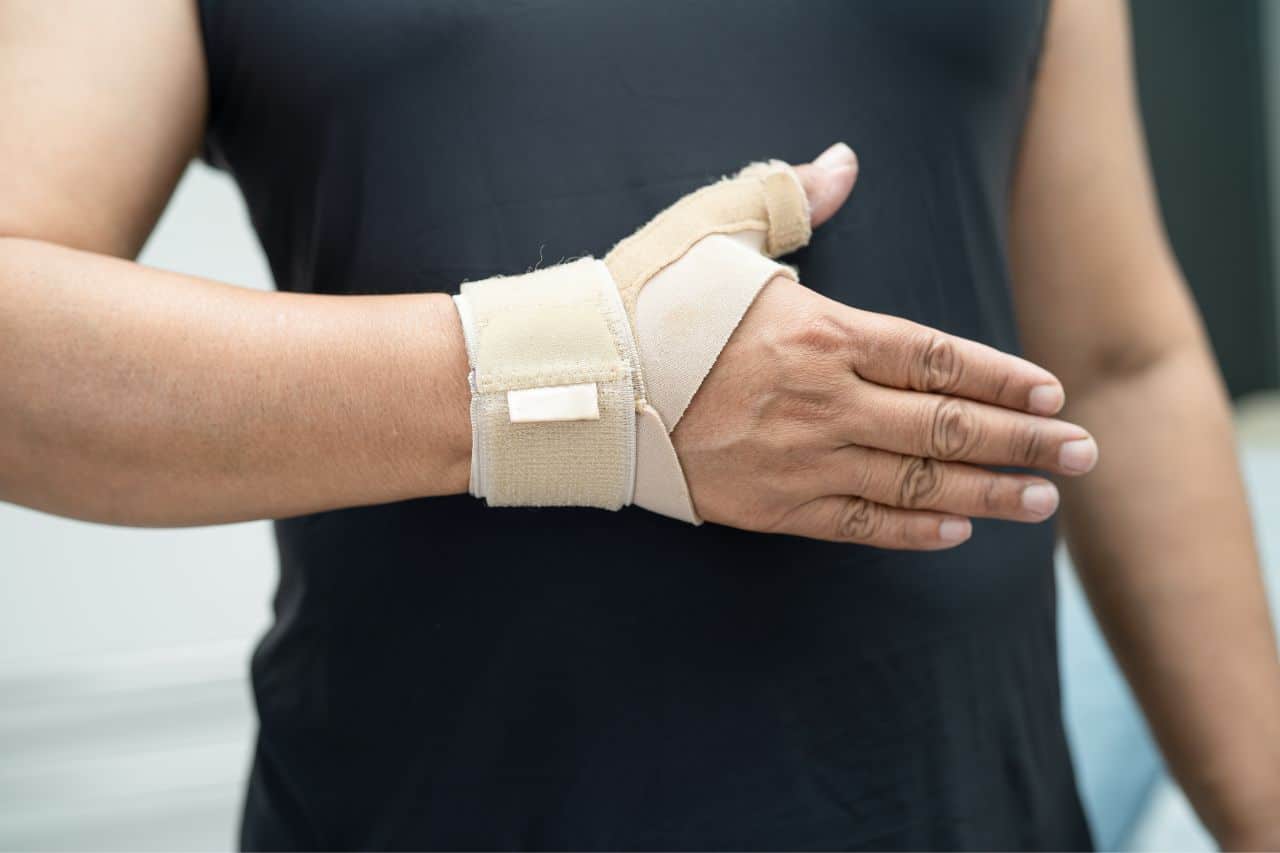
De Quervain’s tenosynovitis is a common condition that affects the wrist and thumb tendons, leading to pain, tenderness, and difficulty with hand movements. De Quervain’s tenosynovitis occurs when the tendons and their sheaths on the thumb side of the wrist become irritated and inflamed, making it painful to grip, pinch, or twist. This condition involves painful inflammation of the tendons that extend to the thumb and run along the wrist. Everyday tasks like typing, lifting, or even holding a coffee cup can become challenging. New moms holding their babies for prolonged periods of time can also cause this condition. This condition can also affect daily activities such as using a phone or handling objects, significantly impacting quality of life.
Repetitive strain and overuse are the leading causes of dequervain’s tenosynovitis, but poor ergonomics and certain medical conditions can also contribute to inflammation and pain. When dealing with this condition, it is important to avoid aggravating activities and follow proper treatment protocols. Treatment often includes manual therapy, exercise rehabilitation, and education on proper hand use, while also considering the whole body and muscle balance for comprehensive recovery. Physiotherapy is a key component of treatment, utilizing techniques such as splinting, dry needling, and targeted exercises to reduce inflammation and improve mobility. Our clinic offers a range of services, including physiotherapy, athletic therapy, massage therapy, and manual therapy, to address musculoskeletal conditions like dequervain’s tenosynovitis.
Early treatment is essential to prevent worsening symptoms and to promote lasting recovery. We encourage you to explore different treatment options for De Quervain’s tenosynovitis to find the best approach for your needs.
Key Takeaways
- De Quervain’s tenosynovitis is a common cause of wrist and thumb pain, often due to overuse or repetitive strain.
- Early diagnosis and treatment prevent chronic pain and long-term damage.
- Manual therapy and exercise rehabilitation are highly effective in reducing pain and restoring mobility.
- Splinting, stretching, and ergonomic advice play an important role in recovery.
- Identifying and addressing underlying causes—such as muscle imbalances and poor ergonomics—is essential for long-term relief.
Understanding Wrist Pain
Wrist pain can arise from multiple causes, including tendon irritation, repetitive strain injuries, arthritis, or ligament sprains. In De Quervain’s tenosynovitis specifically, the pain is usually located on the thumb side of the wrist, where the tendons controlling thumb and finger movement pass through a narrow sheath.
When these tendons become swollen, they rub against the sheath and create pain, stiffness, and sometimes a “catching” sensation during thumb movement. Patients often report difficulty performing gripping tasks, opening jars, or carrying objects, with the fingers also involved in wrist pain and rehabilitation.
Soft tissues, such as tendons and muscles, are particularly vulnerable to repetitive use injuries. Left untreated, these issues can limit mobility and lead to chronic pain. A thorough assessment by a physiotherapist helps identify the underlying problem, ensuring treatment is targeted and effective. During the physical exam, feeling for tenderness and sensation is important to assess the extent of the injury.
Manual therapy techniques, such as joint mobilization, soft tissue release, and guided stretching, can reduce pain while restoring flexibility and motion in the wrist, fingers, and joints. These interventions aim to improve range of motion and reduce pressure on the wrist and thumb. Stretching exercises may involve gently pulling the fingers or wrist to stretch the tendons, and mobility exercises often include extending the wrist and fingers. Using a splint can provide support and help reduce discomfort during recovery. Allowing the affected tissues to heal through rest and therapy is essential for optimal recovery.
Understanding De Quervain’s Tenosynovitis and Its Symptoms
De Quervain’s tenosynovitis is a common condition that specifically targets the wrist tendons along the thumb side, leading to pain, swelling, and tenderness. People with this condition often notice discomfort when performing tasks that involve gripping, pinching, or moving the thumb and wrist, such as opening jars or lifting objects. The pain typically worsens with activity and may be accompanied by swelling near the base of the thumb, making it difficult to move the thumb or wrist through their full range of motion.
Symptoms can include a sharp or aching pain, especially when forming a fist, grasping, or turning the wrist. The area may feel tender to the touch, and some people experience a catching or snapping sensation during movement. These symptoms are the result of inflamed tendons and their sheaths, which restrict smooth motion and lead to irritation.
Understanding these symptoms is the first step toward effective treatment. A physiotherapist can help identify the underlying causes—such as repetitive strain, poor ergonomics, or muscle imbalances—and recommend a tailored plan. This often includes manual therapy, stretching exercises, and strengthening exercises designed to reduce pain, restore motion, and improve the overall function of the thumb and wrist.
Causes and Risk Factors of Thumb and Wrist Conditions
De Quervain’s tenosynovitis often develops due to repetitive hand movements, especially those involving pinching, gripping, or twisting. Common risk factors include:
- Repetitive tasks – frequent typing, knitting, or assembly line work.
- Overuse – lifting heavy objects or repetitive sports such as racquet sports and golf.
- Poor ergonomics – improper hand and wrist positioning while working or using devices.
- Medical conditions – inflammatory conditions like rheumatoid arthritis can increase susceptibility.
- Muscle weakness – underdeveloped or imbalanced wrist and hand muscles place more strain on the tendons.
Addressing these factors is crucial for both treatment and prevention. Physiotherapists provide advice on workplace ergonomics, recommend braces or splints when needed, and prescribe strengthening exercises to protect the tendons.
Diagnosis and Treatment
Diagnosis usually begins with a physical exam, including palpation of the thumb side of the wrist and specific movement tests. A common diagnostic tool is the Finkelstein test, where the patient makes a fist around the thumb and moves the wrist downward. Sharp pain along the thumb side of the wrist typically confirms the condition.
Treatment often involves a combination of:
- Rest and activity modification – reducing or avoiding painful tasks.
- Splinting or bracing – using a custom or specialized splint to immobilize the thumb and wrist to allow healing.
- Manual therapy – techniques such as soft tissue massage, tendon gliding, and gentle joint mobilization to reduce pain and stiffness.
- Exercise therapy – stretching and strengthening exercises that target wrist and thumb mobility.
- Education – guidance on posture, ergonomics, and safe movement strategies.
Physiotherapy is highly effective in treating de quervain’s tenosynovitis, as it addresses both symptoms and underlying causes through professional assessment and tailored interventions.
Each treatment plan is tailored to the individual, ensuring long-term relief and prevention of recurrence.
Hand Therapy for De Quervain’s Tenosynovitis
Hand therapy is a central part of recovery. A physiotherapist or chiropractor with experience in soft tissue rehabilitation can design a program that includes:
- Gentle stretching exercises – to reduce tightness in the thumb and wrist tendons.
- Strengthening exercises – focusing on wrist stabilizers and thumb extensors to restore balanced function.
- Splinting and bracing – to protect the tendons during daily activities and reduce strain.
- Education – teaching proper wrist and thumb positioning to prevent further injury.
Patients benefit most from a comprehensive plan that combines these approaches, ensuring both short-term relief and long-term function.
Exercises and Stretches for the Thumb and Wrist
Incorporating specific exercises and stretches into your routine is essential for treating De Quervain’s tenosynovitis. Gentle stretching exercises help reduce inflammation and improve flexibility in the affected tendons, while strengthening exercises support the thumb and wrist, helping to reduce symptoms and prevent further irritation.
A physiotherapist can guide you through exercise therapy tailored to your needs. Common exercises include thumb extensions, where you gently stretch the thumb away from the palm, and wrist rotations to maintain joint mobility. Finger bends and gentle stretching of the thumb and wrist can also help maintain range of motion and reduce stiffness.
Strengthening exercises, such as squeezing a soft ball or using resistance bands, target the muscles that support the thumb and wrist. These exercises should be performed gradually and with care to avoid overloading the inflamed tendons. Consistent practice of these movements can help reduce pain, support the healing process, and restore mobility.
Creating a Rehabilitation Plan
A well-structured rehabilitation plan is key to overcoming De Quervain’s tenosynovitis and regaining full function of the hand and wrist. Working with a physiotherapist, you’ll receive a personalized plan that addresses your unique symptoms, lifestyle, and goals. This plan typically combines manual therapy to relieve pain and stiffness, exercise therapy to strengthen and stretch the affected tendons, and education on modifying daily activities to minimize stress on the wrist and thumb.
Your rehabilitation plan may also include advice on using splints or braces to support the wrist and thumb during healing, as well as strategies to avoid activities that could aggravate your symptoms. The goal is to reduce pain, restore function, and prevent future injuries by addressing both the immediate symptoms and the underlying causes of tendon irritation.
By following your rehabilitation plan and staying consistent with recommended exercises and activity modifications, you can expect to see steady improvements in pain, mobility, and overall hand function.
Preventing Future Injuries
Taking steps to prevent future injuries is an important part of managing De Quervain’s tenosynovitis and maintaining long-term wrist and thumb health. To reduce the risk of recurrence, it’s essential to modify daily routines to avoid repetitive tasks that strain the affected tendons. Incorporating regular breaks, gentle stretching, and strengthening exercises for the thumb and forearm muscles can help protect the wrist from overuse.
A physiotherapist can provide practical advice on proper techniques for lifting, carrying, and performing other daily activities to minimize stress on the wrist and thumb. Additionally, using ergonomic tools and equipment can further reduce strain and support healthy movement patterns.
By staying proactive—resting when needed, strengthening the supporting muscles, and being mindful of repetitive tasks—you can help ensure that your wrist and thumb remain strong, flexible, and pain-free, reducing the likelihood of future injuries and supporting optimal hand function.
Identifying Underlying Causes
A key element of successful treatment is identifying and addressing the root causes of De Quervain’s tenosynovitis. For many patients, poor ergonomics, repetitive strain, or muscle imbalances play a significant role.
A physiotherapist will assess movement patterns, grip strength, and posture to find contributing factors. For example, weak forearm muscles may cause the thumb tendons to work harder, leading to overuse and inflammation. Correcting these imbalances reduces the risk of recurrence.
Treatment often includes strengthening exercises for weakened muscles, manual therapy for stiffness, and ergonomic education to ensure safe, efficient movement. By addressing underlying issues, recovery is not only faster but also more sustainable.
Get Expert De Quervain’s Tenosynovitis Treatment in Vancouver
If you are experiencing thumb and wrist pain that interferes with daily life, professional care can help you recover. At Northwest Rehab Group in Vancouver, our team of physiotherapists and chiropractors provides personalized treatment plans that include manual therapy, targeted exercise programs, and education to prevent future injuries.
Don’t let wrist pain hold you back. Contact Northwest Rehab Group today to book your appointment and take the first step toward lasting relief.
References
- American Academy of Orthopaedic Surgeons (AAOS). De Quervain’s Tenosynovitis. OrthoInfo; 2023. Available from: https://orthoinfo.aaos.org
- National Institute of Arthritis and Musculoskeletal and Skin Diseases (NIAMS). Hand and Wrist Problems.Updated 2023. Available from: https://www.niams.nih.gov
- Walker-Bone K, Palmer KT, Reading I, Coggon D, Cooper C. Prevalence and risk factors for De Quervain’s tenosynovitis in a population-based study. Arthritis Rheum. 2004; 51(4): 642-648. doi:10.1002/art.20544
- Kay NR. De Quervain’s Disease: Changing Patterns and Therapeutic Implications. Hand. 2000; 5(2): 131-137.
- Van Tulder M et al. Evidence-based clinical guidelines for musculoskeletal disorders. Cochrane Database Syst Rev. 2023.
- National Institute for Health and Care Excellence (NICE). Management of Musculoskeletal Pain: Tendinopathies. NG226, 2022.
- British Columbia College of Occupational Therapists & Physiotherapists. Guidelines for Upper-Limb Overuse and Repetitive Strain Disorders. Vancouver; 2022.
- Michlovitz SL, LaStayo PC, Alzner S. Rehabilitation of the Hand and Upper Extremity. 7th ed. Elsevier; 2020.



0 Comments