

Auto accident injury treatment in Vancouver often involves more than one type of care. After a crash, people may experience neck pain, headaches, concussion symptoms, low back pain, shoulder injuries, soft-tissue pain, or difficulty returning to work and daily activity. In the Lower Mainland, ICBC Enhanced Care helps injured people access treatment early, with pre-approved care available during the first 12 weeks after a crash.
Under ICBC Enhanced Care, people injured in a crash in British Columbia can access care regardless of who was responsible for the accident. ICBC states that pre-approved treatments are available for the first 12 weeks after the crash and may include physiotherapy, chiropractic care, massage therapy, kinesiology, acupuncture, counselling, and psychology. A doctor’s referral is not required for these initial pre-approved treatments, but you will need your ICBC claim number and Personal Health Number. (icbc.com)
At Northwest Rehab Group in Mount Pleasant, Vancouver, care may include physiotherapy, chiropractic therapy, massage therapy, acupuncture, and other rehabilitation services, depending on your injury and recovery goals.
What To Do After a Car Accident in the Lower Mainland
The first priority after a car accident is safety. Move away from traffic if it is safe to do so, turn on hazard lights, and check whether anyone is injured. If there are serious injuries, chest pain, loss of consciousness, severe headache, confusion, breathing difficulty, or signs of spinal injury, call emergency services immediately.
If it is safe, photograph the accident scene, vehicle damage, road conditions, licence plates, driver information, and any visible injuries. These details may help when filing an ICBC claim. It is also useful to write down symptoms as they appear. Some auto accident injuries, such as whiplash, concussion, or low back strain, can become more noticeable hours or days later.
When you start an ICBC claim, keep a record of your claim number, treatment appointments, symptoms, work limitations, and recovery progress. This helps your care team understand how the injury is affecting your daily life.
ICBC Coverage, Enhanced Care, and Filing an ICBC Claim
ICBC Enhanced Care is designed to support recovery after a crash. During the first 12 weeks, eligible patients are automatically pre-approved for a set number of treatments. For April 1, 2026 to March 31, 2027, ICBC lists 25 physiotherapy treatments, 25 chiropractic treatments, 12 registered massage therapy treatments, and 12 acupuncture treatments within the initial pre-approved treatment window. ICBC also lists standard treatment fee amounts and minimum one-on-one treatment times for each provider type. (icbc.com)
To begin, report your crash to ICBC and obtain a claim number. Once you have the claim number, you can contact a clinic that treats ICBC patients. Many clinics offer direct billing, which means they can submit eligible treatment fees directly to ICBC. It is still wise to confirm direct billing, possible user fees, appointment length, and whether your provider is set up for ICBC billing before booking.
If your recovery takes longer than 12 weeks, your provider may recommend additional care by submitting an extension form, based on the practitioners clinical recommendations. ICBC states that if you have not returned to function after the first 12 weeks, your health care provider can recommend a benefit extension for additional treatments where needed.
Common Injuries After Auto Accidents
Common car accident injuries include whiplash, neck strain, shoulder pain, rotator cuff irritation, low back strain, disc irritation, hip pain, headaches, concussion symptoms, jaw discomfort, and general soft-tissue injuries.
Whiplash often occurs when the neck is rapidly moved forward and backward. Symptoms may include neck pain, stiffness, headaches, dizziness, upper back pain, or pain that spreads into the shoulders. Concussion symptoms can include headache, light sensitivity, nausea, fatigue, brain fog, dizziness, sleep disturbance, or difficulty concentrating.
Low back injuries may involve muscle strain, joint irritation, or disc-related pain. If you experience numbness, tingling, weakness, pain travelling into the arm or leg, loss of bladder or bowel control, worsening neurological symptoms, or severe unrelenting pain, seek urgent medical assessment.
ICBC Physiotherapy: What Treatment Looks Like
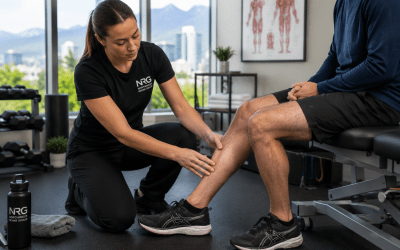
ICBC physiotherapy usually begins with a detailed assessment. Your physiotherapist will ask about the crash, your symptoms, previous injuries, work demands, activity level, and recovery goals. They may assess range of motion, strength, balance, movement tolerance, neurological signs, and functional limitations.
Treatment may include education, manual therapy, mobility work, progressive strengthening, balance exercises, pain management strategies, and a gradual return-to-activity plan. Manual therapy may help reduce pain, improve movement tolerance, and support active rehabilitation. Exercise-based treatment is usually central to long-term recovery because it helps restore strength, confidence, and function.
Session frequency depends on the injury, irritability of symptoms, and stage of recovery. Some people need more frequent care early on, followed by a gradual reduction as they improve and become more independent with exercises.
Typical ICBC Physiotherapy Session
A typical session may begin with a check-in about symptoms, sleep, work tolerance, driving, headaches, dizziness, or changes since the last appointment. The provider may reassess movement, strength, or pain response before treatment.
Common techniques may include soft-tissue therapy, joint mobilizations, guided stretching, movement retraining, and progressive exercise. Active rehab may be prescribed once symptoms are stable enough to tolerate structured movement. This could include neck strengthening, core control, shoulder strengthening, balance drills, walking progression, or work-specific conditioning.
Chiropractic Treatment and Manual Therapy After a Car Accident
Chiropractic care after a car accident may support recovery from neck, back, shoulder, and other musculoskeletal injuries. At NRG, chiropractic treatment should not be understood as spinal adjustments only. Care may include manual therapy, joint mobilizations, soft tissue techniques, stretching, exercise guidance, education, and, where clinically appropriate, adjustments.
At Northwest Rehab Group, the goal is not to “adjust the spine,” but to help reduce pain, improve movement, restore function, and support a safe return to normal activity. In British Columbia, chiropractors are expected to conduct an appropriate history and examination, obtain informed consent, keep clinical records, recommend only necessary diagnostic procedures and treatment, and refer when another opinion or service is indicated.
Imaging may be recommended when there are signs of serious injury, worsening neurological symptoms, suspected fracture, or another clinical reason. Routine imaging without clinical indication is not usually appropriate.
Massage Therapy, Acupuncture and Soft Tissue Management
Registered massage therapy may help manage muscle tension, guarding, pain, and soft-tissue sensitivity after a crash. Deep tissue and therapeutic massage can be useful when applied appropriately and adjusted to the stage of healing. Early treatment may be gentler, while later treatment may focus more on mobility, load tolerance, and return to activity.
ICBC lists 12 pre-approved registered massage therapy sessions and 12 pre-approved acupuncture sessions during the first 12 weeks after a crash, with specific fee and minimum treatment time rules for the 2026–2027 period. (icbc.com)
Enhanced Care Pathway: Coordinating Multidisciplinary Treatment
A multidisciplinary care pathway may involve physiotherapy for assessment and exercise planning, chiropractic therapy for manual therapy and musculoskeletal care, massage therapy for soft-tissue symptoms, and medical referral when red flags or complex symptoms are present.
A typical timeline might look like this:
Week 1–2: assessment, symptom control, education, gentle movement, claim documentation.
Week 3–6: progressive mobility, strengthening, manual therapy, return-to-work planning.
Week 7–12: active rehab, functional strengthening, activity-specific goals, reassessment.
After 12 weeks: provider recommendations for further care if symptoms or function have not sufficiently improved.
Clear documentation of symptoms, progress, functional limits, and treatment response can help support an ICBC claim and guide decisions about additional care.
Treatment Timelines and Prognosis for Auto Accident Injuries
Recovery timelines vary. Mild soft-tissue injuries may improve within a few weeks. Moderate whiplash, low back strain, shoulder injuries, or concussion symptoms may take several weeks to a few months. More complex injuries, persistent nerve symptoms, significant concussion symptoms, or pre-existing health factors may require longer care.
Early assessment can help identify the right treatment plan, reduce avoidable delays, and flag symptoms that need medical review. Seek urgent care for worsening weakness, severe headache, repeated vomiting, fainting, chest pain, shortness of breath, loss of bladder or bowel control, fever, major trauma, or symptoms that rapidly worsen.
Choosing Clinics in the Lower Mainland for ICBC Claims
When choosing an ICBC clinic in Vancouver or the Lower Mainland, check whether the clinic offers direct billing, whether it treats auto accident injuries regularly, and whether it provides the services you need. It can also help to choose a clinic with multiple disciplines, convenient appointment times, and experience coordinating care between providers.
Ask whether the clinic can help with claim numbers, direct billing questions, treatment planning, and progress updates. Also check whether the provider has experience with your specific issue, such as concussion symptoms, neck pain, low back pain, shoulder injuries, or return-to-work rehab.
Frequently Asked Questions About ICBC Claims and Treatment
Do I need a doctor’s referral for ICBC physiotherapy?
For the first 12 weeks after a crash, ICBC states that pre-approved treatments do not require a doctor’s referral. You need your ICBC claim number and Personal Health Number.
Will ICBC cover the full cost?
ICBC lists standard treatment fees for approved provider types. Some clinics may charge more than the ICBC-covered amount, so ask about possible user fees before booking.
Can I get more treatment after 12 weeks?
Yes, if clinically needed. Your provider can recommend additional treatment if you have not returned to function after the initial 12-week period.
When should I seek legal advice?
Consider legal advice if you are unsure about your rights, have a complex claim, have serious or permanent injuries, or feel uncertain about decisions affecting benefits, work capacity, or long-term recovery.
Next Steps After a Vancouver Auto Accident
If you have been injured in a Vancouver car accident, start by filing your ICBC claim and getting your claim number. Then book an assessment with a qualified provider. Early chiropractic care, physiotherapy, manual therapy, massage therapy, and active rehab can help you understand your injuries, manage symptoms, and begin a structured recovery plan.
To book an appointment with Northwest Rehab Group in Mount Pleasant, call +1 604-875-9779 or book online through https://nwrehab.janeapp.com


0 Comments