

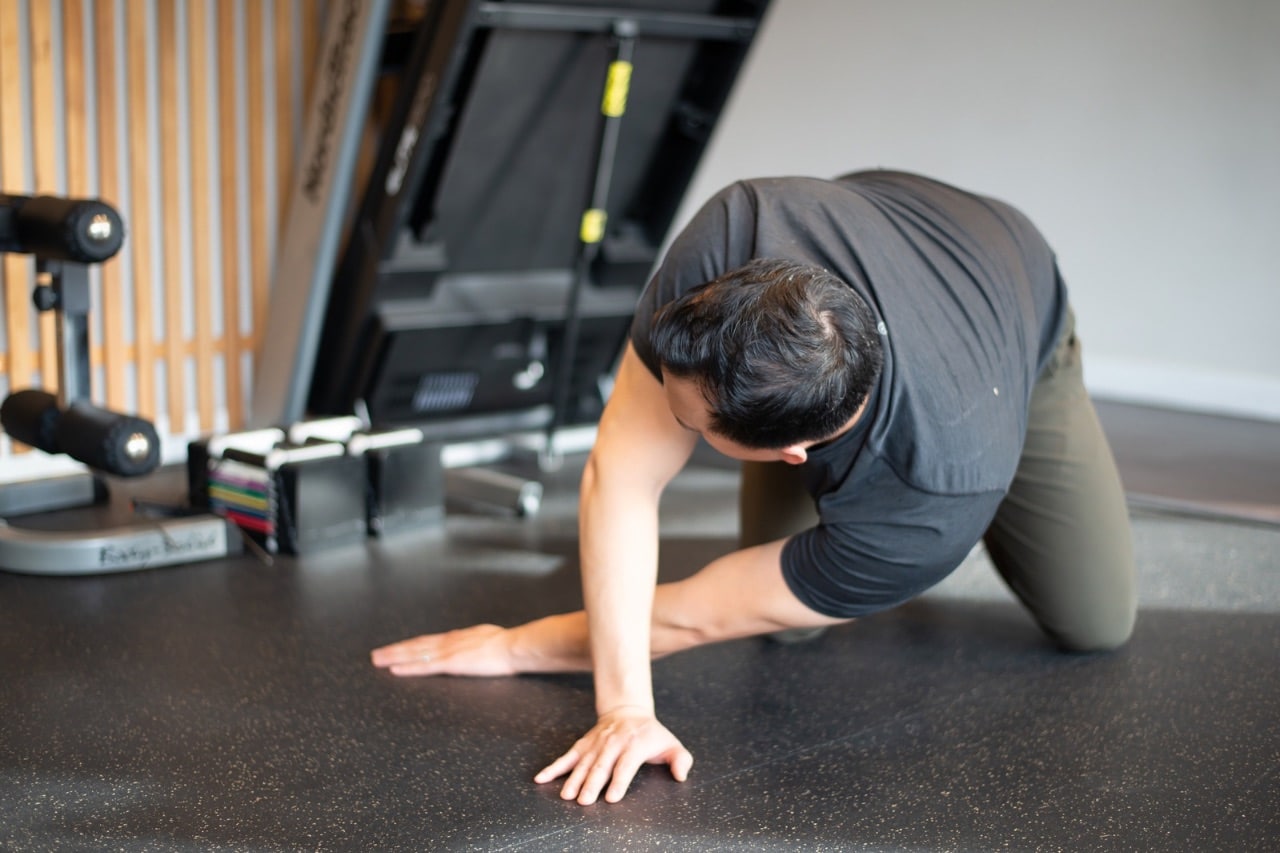
Male pelvic floor physiotherapy and pelvic floor physical therapy are specialized forms of physical therapy that focus on the muscles, ligaments, and connective tissues in the pelvic region. This type of therapy is designed to address a wide range of issues that can affect the male pelvic floor, including pelvic pain, incontinence, erectile dysfunction, and other related conditions. The goal of male pelvic floor physiotherapy is to improve the function and strength of the pelvic floor muscles, as well as to address any underlying issues that may be contributing to pelvic floor dysfunction.
Male pelvic floor physiotherapy typically involves a combination of manual therapy techniques, exercises, and education to help patients better understand and manage their pelvic floor health. This type of therapy is often recommended for men who are experiencing pelvic pain or other symptoms related to pelvic floor dysfunction, as well as those who are preparing for or recovering from prostate surgery or other pelvic procedures.
Key Takeaways
Male pelvic floor physiotherapy is a specialized form of therapy that focuses on the muscles, nerves, and connective tissues in the pelvic area of men.
It is important for men to prioritize their pelvic floor health as it can impact bladder and bowel control, sexual function, and overall quality of life.
Common issues addressed by male pelvic floor physiotherapy include urinary incontinence, erectile dysfunction, pelvic pain, and post-surgical rehabilitation.
The benefits of male pelvic floor physiotherapy include improved bladder and bowel control, enhanced sexual function, and reduced pelvic pain.
Male pelvic floor physiotherapy can improve quality of life by addressing and treating pelvic floor dysfunction, leading to better overall physical and emotional well-being.
The Importance of Male Pelvic Floor Health
The male pelvic floor plays an important role in supporting the bladder, bowel, and sexual function. When the pelvic floor muscles are weak, it can lead to a range of issues, including urinary and fecal incontinence, erectile dysfunction, and chronic pelvic pain. In addition, pelvic floor dysfunction can also contribute to other health problems, such as lower back pain and hip pain.
Maintaining a healthy pelvic floor is essential for overall well-being and quality of life. Weak pelvic floor muscles and weakened pelvic floor muscles can result in significant health issues, including poor posture and increased risk of injuries. Unfortunately, many men are unaware of the importance of their pelvic floor health and may not seek treatment for issues related to pelvic floor dysfunction. Male pelvic floor physiotherapy can help to address these issues and improve overall pelvic floor function, leading to better bladder and bowel control, improved sexual function, and reduced pelvic pain.
What is the Pelvic Floor?
The pelvic floor is a collection of muscles that stretch like a hammock from the pubic bone at the front to the coccyx (tailbone) at the back, and from one ischial tuberosity (sitting bone) to the other. These muscles play a crucial role in supporting the bladder and bowel in men, helping to control urinary and fecal continence. Additionally, the pelvic floor muscles are integral to sexual function, forming a supportive sling between the pubic bone and the tailbone. When these muscles are weak or uncomfortable, it can lead to various issues such as stress incontinence, urinary urgency, constipation, and sexual dysfunction. Understanding the anatomy and function of the pelvic floor is the first step in recognizing the importance of maintaining its health.
Signs and Symptoms of Pelvic Floor Problems in Men
Pelvic floor problems can manifest in various ways, often impacting daily life and overall well-being. Common signs and symptoms include:
Urinary frequency and urgency: A constant need to urinate or difficulty holding urine.
Pain or cramping: Discomfort in the lower pelvis, genitals, or rectum.
Difficulty starting or stopping the flow of urine: Trouble initiating or completing urination.
Weak or interrupted flow of urine: A stream that is not steady or strong.
Painful ejaculation or erectile dysfunction: Discomfort during ejaculation or difficulty achieving or maintaining an erection.
Constipation or difficulty emptying the bowel: Straining or incomplete bowel movements.
Pelvic pain or discomfort during sex: Pain that occurs during or after sexual activity.
These symptoms can be exacerbated by prolonged sitting or during bowel or bladder emptying. If you experience any of these symptoms, it’s important to consult a healthcare provider for proper diagnosis and treatment. Early intervention can significantly improve your quality of life and prevent further complications.
Causes of Pelvic Floor Dysfunction in Men
Several factors can contribute to pelvic floor muscle dysfunction in men, including:
Age: As men age, the pelvic floor muscles naturally weaken, leading to decreased bladder control and other symptoms.
Injury: Trauma to the pelvic area, such as a sports injury or fall, can damage the pelvic floor muscles and lead to dysfunction.
Surgery: Certain surgeries, such as prostate surgery, can weaken the pelvic floor muscles and lead to incontinence or other symptoms.
Obesity: Excess weight can put additional pressure on the pelvic floor muscles, leading to weakness.
Chronic coughing: Persistent coughing can strain the pelvic floor muscles, leading to dysfunction.
Underlying medical conditions: Conditions such as diabetes or neurological disorders can damage the nerves that control the pelvic floor muscles, leading to dysfunction.
Understanding these causes can help identify risk factors and take preventive measures to maintain pelvic floor health.
Common Issues Addressed by Male Pelvic Floor Physiotherapy
Male pelvic floor physiotherapy can address a wide range of issues related to pelvic floor dysfunction. Some of the most common issues treated by male pelvic floor physiotherapists and pelvic health physiotherapists include urinary incontinence, fecal incontinence, erectile dysfunction, chronic pelvic pain, and pain during sexual activity. These issues can have a significant impact on a man’s quality of life and may be caused by a variety of factors, including muscle weakness, nerve damage, or scar tissue from surgery or injury.
In addition to these common issues, male pelvic floor physiotherapy can also be beneficial for men who are preparing for or recovering from prostate surgery or other pelvic procedures. This type of therapy can help to improve pelvic floor function before surgery, as well as aid in recovery and rehabilitation after the procedure. By addressing these issues and improving pelvic floor function, male pelvic floor physiotherapy can help men regain control over their bladder and bowel function, improve sexual function, and reduce chronic pelvic pain.
Benefits of Male Pelvic Floor Physiotherapy
There are numerous benefits to male pelvic floor physiotherapy. One of the primary benefits is improved bladder and bowel control. Many men experience urinary or fecal incontinence as a result of pelvic floor dysfunction, and male pelvic floor physiotherapy can help to strengthen the pelvic floor muscles and improve control over these functions.
In addition, this type of therapy can also help to improve sexual function by addressing issues such as erectile dysfunction or pain during sexual activity through the strengthening and relaxation of pelvic muscles. Another key benefit of male pelvic floor physiotherapy is reduced chronic pelvic pain. Many men experience chronic pelvic pain as a result of pelvic floor dysfunction, and this type of therapy can help to address the underlying causes of this pain and provide relief.
By improving pelvic floor function and addressing muscle imbalances or tension, male pelvic floor physiotherapy can help to reduce or eliminate chronic pelvic pain.
How Male Pelvic Floor Physiotherapy Can Improve Quality of Life
Male pelvic floor physiotherapy can have a significant impact on a man’s quality of life. By addressing issues such as urinary incontinence, fecal incontinence, erectile dysfunction, and chronic pelvic pain, this type of therapy can help men regain control over their bladder and bowel function, improve sexual function, and reduce discomfort and pain in the pelvic region. This can lead to improved confidence and self-esteem, as well as a greater sense of overall well-being.
In addition to these physical benefits, male pelvic floor physiotherapy can also have a positive impact on mental and emotional health. Many men who experience issues related to pelvic floor dysfunction may feel embarrassed or ashamed, and these issues can have a significant impact on their mental health and relationships. By addressing these issues and improving pelvic floor function, male pelvic floor physiotherapy can help men feel more confident and comfortable in their bodies, leading to improved mental and emotional well-being.
Solutions and Techniques Used in Male Pelvic Floor Physiotherapy
Male pelvic floor physiotherapy utilizes a variety of solutions and techniques to address issues related to pelvic floor dysfunction. Tight pelvic floor muscles can lead to various dysfunctions, such as urgency and frequency of urination and constipation, due to the inability of the muscles to relax properly. One common technique used in this type of therapy is manual therapy, which involves hands-on manipulation of the muscles and connective tissues in the pelvic region. This can help to release tension, improve blood flow, and address muscle imbalances that may be contributing to pelvic floor dysfunction.
In addition to manual therapy, male pelvic floor physiotherapy also involves exercises designed to strengthen the pelvic floor muscles and improve overall function. These exercises may include kegel exercises, which involve contracting and relaxing the muscles of the pelvic floor, as well as other exercises designed to improve core strength and stability. Education is also an important component of male pelvic floor physiotherapy, as it helps patients better understand their condition and learn how to manage their symptoms.
Pelvic Floor Exercises for Men
Pelvic floor exercises, also known as Kegel exercises, are a simple yet effective way to strengthen the pelvic floor muscles. These exercises can improve bladder control, reduce urinary incontinence, and enhance sexual function. Here’s how to do them:
Identify the pelvic floor muscles: You try this by stopping the flow of urine mid-stream or tightening the muscles.
Squeeze the muscles: Hold the contraction for 5-10 seconds.
Release the muscles: Relax for 10-15 seconds.
Repeat: Perform 10-15 repetitions.
Frequency: Do the exercises 3-4 times a day.
Consistency is key to seeing improvement in symptoms. If you’re unsure about how to do the exercises or if you don’t see improvement, consult a healthcare provider or a pelvic health physiotherapist for guidance. They can provide personalized advice and ensure you’re performing the exercises correctly.
By incorporating these exercises into your daily routine, you can take proactive steps towards improving your pelvic floor health and overall well-being.
Finding a Qualified Male Pelvic Floor Physiotherapist
When seeking male pelvic floor physiotherapy, it is important to find a qualified and experienced physiotherapist who specializes in this area. A qualified male pelvic floor physiotherapist will have specific training and expertise in addressing issues related to male pelvic floor health, as well as experience working with men who are experiencing urinary incontinence, fecal incontinence, erectile dysfunction, chronic pelvic pain, or other related conditions. To find a qualified male pelvic floor physiotherapist, it is important to do thorough research and ask for recommendations from healthcare providers or other trusted sources.
It is also important to ask potential physiotherapists about their experience and training in male pelvic floor health, as well as their approach to treatment. By finding a qualified male pelvic floor physiotherapist, men can receive the specialized care they need to address issues related to their pelvic floor health and improve their overall quality of life. In conclusion, male pelvic floor physiotherapy is a specialized form of physical therapy that focuses on addressing issues related to male pelvic floor health.
This type of therapy can have a significant impact on a man’s quality of life by improving bladder and bowel control, sexual function, and reducing chronic pelvic pain. By utilizing manual therapy techniques, exercises, and education, male pelvic floor physiotherapy can help men regain control over their pelvic floor function and improve their overall well-being. It is important for men experiencing issues related to their pelvic floor health to seek out a qualified male pelvic floor physiotherapist who specializes in this area in order to receive the specialized care they need.
FAQs
What is male pelvic floor physiotherapy?
Male pelvic floor physiotherapy is a specialized form of physical therapy that focuses on the muscles, ligaments, and connective tissues in the male pelvic area. It aims to improve the function and strength of the pelvic floor muscles, which can help with a variety of issues such as urinary incontinence, erectile dysfunction, and pelvic pain.
What are the benefits of male pelvic floor physiotherapy?
Male pelvic floor physiotherapy can help improve bladder and bowel control, reduce pelvic pain, and enhance sexual function for men. It can also help with post-surgical recovery, such as after prostate surgery. Additionally, pelvic floor physiotherapy can improve overall pelvic floor muscle strength and function, leading to better overall physical performance.
What conditions can male pelvic floor physiotherapy help with?
Male pelvic floor physiotherapy can help with a range of conditions including urinary incontinence, erectile dysfunction, chronic pelvic pain, post-surgical recovery, and pelvic floor muscle weakness. Weakened pelvic floor muscles can be caused by factors such as aging, obesity, chronic coughing, and prostate surgery, and physiotherapy can help in their recovery through targeted exercises. It can also be beneficial for men with pelvic floor dysfunction related to sports injuries or other physical activities.
What are the solutions offered in male pelvic floor physiotherapy?
Solutions offered in male pelvic floor physiotherapy may include pelvic floor muscle exercises, biofeedback training, manual therapy techniques, and lifestyle modifications. The goal is to improve muscle strength, coordination, and endurance in the pelvic floor muscles, as well as to address any underlying issues contributing to pelvic floor dysfunction.


0 Comments