

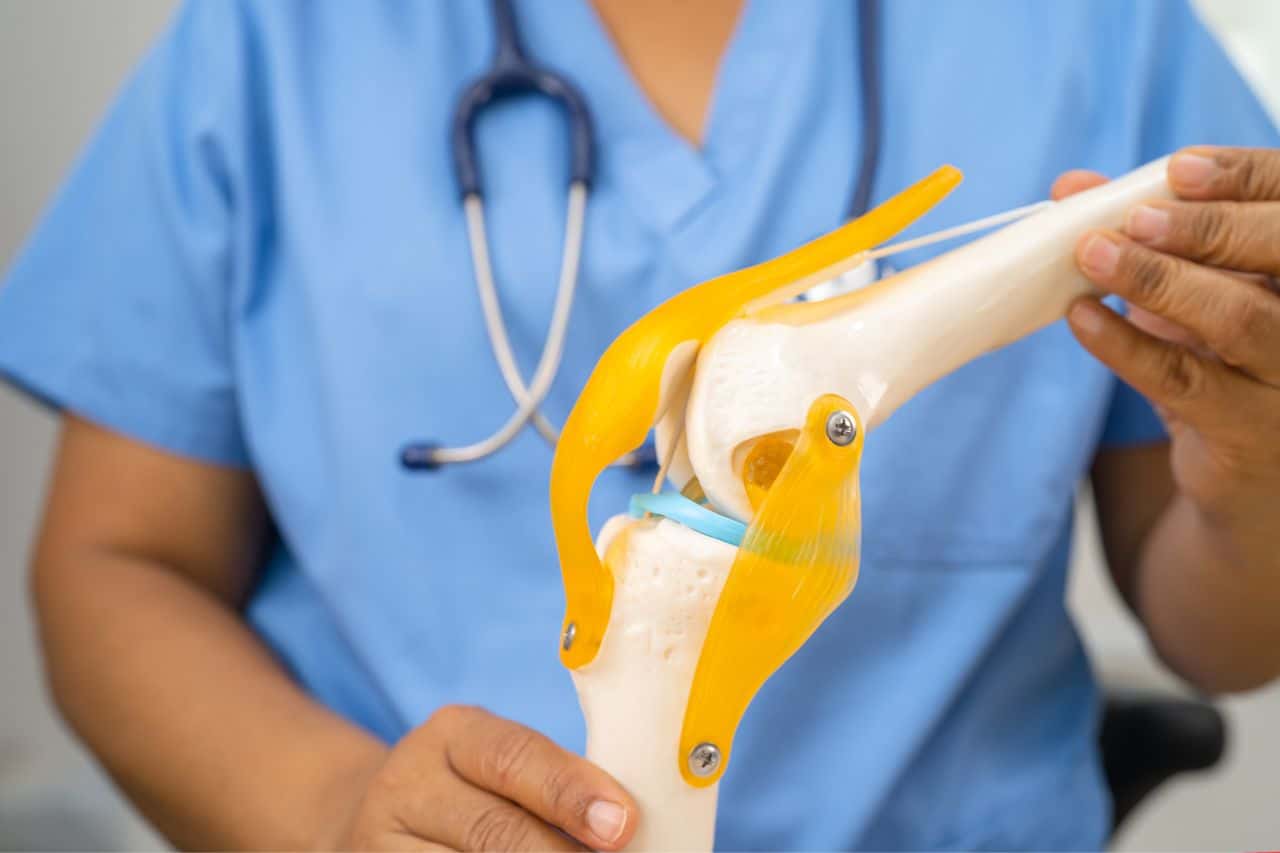
Osteoarthritis is a degenerative joint disease that affects millions of people worldwide. It develops as the protective cartilage that cushions the ends of bones gradually breaks down over time. This can lead to pain, stiffness, and swelling in the affected joints, making it difficult to perform daily activities. Treatments like hyaluronic acid or corticosteroid injections target the knee joint capsule to deliver therapeutic solutions that lubricate the joint, decrease inflammation, and improve functionality.
The primary symptoms of osteoarthritis often include joint pain, tenderness, stiffness, reduced flexibility, and a grating sensation during movement. While osteoarthritis can affect any joint in the body, it most commonly affects the knees, hips, hands, and spine. The causes of osteoarthritis are multifaceted and can include a combination of factors such as aging, genetics, joint injury or overuse, obesity, and muscle weakness.
As we age, the water content of the cartilage increases, while the protein makeup of cartilage degenerates. These changes can lead to weaker and more fragile cartilage, which is more prone to damage. Understanding the causes and symptoms of osteoarthritis is crucial for seeking timely treatment and managing the condition effectively.
Key Takeaways
Osteoarthritis is a degenerative joint disease that causes pain and stiffness
Seeking treatment for osteoarthritis is important for maintaining mobility and quality of life
Non-surgical treatment options in Vancouver include physical therapy, chiropractic care and regenerative medicine
Surgical options are available for severe osteoarthritis cases
Lifestyle changes, such as exercise and weight management, can support osteoarthritis management
Understanding Osteoarthritis
Osteoarthritis (OA) is a degenerative joint condition that affects millions of people worldwide. It is the most common form of arthritis, accounting for approximately 80% of all arthritis cases. Osteoarthritis develops as the protective cartilage at the ends of bones gradually deteriorates, resulting in joint inflammation, pain, stiffness, and restricted movement. The condition can affect any joint, but it most commonly impacts the hands, knees, hips, and spine.
As the cartilage deteriorates, bones may begin to rub against each other, causing significant pain and discomfort. This wear and tear can result from various factors, including aging, repetitive stress, joint injuries, and genetic predisposition. Understanding the nature of osteoarthritis is crucial for recognizing its symptoms and seeking appropriate treatment to manage the condition effectively.
Recognizing the Symptoms of Osteoarthritis
The main symptoms of osteoarthritis include joint pain, stiffness, and limited mobility. Pain and stiffness are common complaints, especially after periods of rest or inactivity. As the condition progresses, patients may experience significant pain, swelling, and inflammation in the affected joint. In severe cases, OA can lead to joint deformity, muscle weakness, and difficulty with daily activities.
Individuals with osteoarthritis often notice that their symptoms worsen with repetitive stress or overuse of the joint. Morning stiffness that improves with movement, a grating sensation during joint movement, and decreased range of motion are also indicative of OA. Recognizing these symptoms early on can lead to timely intervention and better management of the condition.
Diagnosing Osteoarthritis
Osteoarthritis is typically identified through a thorough assessment that includes a physical examination, a review of medical history, and diagnostic imaging. A healthcare professional will assess joint mobility, look for signs of inflammation, and check for tenderness or pain. X-rays, computed tomography (CT) scans, or magnetic resonance imaging (MRI) may be ordered to confirm the diagnosis and rule out other conditions.
During the physical examination, the doctor will evaluate the affected joint’s range of motion and may ask about the patient’s pain levels and daily activities. Imaging tests are crucial for visualizing the extent of cartilage loss and joint damage. Accurate diagnosis is essential for developing an effective treatment plan tailored to the individual’s needs.
The Importance of Seeking Treatment for Osteoarthritis
Seeking treatment for osteoarthritis is crucial for managing the condition and improving quality of life. Without proper intervention, osteoarthritis can progress and lead to significant disability, impacting mobility and overall well-being. Early diagnosis and treatment can help alleviate pain, improve joint function, and slow down the progression of the disease. Patients who experience significant improvement in their symptoms after initial treatments may be considered for advanced therapies.
Additionally, seeking treatment for osteoarthritis can help individuals maintain an active lifestyle and prevent further joint damage. It’s essential for individuals experiencing symptoms of osteoarthritis to consult with healthcare professionals who specialize in musculoskeletal conditions. These specialists can provide a comprehensive assessment, develop personalized treatment plans, and offer guidance on lifestyle modifications to manage the condition effectively.
By seeking treatment early on, individuals with osteoarthritis can take proactive steps to preserve their mobility and minimize the impact of the disease on their daily lives.
Non-Surgical Treatment Options for Knee Pain and Osteoarthritis in Vancouver
In Vancouver, non-surgical treatment options for osteoarthritis are readily available to help individuals manage their symptoms and improve joint function. These non-surgical interventions may include medications to alleviate pain and inflammation, physical therapy to strengthen muscles and improve flexibility, as well as lifestyle modifications to support joint health. Additionally, healthcare providers may recommend assistive devices such as braces or orthotics to reduce joint stress and improve mobility.
Furthermore, intra-articular injections, such as corticosteroids or hyaluronic acid, may be utilized to provide temporary relief from osteoarthritis symptoms. These injections can help reduce inflammation and lubricate the joint, offering individuals a reprieve from pain and discomfort. Non-surgical treatment options play a vital role in the comprehensive management of osteoarthritis, providing individuals with conservative yet effective strategies to enhance their quality of life.
Struggling with knee pain or osteoarthritis? Our expert team at Northwest Rehab Group offers effective, non-surgical solutions to help you move better and feel better. Schedule a consultation with our team today.
Managing Knee Pain and Osteoarthritis
Managing knee pain and osteoarthritis requires a multi-faceted approach that incorporates lifestyle modifications, physical therapy, and medical interventions. Weight management is crucial, as excess weight can put additional stress on the knee joint, exacerbating pain and inflammation. A healthy diet rich in anti-inflammatory foods, regular exercise, and stress management techniques can also help reduce pain and improve joint health.
Physical therapy is an effective treatment for osteoarthritis, as it can help improve joint mobility, strengthen surrounding muscles, and reduce pain. A physical therapist can create a personalized exercise program that addresses specific needs and goals. In some cases, medications, injections, or surgery may be necessary to manage pain and inflammation.
By understanding osteoarthritis, recognizing its symptoms, and managing knee pain and inflammation, individuals can take the first steps towards reducing their risk of developing this common condition and improving their overall quality of life.
The Role of Physical Therapy in Managing Osteoarthritis
Physical therapy is an integral component of managing osteoarthritis in Vancouver. Through targeted exercises and manual techniques, physical therapists can help individuals improve joint mobility, strengthen supporting muscles, and reduce pain associated with osteoarthritis. Physical therapy programs are tailored to each individual’s specific needs and may include a combination of stretching exercises, low-impact aerobic activities, and strength training to enhance joint stability.
Moreover, physical therapists can educate individuals about proper body mechanics and ergonomics to minimize joint stress during daily activities. By incorporating physical therapy into their treatment plan, individuals with osteoarthritis can experience improved functional capacity and better overall physical well-being. The collaborative efforts of physical therapists and patients contribute to the successful management of osteoarthritis, empowering individuals to regain control over their mobility and lead active lives.
Exploring Regenerative Medicine for Osteoarthritis Relief
Regenerative medicine offers promising avenues for osteoarthritis relief in Vancouver. Techniques such as platelet-rich plasma (PRP) therapy and stem cell therapy have gained attention for their potential to promote tissue repair and reduce inflammation in arthritic joints. PRP therapy involves injecting concentrated platelets from the patient’s blood into the affected joint, stimulating healing processes and potentially slowing down the progression of osteoarthritis.
Similarly, stem cell therapy harnesses the regenerative potential of mesenchymal stem cells to repair damaged cartilage and modulate the inflammatory response within the joint. While research on regenerative medicine for osteoarthritis is ongoing, these innovative approaches hold promise for providing long-term relief and improving joint function for individuals with this degenerative condition. Please consult your primary care physician for more information in regards to your health and regenerative medicine for osteoarthritis relief.
Surgical Options for Severe Osteoarthritis Cases
In cases where non-surgical interventions are insufficient in managing severe osteoarthritis, surgical options may be considered in Vancouver. Joint replacement surgery, such as total knee or hip replacement, can be a viable solution for individuals experiencing advanced joint degeneration and debilitating pain. During these procedures, damaged joint surfaces are replaced with artificial implants, restoring mobility and alleviating discomfort.
Additionally, surgical interventions such as arthroscopic debridement or osteotomy may be recommended to address specific joint issues and improve overall function. Orthopedic surgeons specializing in joint reconstruction and replacement play a critical role in evaluating candidates for surgical intervention and guiding them through the pre-operative and post-operative phases of treatment.
Lifestyle Changes to Support Osteoarthritis Management
In conjunction with medical interventions, adopting lifestyle changes can significantly support the management of osteoarthritis in Vancouver. Maintaining a healthy weight through proper nutrition and regular exercise can reduce stress on weight-bearing joints and minimize disease progression. Participating in low-impact exercises like swimming or cycling can enhance joint flexibility and strengthen surrounding muscles without increasing pain.
Furthermore, implementing ergonomic modifications at home and work environments can alleviate joint strain and enhance overall comfort. Modifying the home environment, such as installing grab bars and using ergonomic tools, can significantly reduce the strain on joints. Using assistive devices such as ergonomic chairs, supportive footwear, or adaptive tools can facilitate daily tasks while minimizing joint stress. By embracing a holistic approach that encompasses medical treatments, physical activity, and environmental adjustments, individuals with osteoarthritis can optimize their well-being and regain control over their mobility.
In conclusion, effective osteoarthritis treatment in Vancouver encompasses a comprehensive approach that addresses the causes and symptoms of the condition while offering diverse treatment modalities tailored to individual needs. By understanding the importance of seeking timely intervention, exploring non-surgical and regenerative options, considering surgical interventions when necessary, and embracing lifestyle modifications, individuals with osteoarthritis can restore their mobility and enhance their overall quality of life.
FAQs
What is osteoarthritis?
Osteoarthritis is a degenerative condition in which the cushioning cartilage at the ends of bones gradually deteriorates over time. Although it may appear in any joint in the body, it most frequently affects the knees, hips, hands, and spine.
What are the causes and symptoms of osteoarthritis?
The exact cause of osteoarthritis is not known, but factors such as aging, joint injury, obesity, and genetics can contribute to its development. Typical signs of osteoarthritis include joint pain, stiffness, swelling, and reduced mobility in the affected areas.
Why is it important to seek treatment for osteoarthritis?
Seeking treatment for osteoarthritis is important because it can help manage symptoms, improve joint function, and prevent the condition from worsening. Early intervention can also help delay the need for surgical intervention.
What are the non-surgical treatment options for osteoarthritis in Vancouver?
Non-surgical treatment options for osteoarthritis in Vancouver may include medication, physical therapy, and lifestyle modifications.
What is the role of physical therapy in managing osteoarthritis?
Physical therapy plays a crucial role in managing osteoarthritis by helping to improve joint flexibility, strength, and function. It can also provide education on proper body mechanics and exercises to reduce pain and improve mobility.
How can regenerative medicine help provide relief for osteoarthritis?
Regenerative medicine techniques such as PRP therapy and stem cell therapy can help promote the body’s natural healing process and reduce inflammation in the affected joints, potentially providing relief from osteoarthritis symptoms. Please consult your primary care physician if regenerative medicine is right for you.
What are the surgical options for severe osteoarthritis cases?
For severe osteoarthritis cases that do not respond to non-surgical treatments, surgical options such as joint replacement surgery or joint fusion may be recommended to relieve pain and improve joint function.
What lifestyle changes can support osteoarthritis management?
Lifestyle changes that can support osteoarthritis management include maintaining a healthy weight, engaging in regular exercise, avoiding repetitive joint stress, using assistive devices, and implementing ergonomic modifications in daily activities.


0 Comments