
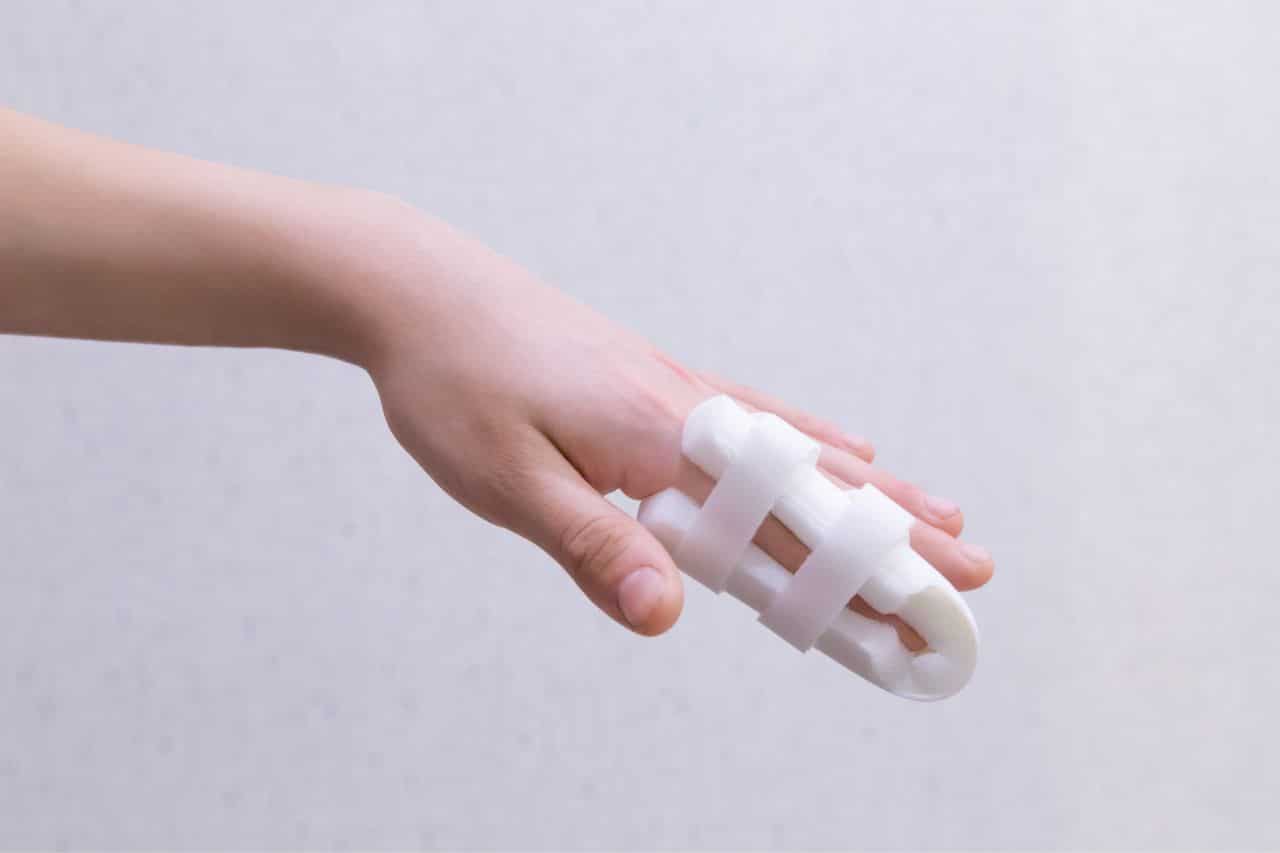
Mallet finger, often called baseball finger, is a common injury that affects the end joint of the finger—known as the distal interphalangeal joint (DIP). It occurs when the tendon that straightens the fingertip is damaged, making it difficult to extend the finger fully. Mallet finger is considered one of the acute injuries of the hand, often requiring immediate attention. In some cases, the injury can involve even a fracture where the tendon attaches to the bone, highlighting the potential seriousness of mallet finger.
At our Vancouver clinic, we provide comprehensive manual therapy and rehabilitation to support your recovery from mallet finger injuries. Each treatment plan is tailored to your condition, focusing on improving movement, reducing discomfort, and restoring normal hand function. It is important to have mallet finger treated promptly to ensure optimal recovery and prevent complications. Our goal is to help you understand the injury, recover effectively, and reduce the risk of re-injury through guided care and education.
Understanding Mallet Finger Injuries
A mallet finger injury typically results from a sudden force—such as a ball striking the fingertip—that stretches or tears the extensor tendon. In more severe cases, a small piece of bone may break where the tendon attaches. Without proper treatment, mallet finger may not heal properly, and untreated mallet finger can result in permanent deformities or loss of function.
Common symptoms include pain, swelling, and the inability to straighten the fingertip. Initial pain is often present but may subside, making it important not to ignore the injury. Without timely treatment, complications such as stiffness or deformities (like a swan-neck posture) may develop, impacting hand function.
Our physiotherapists perform a detailed assessment to determine the extent of the injury and create a plan that best supports your recovery, ensuring that healing progresses safely and effectively. It is important to seek professional treatment to help your mallet finger heal properly and to avoid long-term complications.
Causes and Risks of Mallet Finger Injuries
Mallet finger injuries, also known as baseball finger, are most often the result of sudden accidental trauma to the fingertip, such as when a ball or other object forcefully strikes the end of the finger. This impact can damage the extensor tendon at the distal interphalangeal joint, leading to the characteristic drooping appearance and difficulty straightening the finger. However, mallet finger is not limited to athletes—repetitive strain from daily activities or continuous stress on the fingers can also contribute to this common injury.
Individuals who participate in sports that involve catching, throwing, or gripping—like baseball, basketball, or football—are at a higher risk of sustaining mallet finger injuries. Similarly, those whose professions require frequent hand use, such as construction workers, musicians, or manual laborers, may be more susceptible due to repetitive strain on the extensor tendon. Understanding these risk factors is key to prevention. Employing physiotherapy treatments, including targeted strengthening exercises and manual therapy, can help protect the fingers and support a smooth recovery process if injury occurs.
Related Conditions
Mallet finger can sometimes occur alongside or lead to other hand and wrist issues. Our clinic also supports patients dealing with conditions such as tendonitis, ligament strains, ligament injury, carpal tunnel syndrome, and other repetitive strain injuries.
We emphasize education and prevention, helping you adopt healthy hand mechanics and ergonomics in daily tasks or sports activities to minimize the risk of recurrence.
Comprehensive Treatment Services
Our treatment approach combines manual therapy techniques, rehabilitative exercises, and pain-management strategies. We are dedicated to offering comprehensive treatment services for mallet finger and related conditions. Depending on your needs, care may include:
- Gentle mobilization and stretching to restore joint movement
- Strengthening exercises for the surrounding muscles and tendons
- Splinting or protective bracing to support tendon healing
- Heat or cold therapy to manage swelling and discomfort
- Education on activity modification and finger care
- Regular physiotherapy sessions to support optimal recovery and prevent long-term effects
- Prescribed exercises and exercises tailored to your specific stage of recovery, ensuring maximum effectiveness and proper healing
Various splints can be used, including aluminum foam, plastic, or custom-made thermoplastic splints provided by hand therapists.
Each tailored treatment plan is designed to encourage natural recovery, help you regain confidence in hand function, and ensure comprehensive recovery by addressing both immediate symptoms and long-term function.
Mallet Finger Treatment and the Extensor Tendon
Effective mallet finger treatment centers on restoring the health and function of the extensor tendon, which is essential for straightening the affected finger. After a thorough assessment, your physiotherapist will develop a personalized treatment plan tailored to your specific injury. Initial care often includes rest, ice, compression, and elevation (RICE) to manage immediate pain and reduce inflammation. To prevent further strain and support healing, custom splints or protective gear may be recommended to keep the finger in the optimal position. Extension splinting involves wearing a splint continuously for 6 to 8 weeks to hold the distal interphalangeal joint in extension.
As recovery progresses, physiotherapy treatments such as gentle stretching and functional exercises are introduced to rebuild muscle strength and restore range of motion. These exercises are carefully selected to avoid overloading the healing tendon while gradually improving hand function. Seeking professional treatment is crucial—not only does it ensure the finger heals correctly, but it also helps prevent complications like swan neck deformity or chronic discomfort. With a comprehensive and individualized approach, you can expect a safe and effective recovery for your mallet finger injury.
Preventing Mallet Finger Injuries
Injury prevention plays a key role in maintaining hand health. We guide patients on the use of protective gear during sports or manual activities and teach safe techniques to minimize strain on the fingers. Using protective gear like gloves and guards can help shield the fingers from direct impacts and lower injury risk. Emphasizing the importance of using proper technique during sports and manual activities is essential for preventing mallet finger injuries.
Our physiotherapists can help you identify risk factors—such as repetitive motions or poor ergonomics—and develop strategies to keep your hands strong and injury-free.
Mallet Finger Treatment Options
Treatment depends on the injury’s severity, and mallet finger injury treatment varies depending on the specifics of the injury and patient needs. In most cases, non-surgical care involving splinting and guided rehabilitation is sufficient. Severe cases, especially more severe injuries, may require longer recovery times, more intensive intervention, and consultation with a hand specialist or surgeon. Surgery for mallet finger is typically reserved for cases where non-surgical treatment has failed or is not feasible, and we collaborate closely with other healthcare providers when needed.
Throughout your recovery, our team provides ongoing assessment and adaptation of your plan, and for severe injuries, we tailor our approach to ensure the best possible outcome.
Rehabilitation Exercises
Rehabilitation is a crucial phase of recovery. Under the guidance of our physiotherapists, you’ll perform exercises that:
- Gradually restore range of motion
- Strengthen the finger and hand muscles
- Improve coordination and grip strength, as untreated mallet finger can end up affecting grip and overall finger function
Proper rehabilitation helps prevent long-term issues such as slight bending or deformities at the DIP joint, ensuring optimal recovery.
We progress exercises according to healing stages, ensuring that movement is restored without placing undue stress on the tendon. Special attention is given to restoring normal movement when the finger bends and maintaining DIP joint mobility.
Finger Treatment and Care
Proper care during recovery supports healing and prevents complications. Our clinicians provide instruction on splint maintenance, gentle stretching, and self-management techniques. We also help monitor your progress and make adjustments as needed to keep recovery on track, while also helping to prevent future injuries.
Pain Management Strategies
Managing pain and inflammation is vital for comfort and mobility. Our pain-relief approach may include:
- Therapeutic modalities such as heat or cold application
- Gentle exercises to promote circulation
- Manual therapy techniques to ease stiffness
We focus on evidence-based strategies that encourage healing and minimize long-term discomfort. Effective pain management can significantly reduce life suffering, helping patients return to their normal activities and enjoy a better quality of life.
Typical Recovery Time
Recovery from mallet finger depends on the injury’s severity and adherence to the treatment plan. Recovery time for mallet finger varies depending on how severe the injury is and how well the patient follows the recommended care. Some cases may heal in a few weeks, while more severe injuries or inconsistent treatment can result in a longer recovery period, sometimes taking several weeks to a few months. If treated promptly and correctly, most individuals recover from mallet finger without long-term effects.
Our therapists provide ongoing support and a clear recovery timeline, ensuring you understand each stage of healing. We also work with you to build habits that help maintain hand strength and flexibility after recovery.
Choosing the Right Clinic for Mallet Finger Treatment
Finding the right clinic for mallet finger treatment is an important step in ensuring a full and lasting recovery. You’ll want a clinic with experience in managing hand and finger injuries, where physiotherapists provide personalized treatment plans tailored to your needs.
At our Vancouver clinic, we focus on restoring mobility, strength, and confidence through evidence-based manual therapy and rehabilitation exercises. Each plan is designed to support both short-term healing and long-term hand health, helping you regain normal function safely and effectively.
Our team also offers ergonomic guidance and education to help you prevent future finger injuries—whether from sports, work, or everyday activities. With our comprehensive and supportive approach, you can expect care that adapts to your recovery and keeps your goals in focus.
Your Recovery Starts Here
If you’re experiencing symptoms of mallet finger or another hand injury, early treatment makes all the difference.
Contact our Vancouver clinic today to schedule an assessment and start your personalized recovery plan.


0 Comments