
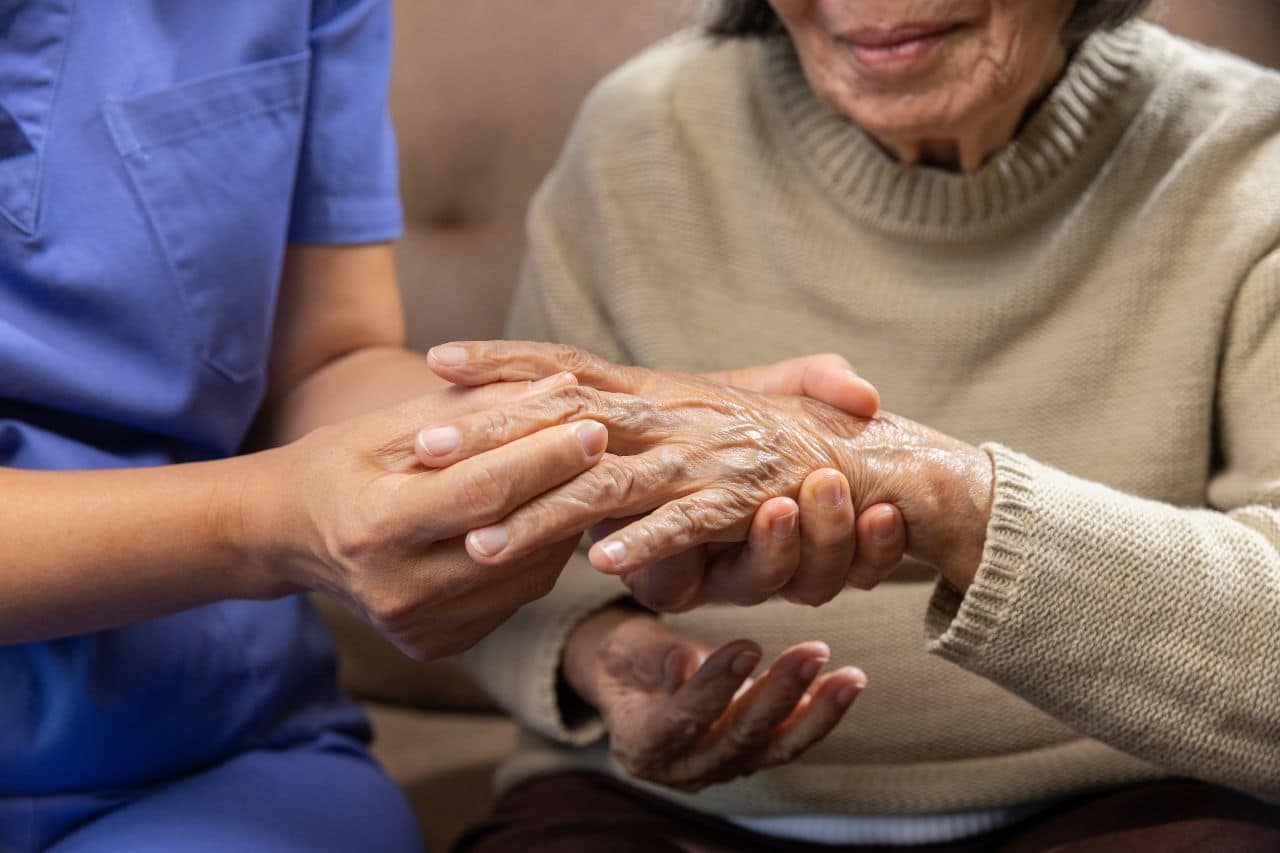
Degenerative Joint Disease (DJD), commonly known as osteoarthritis, is the most common form of arthritis, characterized by the gradual deterioration of cartilage in the joints. This degeneration leads to pain, stiffness, and reduced mobility, significantly impacting the quality of life for those affected. DJD can occur in any joint but is most prevalent in weight-bearing joints such as the knees, hips, and spine.
The condition often develops as a result of aging, repetitive stress on the joints, or previous injuries, making it a common ailment among older adults. The pathophysiology of DJD involves a complex interplay of mechanical and biological factors. As cartilage wears away, the underlying bone may become exposed, leading to inflammation and the formation of bone spurs.
This process not only causes discomfort but can also result in decreased joint function. Understanding the nature of DJD is crucial for developing effective treatment strategies that address both the symptoms and the underlying causes of the disease.
Key Takeaways
Degenerative Joint Disease is a common condition that causes joint pain and stiffness, and can be effectively managed with various treatment options.
Non-surgical treatment options such as medication, injections, and physical therapy can help manage symptoms and improve joint function.
Physical therapy plays a crucial role in managing Degenerative Joint Disease by improving strength, flexibility, and mobility.
Lifestyle changes, including weight management and regular exercise, can help reduce the impact of Degenerative Joint Disease on daily life.
Regenerative medicine and surgical options are available for severe cases of Degenerative Joint Disease, providing relief and improved joint function. Support and resources are also available for individuals living with this condition.
Non-Surgical Treatment Options for Degenerative Joint Disease
Medications for Joint Pain Management
These treatments often involve medications like nonsteroidal anti-inflammatory drugs (NSAIDs) to help relieve pain and minimize inflammation. Acetaminophen is another common choice for pain management, particularly for those who may have contraindications to NSAIDs.
Topical Treatments and Lifestyle Modifications for Joint Inflammation
Additionally, topical treatments, including creams and patches containing analgesics, can be applied directly to the affected joints for localized relief. Lifestyle modifications, such as a balanced diet and regular exercise, can help reduce joint inflammation and alleviate symptoms. In conjunction with medication, lifestyle modifications play a vital role in managing DJD symptoms. Weight management is particularly important, as excess body weight places additional stress on weight-bearing joints.
Complementary Therapies and Exercise
Engaging in low-impact exercises, such as swimming or cycling, can help maintain joint function and improve overall physical health. These exercises can also help alleviate joint symptoms, particularly in individuals suffering from degenerative joint disease. Furthermore, complementary therapies like acupuncture and massage may provide additional relief by promoting relaxation and reducing muscle tension around affected joints.
The Role of Physical Therapy in Managing Degenerative Joint Disease
Physical therapy is an essential component in the management of degenerative joint disease, offering tailored exercise programs designed to improve strength, flexibility, and range of motion. A physical therapist can assess an individual’s specific needs and develop a personalized rehabilitation plan that addresses their unique challenges. This may include exercises to strengthen the muscles surrounding the affected joints, which can help stabilize them, reduce pain during movement, and prevent further joint deterioration.
In addition to strengthening exercises, physical therapy often incorporates modalities such as mobilizations, ultrasound or electrical stimulation to alleviate pain and promote healing. Education on proper body mechanics and joint protection techniques is also a critical aspect of physical therapy. By teaching patients how to perform daily activities with minimal strain on their joints, physical therapists empower individuals to manage their condition more effectively and maintain an active lifestyle. Physical therapy can also play a significant role in preventing joint deterioration, helping to mitigate the progression of joint issues caused by injury or disease.
Lifestyle Changes for Managing Degenerative Joint Disease
Making lifestyle changes can significantly impact the management of degenerative joint disease. One of the most effective strategies is adopting a balanced diet rich in anti-inflammatory foods, which can help reduce joint inflammation. Incorporating fruits, vegetables, whole grains, and healthy fats—such as those found in fish and nuts—can help reduce inflammation and support overall joint health.
Additionally, staying hydrated is essential for maintaining joint lubrication and function. Regular physical activity is another crucial lifestyle change that can enhance joint health. Engaging in low-impact exercises not only helps maintain a healthy weight but also promotes flexibility and strength in the muscles surrounding the joints.
Activities such as yoga or tai chi can improve balance and coordination while providing gentle stretching that alleviates stiffness. By committing to these lifestyle changes, individuals with DJD can experience improved symptoms and a better quality of life.
The Benefits of Regenerative Medicine for Degenerative Joint Disease
Regenerative medicine has emerged as a promising avenue for treating degenerative joint disease, focusing on repairing or replacing damaged tissues rather than merely alleviating symptoms. Injections into the joint capsule, such as corticosteroid and hyaluronic acid, can help alleviate pain and improve functionality. Techniques such as platelet-rich plasma (PRP) therapy involve extracting a patient’s blood, processing it to concentrate growth factors, and injecting it into the affected joint. This approach aims to stimulate healing and reduce inflammation, potentially slowing the progression of DJD.
Another innovative treatment option is stem cell therapy, which utilizes stem cells to regenerate damaged cartilage and promote healing within the joint. While research is ongoing regarding the long-term efficacy of these treatments, early studies have shown encouraging results in terms of pain relief and improved function. As regenerative medicine continues to evolve, it holds the potential to transform the landscape of DJD treatment by offering more effective solutions for those suffering from this debilitating condition.
Surgical Options for Severe Degenerative Joint Disease
In cases where non-surgical treatments fail to provide adequate relief from degenerative joint disease symptoms, surgical options may be considered. One common procedure is arthroscopy, which involves using small incisions and specialized instruments to remove damaged tissue or repair cartilage within the joint. This minimally invasive approach often results in shorter recovery times compared to traditional open surgeries.
For more severe cases of DJD, knee joint replacement surgery may be necessary. Total knee or hip replacement involves removing the damaged joint surfaces and replacing them with artificial components made from metal and plastic. While this surgery can significantly improve mobility and reduce pain, it is typically reserved for individuals who have exhausted all other treatment options and are experiencing debilitating symptoms that severely impact their daily lives, without any other comorbidities that would contraindicate surgery.
Support and Resources for Individuals Living with Degenerative Joint Disease
Living with degenerative joint disease can be challenging, but numerous resources are available to support individuals in managing their condition. Patient advocacy organizations provide valuable information on treatment options, research developments, and coping strategies. These organizations often host support groups where individuals can connect with others facing similar challenges, fostering a sense of community and shared understanding.
Additionally, healthcare providers play a crucial role in guiding patients through their treatment journey. Regular check-ups with rheumatologists or orthopedic specialists (if warranted) can help monitor disease progression and adjust treatment plans as needed. Educational resources such as workshops or online webinars can also empower patients with knowledge about their condition, enabling them to make informed decisions about their health care and lifestyle choices.
Get the support you need—Northwest Rehab Group offers expert guidance and personalized treatment plans to help you manage degenerative joint disease effectively. Schedule a consultation today.
FAQs
What is degenerative joint disease?
Degenerative joint disease, also known as osteoarthritis, is a condition characterized by the breakdown of joint cartilage and underlying bone. Unlike rheumatoid arthritis, which is an inflammatory form of arthritis caused by the immune system attacking healthy tissue, osteoarthritis is primarily due to wear and tear on the joints. It is the most common type of arthritis and can affect any joint in the body, but commonly occurs in the knees, hips, hands, and spine.
What are the symptoms of degenerative joint disease?
Symptoms of degenerative joint disease (DJD) may include pain, swelling, stiffness, and decreased range of motion in the joint. In advanced cases, there may be a grating sensation or the development of bone spurs.
What are non-surgical treatment options for degenerative joint disease?
Non-surgical treatment options for degenerative joint disease may include lifestyle modifications, physical therapy, weight management, pain management medications, corticosteroid injections, and the use of assistive devices such as braces or canes.
What is the role of physical therapy in managing degenerative joint disease?
Physical therapy plays a crucial role in managing degenerative joint disease by helping to improve joint function, reduce pain, and increase strength and flexibility. Physical therapists can design personalized exercise programs to address specific joint issues and improve overall mobility.
What lifestyle changes can help in managing degenerative joint disease?
Lifestyle changes such as maintaining a healthy weight, engaging in regular low-impact exercise, avoiding repetitive joint stress, and using joint protection techniques can help in managing degenerative joint disease.
What are the surgical options for severe degenerative joint disease?
Surgical options for severe degenerative joint disease may include joint replacement surgery, arthroscopic surgery to remove damaged tissue, or joint fusion to stabilize the joint and relieve pain.
What support and resources are available for individuals living with degenerative joint disease?
Support and resources for individuals living with degenerative joint disease may include patient education programs, support groups, online forums, and access to healthcare professionals specializing in the management of degenerative joint disease.


0 Comments