


Wrist injuries can be painful and disruptive, affecting everything from work tasks to recreational activities. Among these, scaphoid fractures are particularly significant—a fracture is a break in the bone. The scaphoid, a small bone on the thumb side of the wrist, is critical for stability and movement. Unfortunately, it is also one of the most frequently fractured carpal bones, often due to falls on an outstretched hand.
Because of its unique blood supply, the scaphoid can be slow to heal, making timely diagnosis and treatment essential. The scaphoid’s unique blood supply makes healing more difficult and increases the risk of complications. Patients with scaphoid fractures may not have a visibly broken wrist, making diagnosis challenging. Alongside fractures, other wrist conditions—such as carpal tunnel syndrome or nerve injuries—can present with similar symptoms, further emphasizing the need for proper assessment of patients by a healthcare provider.
Key Takeaways
- Scaphoid fractures often occur from falls on an outstretched hand.
- Symptoms can mimic sprains, so accurate diagnosis is crucial.
- Treatment may include casting, surgical fixation, and rehabilitation exercises.
- Physiotherapy supports recovery by restoring mobility and strength.
- Preventive strategies and lifestyle adjustments reduce the risk of future wrist injuries.
Introduction to Wrist Injuries
Wrist injuries are a common concern that can disrupt daily activities and limit hand mobility, often causing significant wrist pain and discomfort. The wrist is a complex joint made up of several small bones, including the scaphoid bone, which plays a key role in maintaining wrist stability and enabling smooth movement. Among the various wrist injuries, scaphoid fractures are particularly important due to their impact on function and the challenges they present in healing.
These injuries can result from a sudden fall on an outstretched hand, leading to acute trauma, or develop gradually from overuse injuries such as carpal tunnel syndrome or tennis elbow (lateral epicondylitis). Repetitive tasks, poor posture, and inadequate rest can increase the risk of developing wrist conditions, making prevention strategies crucial for long-term joint health.
Common symptoms of wrist injuries include pain, stiffness, numbness, and reduced range of motion. If left untreated, these issues can compromise the stability of the wrist and hinder complete recovery. Recognizing the signs early and consulting a healthcare provider for a thorough diagnosis and personalized treatment plan is essential for restoring mobility and preventing further complications. By understanding the causes and treatment options for wrist injuries, individuals can take proactive steps to protect their wrists and maintain an active, pain-free lifestyle.
Causes and Symptoms
Scaphoid fractures are usually caused by:
- Falls on an outstretched hand (FOOSH injuries)
- Direct blow or trauma to the wrist
- Repetitive strain or overuse
Typical symptoms include:
- Pain and tenderness on the thumb side of the wrist
- Swelling and stiffness
- Reduced range of motion
- Possible numbness if nerves are affected; in some cases, nerve damage may also occur
One of the main concerns with scaphoid fractures is avascular necrosis, where blood supply to the bone is disrupted, complicating healing and sometimes requiring surgical intervention.
Diagnosis and Evaluation
Accurate diagnosis is critical. Scaphoid fractures can mimic sprains, making them difficult to detect. The wrist may not look broken, but a fracture can still be present, so proper imaging is essential. A healthcare provider may use:
- X-rays, though small fractures are sometimes missed
- MRI or CT scans for more detailed imaging
- Physical examination to check for tenderness in specific areas
Early detection ensures better outcomes and lowers the risk of complications.
Treatment Options
The treatment approach depends on the severity and location of the fracture:
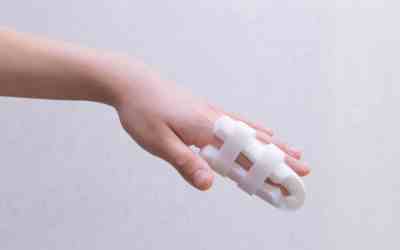
- Casting or splinting for stable fractures
- Surgical fixation (pins or screws) for displaced or complicated fractures; surgery may be required for severe or non-healing fractures to realign bone fragments or promote healing
- Rest, ice, and elevation to reduce swelling and control pain
- Physical therapy to support rehabilitation, often involving specific exercises tailored to improve mobility, reduce pain, and restore function
At Northwest Rehab Group, manual therapy may be incorporated into the recovery process, including gentle mobilization, stretching, and strengthening exercises as well as specific exercises designed to restore wrist mobility and function.
For carpal tunnel syndrome, treatments aim to relieve pressure on the median nerve to alleviate symptoms.
Rehabilitation and Recovery
Healing from a scaphoid fracture takes time—often several months. Rehabilitation is essential to regain strength, coordination, and range of motion. The goal is to help patients recover as fully as possible. A physiotherapist or chiropractor can design a tailored program that gradually restores wrist function while reducing the risk of re-injury.
Progressive exercises, guided by a professional, also improve circulation and prevent stiffness while minimizing limitations during the recovery process. Regular follow-ups are key to ensuring the bone heals properly.
Preventing Future Injuries
While accidents can’t always be avoided, you can reduce risks by:
- Using protective gear in sports and high-impact activities to protect both the wrist and fingers
- Improving wrist strength and flexibility through targeted exercises
- Maintaining good posture and ergonomics at work
- Taking breaks from repetitive tasks to reduce overuse strain
These strategies support long-term wrist health and lower the chance of repeat injuries.
Seeking Medical Attention
If you experience ongoing wrist pain, limited mobility, or numbness, it’s important to seek professional help. Delaying treatment for a scaphoid fracture can lead to complications such as non-union (the bone not healing properly) or chronic wrist instability.
A qualified healthcare provider can perform a thorough evaluation, recommend imaging when necessary, and create a personalized treatment plan.
Taking the first step by scheduling a consultation is essential for proper diagnosis and treatment, helping you begin your journey toward recovery and improved comfort.
Lifestyle Changes for Optimal Health
Beyond treatment, lifestyle factors play a role in recovery and prevention. Maintaining a healthy weight, engaging in regular exercise, and focusing on balanced nutrition help strengthen bones and soft tissues and can reduce inflammation through healthy lifestyle choices. Taking care to rest and manage repetitive strain also supports long-term wrist function.
Conclusion
Scaphoid fractures are challenging injuries due to their subtle symptoms and complex healing process. Early diagnosis, proper treatment, and structured rehabilitation are essential for restoring wrist function and avoiding long-term issues.
With the right care plan—including medical treatment, physical therapy, and healthy lifestyle practices—most individuals can return to their normal activities with full mobility and strength.
Next Steps – Northwest Rehab Group
If you’re recovering from a scaphoid wrist fracture in Vancouver, the team at Northwest Rehab Group can help guide your recovery. Our healthcare professionals provide personalized rehabilitation plans that may include manual therapy, exercise programs, and mobility strategies designed to get you back to daily activities safely and effectively.
📞 Contact Northwest Rehab Group today to schedule an appointment and start your recovery journey with expert care.
References
- British Columbia Ministry of Health. Hand and Wrist Fractures – Diagnosis and Management. BC Guidelines, Province of British Columbia.
https://www2.gov.bc.ca/gov/content/health/practitioner-professional-resources/bc-guidelines - American Academy of Orthopaedic Surgeons (AAOS). Scaphoid Fracture of the Wrist. Updated 2024.
https://orthoinfo.aaos.org/en/diseases–conditions/scaphoid-fracture-of-the-wrist - British Journal of Hand Surgery. Current Concepts in the Management of Scaphoid Fractures. Vol. 49, Issue 6, 2023.
- National Institute for Health and Care Excellence (NICE). Fractures (Non-Complex): Assessment and Management. NICE Clinical Guideline NG38.
- Physiopedia. Scaphoid Fracture Rehabilitation and Physiotherapy Management. Reviewed 2024.
https://www.physio-pedia.com/Scaphoid_Fracture - Canadian Orthopaedic Association. Scaphoid Fracture – Patient Information Sheet. 2023.
0 Comments