
Concussion Specialist Vancouver
At NW Rehab, we specialize in comprehensive concussion management, offering personalized care to support your recovery journey.
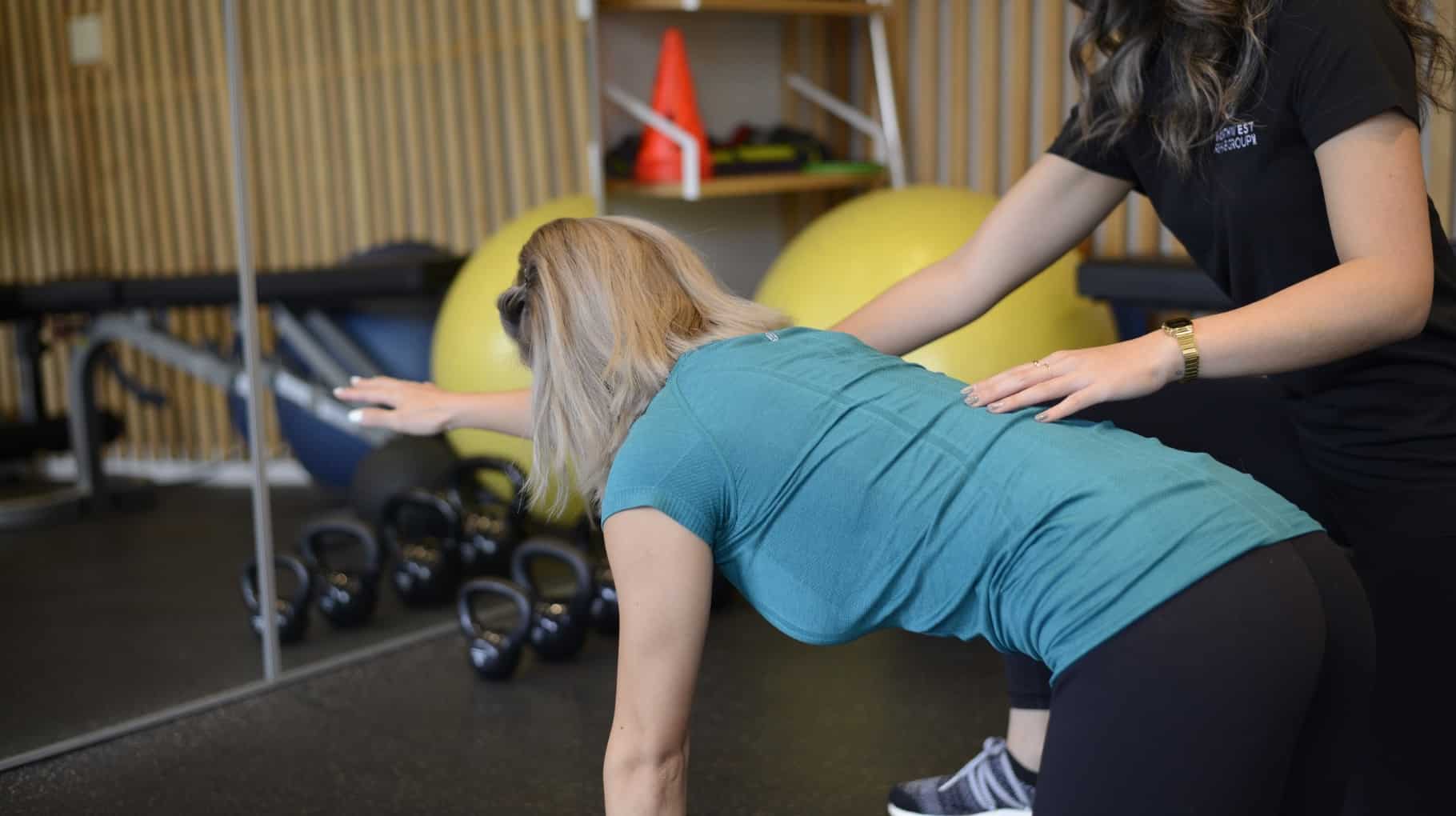
Our Approach to Concussion Rehabilitation
We begin with a thorough diagnostic evaluation to understand the extent of your injury. Based on this assessment, we develop a customized treatment plan that may include:
- Manual Therapy: Techniques aimed at reducing pain and improving mobility.
- Therapeutic Exercises: Tailored routines to strengthen and stabilize affected areas.
- Pain Management Strategies: Utilizing modalities such as ultrasound and electrical stimulation to facilitate healing.
- Education: Providing guidance on injury prevention and safe return-to-activity protocols.
Our goal is to ensure a safe and efficient return to your daily activities, with an emphasis on preventing future injuries.
What to Expect
Why Consider Concussion Rehabilitation?
Concussions can have a lasting impact on your physical, cognitive, and emotional well-being, making it challenging to resume daily activities or maintain your quality of life. Rehabilitation offers a structured and individualized approach to recovery, addressing symptoms such as persistent headaches, dizziness, or fatigue while promoting a return to normal function.
Your rehabilitation process will be guided by experienced professionals dedicated to your recovery. We focus on restoring function and enhancing performance, tailoring our approach to meet your specific needs.
F.A.Q.s
Learn about our concussion rehabilitation services, designed to address specific health conditions and improve recovery.
What are common symptoms of a concussion, and how are they treated?
Common symptoms include headaches, dizziness, confusion, and balance issues. Treatment typically involves rest, gradual return to activities, and targeted therapies to address specific symptoms.
How do chiropractic care and physiotherapy assist in concussion recovery?
Both chiropractic care and physiotherapy play crucial roles in managing and recovering from concussions. Physiotherapy focuses on exercises and therapies that enhance balance, coordination, and cognitive function, helping patients regain stability and function. Chiropractic care complements this by addressing musculoskeletal issues, such as neck pain or tension, which are often associated with head injuries. Adjustments and manual therapies can alleviate discomfort, improve posture, and enhance overall mobility, supporting a smoother recovery. Together, these approaches provide a comprehensive solution for concussion management, tailored to meet each patient’s unique needs.
What is a mild traumatic brain injury, and how does it differ from a concussion?
A mild traumatic brain injury (mTBI) is a type of brain injury often resulting from a sudden impact or jolt to the head, commonly referred to as a concussion. While all concussions are classified as mild traumatic brain injuries, the term mTBI emphasizes the injury’s physiological effects on the brain. Symptoms may include headaches, dizziness, confusion, and sensitivity to light or sound. At our concussion clinic, we specialize in providing evidence-based concussion care to support recovery, offering treatments tailored to each individual’s needs.
What are the most common concussion symptoms, and how long do they last?
Concussion symptoms vary widely and may include headaches, nausea, dizziness, balance issues, memory problems, and difficulty concentrating. For many, these symptoms resolve within a few weeks. However, some individuals experience persistent symptoms, which may last for months or longer. This condition, known as post-concussion syndrome, requires a comprehensive assessment and targeted treatment to address lingering issues and promote healthy brain function.
How does vestibular rehabilitation help with concussion symptoms?
The vestibular system, which controls balance and spatial orientation, is often affected by a concussion or mild traumatic brain injury. Vestibular rehabilitation focuses on exercises and techniques to improve balance, reduce dizziness, and address spatial disorientation. This evidence-based approach is particularly effective for individuals experiencing persistent symptoms, enabling them to return to daily activities with confidence.
What role does oculomotor retraining play in concussion recovery?
Oculomotor retraining targets issues with eye movement and coordination, which are common after a concussion. Symptoms such as blurred vision, difficulty focusing, or eye strain can interfere with daily tasks and overall recovery. By addressing these challenges through specific exercises, oculomotor retraining helps restore healthy brain function and improve quality of life.
Can chiropractic care and physiotherapy help prevent future concussions?
While neither chiropractic care nor physiotherapy can directly prevent concussions, both can play a significant role in reducing the risk of injuries that may lead to head trauma. Physiotherapy focuses on enhancing strength, flexibility, and body awareness, which can improve balance and coordination, making injuries less likely. Chiropractic care addresses musculoskeletal alignment and mobility, particularly in the neck and spine, which can reduce the likelihood of falls or impacts that might cause concussions. Together, these approaches support a healthier, more resilient body, minimizing risk factors associated with concussive injuries.
Is it important to consult a specialist for concussion management?
Yes, consulting a specialist ensures that you receive appropriate care tailored to your condition, which can significantly impact the effectiveness of your recovery.
What is post-concussion syndrome, and how is it treated?
Post-concussion syndrome refers to the persistence of symptoms such as headaches, dizziness, fatigue, and cognitive difficulties long after the initial head injury. Treatment focuses on relieving symptoms and improving overall brain function through vestibular rehabilitation, oculomotor retraining, and gradual reintroduction to physical activity. Our concussion clinic provides evidence-based concussion care, helping patients regain their quality of life through accurate diagnosis and personalized treatment plans.
Why is a comprehensive assessment crucial for concussion care?
A comprehensive assessment ensures that all aspects of a concussion or mild traumatic brain injury are thoroughly evaluated. This includes analyzing the vestibular system, cognitive function, and oculomotor abilities. Accurate diagnosis allows for tailored treatments, such as vestibular rehabilitation and physical activity programs, designed to promote recovery and restore healthy brain function. At our clinic, we provide adults with individualized care plans to optimize recovery outcomes.
Can physical activity aid recovery from a traumatic brain injury?
Engaging in carefully monitored physical activity can be an essential part of concussion treatment. Gradual reintroduction of exercise helps improve circulation, reduce symptoms, and support healthy brain function. However, it’s crucial to follow a structured plan guided by a concussion specialist to avoid overexertion or worsening symptoms. Our clinic designs individualized programs to help patients recover safely and effectively.
How long does it take for adults to recover from a concussion?
Recovery times vary based on the severity of the injury and the individual’s overall health. While many adults recover from a concussion within weeks, others may experience persistent symptoms requiring extended care. Comprehensive assessments and evidence-based treatments, such as vestibular rehabilitation and targeted therapies, ensure a tailored approach to recovery, addressing the unique needs of each patient.
If you have further questions or if our FAQs didn’t cover your concerns, please reach out to us directly. We’re here to assist you.